




Unwrapping Growth: What the Packaging-Smart SME of Tomorrow Looks Like
Packaging, long treated by Indian SMEs as an operational afterthought, is fast becoming a strategic variable that determines both competitiveness and credibility in domestic and global markets. As supply chains grow more transparent, customers more demanding and regulatory regimes more unforgiving, the packaging choices of SMEs increasingly influence margins, market access and long-term resilience. The SMEs of tomorrow will not ask how little they can spend on packaging, but how intelligently they can invest in it.
This shift reflects broader structural changes in India’s industrial landscape. Rising export ambition, formalisation of supply chains, the push for sustainability and tightening compliance norms are converging to create a new packaging frontier. For SMEs across chemicals, food, pharmaceuticals, auto components, textiles and consumer goods, this frontier is not merely about materials or machinery. It is about integrating packaging decisions with technology, finance, logistics, sustainability and risk management, a multi-dimensional view that will separate the agile from the unprepared.
Packaging as the New Language of Market Access
In today’s global value chains, packaging is no longer a static wrapper but a signal, one that communicates quality, compliance, safety, traceability and brand intent. Export-oriented SMEs, in particular, are learning that packaging often determines whether their products clear a customs desk, satisfy a distributor or withstand longer transit cycles.
For Indian SMEs seeking a foothold in markets such as the EU, US, Middle East or East Asia, packaging has become a passport. Labelling accuracy, tamper resistance, shelf-life assurance, product integrity and recyclability are now embedded into buyer audits. A misaligned packaging format can shut SMEs out of higher-value orders even when core product quality is strong.
The packaging-smart SMEs of tomorrow will treat packaging as a market-entry tool rather than a compliance burden, aligning it with destination-market standards early in the production cycle.
Technology: From Manual Processes to Intelligent Packaging Systems
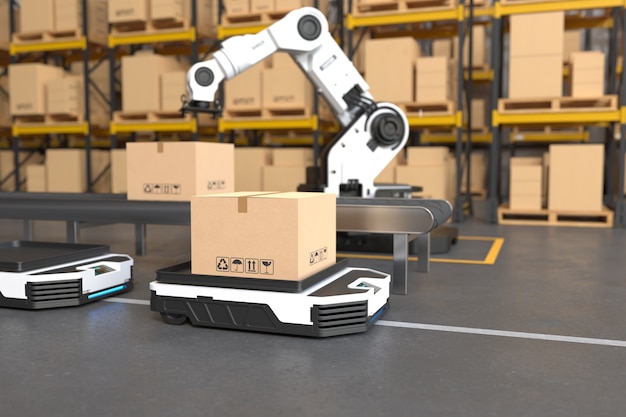
The infusion of technology into packaging is blurring traditional boundaries between production, logistics and brand. Automation in filling, sealing and palletising is reducing human error and improving consistency. Smart packaging solutions, including QR-based traceability, freshness indicators and serialized identifiers, are opening new possibilities for transparency, a prerequisite in sectors like food, pharma and specialty chemicals.
For SMEs, advanced packaging technology is no longer prohibitively expensive. Modular, pay-as-you-scale solutions are allowing smaller firms to adopt capabilities once restricted to large manufacturers. The challenge is less about affordability and more about readiness: the ability to integrate these systems into workflows, train employees and reconfigure processes for efficiency.
The SMEs of tomorrow will use technology not simply to mechanise but to optimise, reducing wastage, improving throughput and using data generated from packaging lines to guide upstream and downstream decisions.
Sustainability: From Moral Aspiration to Commercial Necessity
Environmental expectations are reshaping packaging strategies globally. India’s EPR (Extended Producer Responsibility) rules, global restrictions on certain plastics and increasing customer preference for recyclable and biodegradable formats are accelerating a transition that SMEs can no longer postpone.
But sustainability is not merely a regulatory requirement; it is a commercial advantage. Buyers now reward suppliers who demonstrate thoughtful material selection, reduced carbon footprint and responsible waste management. SMEs that adopt lightweighting, recycled content and bio-based solutions early will strengthen their cost structures and enhance their brand credibility.
The packaging-smart SME of 2030 will look markedly different from today’s norm, leaner in materials, smarter in design and more transparent in environmental reporting.
Compliance: The Expanding Perimeter of Responsibility
Regulatory oversight on packaging is widening, extending beyond labelling into safety standards, chemical composition, traceability and environmental disclosures. For SMEs, non-compliance risks are growing in both frequency and financial consequence. Exporters, particularly, face complex layers of overlapping domestic and international requirements.
Compliance, therefore, must evolve from periodic documentation into a continuous, intelligence-driven discipline. SMEs that invest in compliance management systems, digital record-keeping and audit readiness will reduce risk and accelerate market access. Those that treat compliance as an annual event will find themselves exposed to penalties, shipment delays, and reputational setbacks.
Finance & Logistics: The Economics Behind Better Packaging
Packaging decisions are not isolated technical choices; they carry financial and logistical implications that shape SME competitiveness. A packaging format that improves cube efficiency, reduces breakage or enables faster handling can translate into lower logistics costs and shorter cash-conversion cycles.
Banks and supply-chain financiers are beginning to view packaging quality as a proxy for operational reliability. SMEs with better packaging records often face fewer disputes, enjoy smoother documentation flows and demonstrate stronger receivable performance, all factors that influence creditworthiness.
The packaging-smart SME of tomorrow will analyse packaging through a financial lens, assessing return on investment not only in unit cost but in end-to-end supply-chain economics.
The Decade Ahead: Opportunity for the Prepared
The central insight for SMEs is clear: packaging is no longer peripheral. It is an investment in market access, risk mitigation, brand trust and operational efficiency. Those that integrate packaging strategy with sustainability, technology, compliance, finance and logistics will unlock new customers, reduce uncertainty and protect margins in a volatile world.
The SMEs of tomorrow will grow not by producing more, but by packaging smarter. And in that shift lies one of the most underestimated opportunities of India’s next manufacturing decade.