



India’s Expanding Trade Corridors: Strategic Opportunities for MSMEs in Jordan, Ethiopia, and Oman
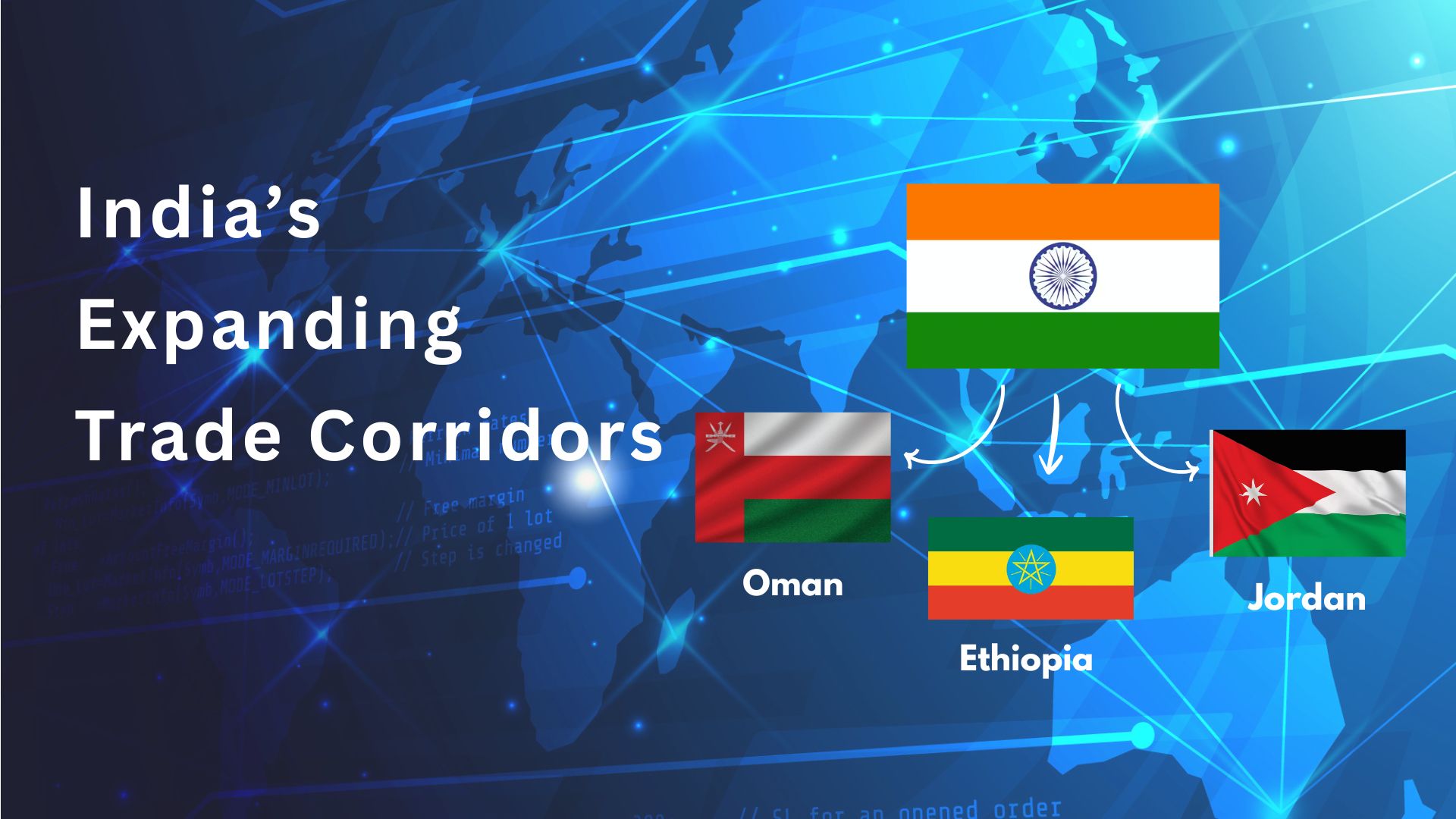
Prime Minister Narendra Modi’s three-nation visit to Jordan, Ethiopia and Oman underscores India’s strategic push to deepen economic engagement and expand trade corridors across West Asia and Africa. These visits are not merely diplomatic gestures; they represent a concerted effort to build multi-dimensional trade and investment links that can unlock tangible opportunities for Indian MSMEs, particularly in manufacturing, agriculture and technology-driven exports.
Fertilizers, Textiles and Strategic Connectivity
The bilateral engagement with Jordan marks 75 years of diplomatic relations and reflects a history of growing economic cooperation. Jordan has emerged as a critical partner for India, particularly in the agricultural sector, through its supply of fertilizers such as phosphates and potash. The Jordan India Fertilizer Company (JIFCO), a joint venture between India’s IFFCO and Jordan Phosphates Mines Company, is a flagship example, producing phosphoric acid for export to India. For MSMEs engaged in agro-processing and food production, these supplies ensure consistent access to key raw materials, thereby stabilizing input costs and supporting sustainable growth.
Beyond agriculture, Indian investments in Jordan’s garment and textile sector illustrate the potential for MSMEs to leverage regional trade advantages. With around 15 Indian-origin companies investing nearly USD 500 million in Jordan’s Qualified Industrial Zones (QIZs), these enterprises benefit from preferential access to the United States, European Union and Arab markets. This model offers a roadmap for Indian MSMEs aiming to scale operations globally by using strategic overseas bases as export hubs.
Enhanced connectivity between India and Jordan, including direct flights by Royal Jordanian and visa facilitation for Indian travellers, simplifies trade and business mobility. These logistics improvements are crucial for MSMEs that rely on frequent cross-border interactions, quick turnaround times, and efficient supply chain management. Jordan is also poised to play a significant role in the India-Middle East-Europe Economic Corridor (IMEC), acting as a land bridge that can streamline trade flows and reduce logistical bottlenecks. For Indian SMEs, this corridor represents not just a new market, but also an opportunity to integrate into a larger regional supply chain, increasing competitiveness and international visibility.
Gateway to Africa and the Global South
The Prime Minister’s visit to Ethiopia, which also serves as the headquarters of the African Union, reinforces India’s strategic vision of strengthening ties with Africa. With the African Union now a permanent member of the G20, India’s engagement signals a long-term commitment to economic collaboration with the continent. For Indian MSMEs, Ethiopia offers opportunities in sectors ranging from textiles and leather goods to pharmaceuticals and agro processing.
Addis Ababa’s position as a logistics and trade hub for East Africa makes it an attractive destination for Indian SMEs looking to expand into African markets. Investments in manufacturing and assembly units in Ethiopia can provide Indian enterprises with preferential access to regional trade agreements, tariff advantages, and growing consumer markets. Furthermore, the Indian diaspora in Ethiopia, actively engaged in trade and business, can serve as a bridge for MSMEs to navigate regulatory frameworks, local business practices and market entry strategies.
Strengthening Strategic Partnerships and Regional Trade Links
India’s engagement with Oman marks 70 years of diplomatic ties and highlights the Sultanate’s role as a strategic partner in the Gulf region. Omani ports, logistics infrastructure and free trade frameworks offer Indian MSMEs an opportunity to integrate more deeply into Middle Eastern trade networks. For SMEs operating in sectors such as food processing, chemicals, and engineering goods, Oman serves as a gateway to markets in the Gulf Cooperation Council (GCC) region and beyond.
Addressing the Indian diaspora in Oman and enhancing bilateral business relations can also help MSMEs navigate cross-border financing, supply chain challenges, and regulatory compliance. Strategic partnerships with Oman are likely to support collaborative initiatives in logistics, warehousing and distribution networks, directly benefiting SMEs by reducing lead times, optimizing costs and improving market reach.
Opportunities and Strategic Implications for MSMEs
The overarching theme of these visits Jordan, Ethiopia and Oman centres on the development and expansion of trade corridors. These corridors are not just physical infrastructure projects; they represent a framework for integrated economic engagement, combining connectivity, logistics, preferential trade access and strategic investments. For MSMEs, trade corridors enable scale, diversification and resilience. By participating in these corridors, Indian SMEs can mitigate risks associated with supply chain disruptions, diversify their export destinations and access critical raw materials and talent pools more efficiently.
Furthermore, trade corridors such as IMEC and enhanced links with Africa and the Gulf serve as conduits for technology transfer, skill development and joint ventures. MSMEs can leverage these corridors to adopt global best practices, expand into new markets, and establish production hubs closer to key demand centres. These opportunities align with India’s broader economic objectives of export diversification, strengthening regional partnerships and enhancing the competitiveness of its MSME sector on a global stage.
A Transformative Era for Indian MSMEs
Prime Minister Modi’s multi-nation visit highlights the importance of strategic economic engagement beyond traditional markets. For Indian MSMEs, Jordan, Ethiopia and Oman are not distant partners; they are gateways to larger, more integrated trade ecosystems. By aligning business strategies with emerging trade corridors, Indian SMEs can achieve sustainable growth, access global markets and strengthen India’s footprint in critical regions. As India continues to expand its trade and investment networks, MSMEs will be at the forefront of translating these strategic initiatives into tangible economic outcomes.
This journey reflects a larger narrative: Indian MSMEs are not just participants in global trade they are positioned to be key drivers of India’s economic diplomacy, innovation and regional connectivity strategy.