



India–EU Trade : Carbon, Compliance and Competitiveness – The SME Make-or-Break Corridor
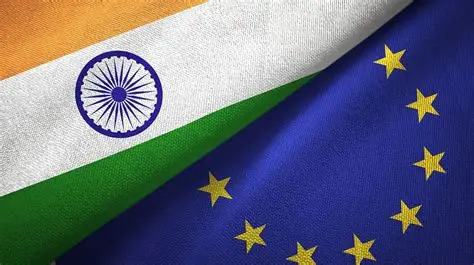
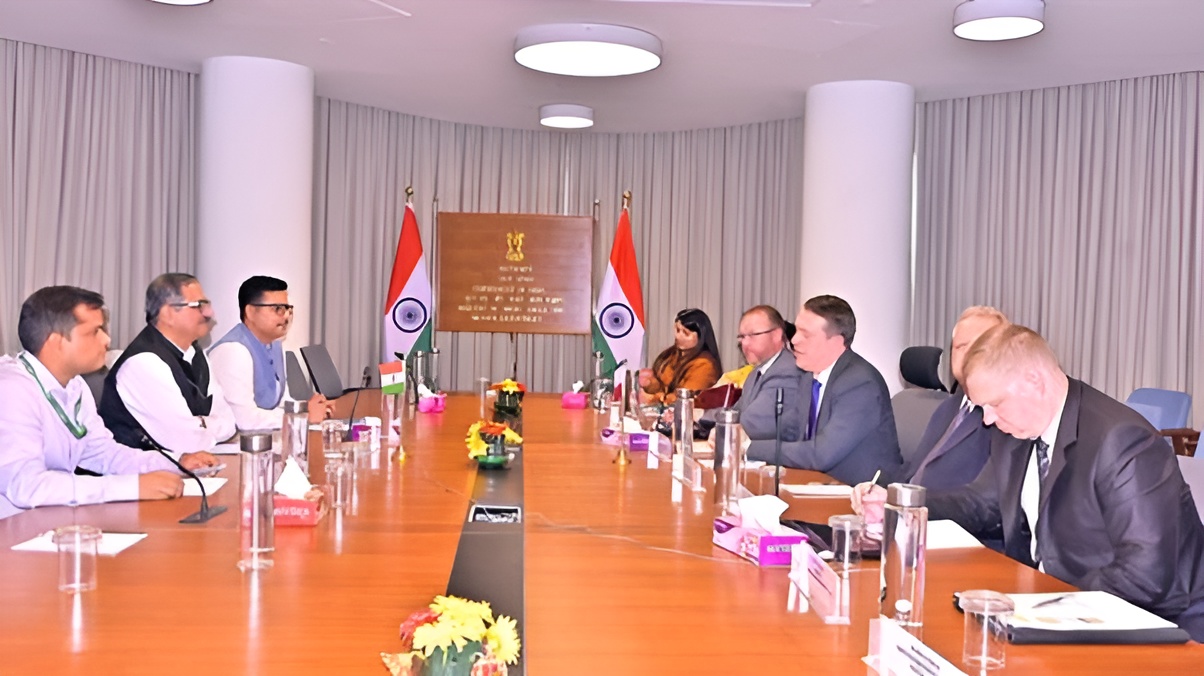
For Indian SMEs that export, directly or through larger supply chains, Europe has always been an alluring market: deep demand, premium pricing, predictable contracts. What has changed is the basis of competition. The India–EU Free Trade Agreement, now reportedly approaching a political moment of reckoning later this month, is being negotiated in an era where tariffs matter but carbon, compliance and data trail matter more. Recent reporting suggests negotiators have closed a large share of chapters and are pushing to announce a conclusion of talks around a high-level India-EU engagement in late January, even as carbon-related frictions remain one of the hardest knots to untie.
This is why the India–EU corridor is increasingly an SME “make-or-break” corridor. It is not simply a route to higher exports; it is a route that demands a new export capability: one built on traceability, verified disclosures and process discipline that many SMEs have historically postponed.
The immediate pressure point has a name: the EU’s Carbon Border Adjustment Mechanism. In the EU’s framing, CBAM is designed to prevent “carbon leakage” by applying a carbon cost to certain imported goods. In practice, it converts emissions accounting into a commercial variable. Even during the transitional period that began in October 2023, the compliance burden has been real because emissions data must be collected and reported. The European Commission’s own CBAM overview sets out the architecture and timelines, and the Commission has also communicated operational milestones as the regime moves into its next phase.
The strategic complication for India–EU FTA negotiators is that CBAM is not merely a trade negotiating chip. It is a live regulatory regime that will shape costs and buyer preferences whether or not the FTA is signed. That sequencing: regulation first, tariff relief later, reorders SME priorities. SMEs that wait for the “deal” may find that the compliance wall arrives before the tariff gains do.
For a meaningful slice of India’s SME industrial base, the exposure is indirect but potent. Many SMEs do not ship steel, aluminium or chemicals to Europe under their own name; they supply components, castings, fabricated parts, fasteners, packaging or sub-assemblies to larger exporters who do. When European buyers ask prime suppliers for verified emissions data and upstream traceability, that request travels down the chain, quickly becoming a qualification criterion rather than a “nice-to-have”. The corridor therefore becomes a competence test: can an SME document what it makes, how it makes it, what energy it consumes, and how its suppliers behave?
This is where the FTA’s promise and CBAM’s discipline collide in a useful way. In a benign scenario, tariff reductions, especially in engineering goods, auto components, textiles, leather, chemicals and processed products, could improve price competitiveness and expand market access. But the firms that capture disproportionate value will be those that can clear compliance with low friction, respond to buyer questionnaires with speed, and demonstrate credible sustainability pathways. Recent coverage of the negotiations makes clear that “carbon” is not a footnote, it is one of the core unresolved issues that could define the agreement’s commercial reality.
The SME playbook therefore needs to be reframed. The question is not, “Will the FTA reduce tariffs?” The question is, “Will my firm become EU-ready before my competitor does?” That readiness has three layers.
First is measurement discipline. SMEs need a practical system for capturing energy usage, process inputs, scrap and yield, and supplier-origin data. The aim is not perfect data on day one; the aim is auditable improvement. Second is product and process redesign. Energy efficiency, waste heat recovery, better furnaces, greener power procurement, and material substitution move from being cost-saving projects to being market-access projects. Third is contractual literacy. EU customers are increasingly embedding climate and due-diligence clauses into contracts; SMEs that treat these as boilerplate risk disputes, delayed shipments, or loss of approved-vendor status.
There is also a competitiveness upside hiding in the paperwork. Compliance, once institutionalised, becomes a differentiator. A cluster of SMEs that can jointly adopt measurement standards, share verification resources, and build common documentation can turn “EU compliance” into an export brand promise. This is where industry associations, export promotion councils and OEM ecosystems have a role: building shared compliance infrastructure so that EU readiness is not a luxury only large firms can afford.
For policymakers, the corridor’s success will depend on whether India can translate regulatory friction into capacity building. If carbon is a sticking point at the negotiating table, the pragmatic response at home is to equip exporting clusters with carbon accounting support, affordable verification pathways, technology upgrade finance, and a simple digital rail for compliance documentation. Negotiation outcomes matter. But the operational reality for SMEs will be shaped just as much by how quickly India’s export ecosystem professionalises around carbon and due diligence.
The India–EU FTA, if concluded, may be sold as a tariff and market-access story. For SMEs, it is better understood as a new operating system for exporting, where competitiveness is earned as much in factory logs and supplier files as it is in price lists. Those who treat this as bureaucracy will lose time. Those who treat it as capability will win the corridor.