




The Factory Is No Longer a Place, It’s a System
For much of India’s industrial history, the factory was defined by geography. It was a physical site where machines, labour and materials converged to produce output. Productivity was measured in units per shift, efficiency in uptime and competitiveness in cost. That definition is quietly becoming obsolete. For a growing number of manufacturers, particularly small and mid-sized enterprises, the factory is no longer a place. It is a system.
This shift is being driven by the convergence of digital twins, data layers, automation and supply-chain integration. Globally, manufacturing leaders are redesigning operations around visibility and coordination rather than physical proximity. India, with its fragmented industrial base and ambitious manufacturing targets, is beginning to absorb the same logic, albeit unevenly and under pressure.
The economic context matters. Manufacturing contributes roughly 17 per cent to India’s GDP, and the government’s stated ambition is to raise this to 25 per cent over the coming decade. At the same time, Indian industry faces structural constraints: dispersed supplier bases, variable infrastructure quality and intense global competition. In this environment, incremental efficiency gains inside the factory gate are no longer sufficient. What matters is how the factory connects to suppliers, customers, logistics providers, regulators and data systems.
Digital twins offer a useful entry point into this new definition. Once confined to large OEMs, digital replicas of production lines, equipment and processes are becoming accessible to SMEs through modular software and cloud platforms. These twins allow manufacturers to simulate throughput, test process changes and anticipate bottlenecks without disrupting live operations. For an automotive component SME in Pune or a precision engineering unit in Coimbatore, the ability to model change before executing it can compress learning cycles and reduce costly trial-and-error.
Yet digital twins alone do not redefine the factory. The transformation accelerates when they are connected to real-time data layers. Sensors embedded in machines, utilities and material flows feed continuous information into production planning and quality systems. The factory begins to behave less like a static site and more like a responsive network. Downtime is predicted rather than discovered. Quality deviations are flagged upstream rather than rejected downstream. In sectors such as pharmaceuticals, electronics and specialty chemicals, where compliance and consistency are as critical as output, this shift has direct commercial implications.
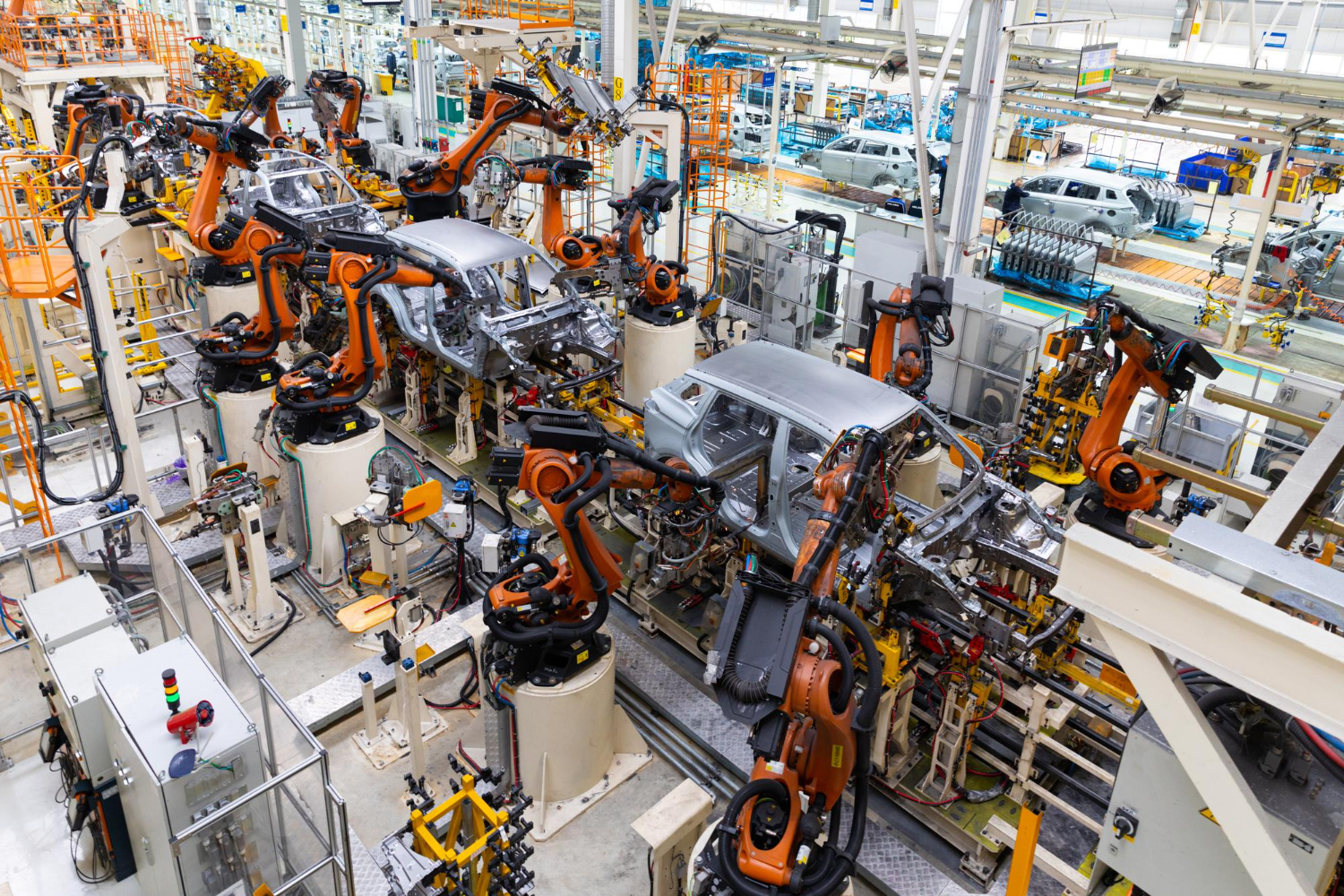
Automation reinforces this systemic view. Contrary to popular perception, automation in Indian SMEs is not about replacing labour wholesale. It is about stabilising processes. Collaborative robots, automated inspection systems and digitally orchestrated workflows reduce variability in environments where skill availability and turnover remain challenges. A garment exporter in Tirupur or an electronics assembler near Bengaluru may still rely on human skill, but automation increasingly provides the scaffolding that keeps output predictable at scale.
The most consequential change, however, lies beyond the factory floor. Supply-chain integration is dissolving the boundary between production and movement. Manufacturing schedules are now synchronised with inbound material visibility and outbound logistics constraints. For export-oriented SMEs, this integration is decisive. A factory that cannot align production with shipping windows, documentation readiness and customer delivery commitments is no longer competitive, regardless of its internal efficiency.
Indian examples underline this reality. In the electronics clusters around Bengaluru and Noida, global customers increasingly demand end-to-end visibility, from component sourcing to final dispatch. In pharmaceuticals, particularly in Hyderabad, manufacturing integrity is inseparable from cold-chain readiness and regulatory documentation. In heavy engineering, buyers expect suppliers to manage not just fabrication but packaging, testing and delivery coordination. In each case, the “factory” extends into digital systems, logistics corridors and compliance frameworks.
This systemic view also reshapes management priorities. Risk moves from the periphery to the centre. Cybersecurity, data integrity, vendor reliability and logistics resilience become production issues, not support functions. A disruption in a supplier’s system or a delay at a logistics node can now halt output as effectively as a machine failure. For SMEs, which traditionally operated with informal buffers and manual overrides, this interconnectedness demands a new level of discipline.
The opportunity is significant. SMEs that invest in system-level thinking gain leverage. They can scale without proportional increases in headcount, enter global supply chains with confidence and respond faster to demand shifts. Those that cling to a place-based view of manufacturing risk being optimised locally but uncompetitive globally.
This transition is at the heart of the Manufacturing Reimagined – Bengaluru edition in February 2026, organized by SME Communities with the support of leading industry partners. The focus is not on technology for its own sake, but on redefining what manufacturing means for Indian SMEs, how factories evolve into systems that integrate data, automation, suppliers and markets into a coherent whole.
In the next phase of India’s manufacturing journey, competitiveness will not be determined by where the factory stands, but by how intelligently it is connected. The factory of the future is not bounded by walls. It is defined by systems and the SMEs that understand this early will shape the next chapter of industrial growth.