



Union Budget 2026-27: Recasting India’s Trade and Export Engine Through MSMEs
Union Budget 2026-27 places international trade and exports firmly at the centre of India’s growth strategy, not as a peripheral outcome but as a deliberate policy objective. Anchored in macroeconomic stability, fiscal discipline and sustained public investment, the Budget signals a shift from incremental export promotion to structural competitiveness. For India’s SMEs and MSMEs, which account for a substantial share of merchandise and services exports, this recalibration is both an opportunity and a responsibility.
The Budget recognises that exports are no longer driven by cost arbitrage alone. Reliability, scale, compliance, speed and resilience now define global competitiveness. Accordingly, Budget 2026-27 advances a multi-layered reform agenda spanning manufacturing depth, services exports, logistics modernisation, SEZ reform and MSME finance.
Manufacturing as the Export Foundation
A defining feature of this Budget is its sharp focus on domestic manufacturing in strategic and labour-intensive sectors. Flagship initiatives such as Biopharma SHAKTI, India Semiconductor Mission (ISM) 2.0, the expanded Electronics Components Manufacturing Scheme (ECMS), Rare Earth Corridors, Chemical Parks, and container manufacturing are not isolated schemes. Together, they aim to reduce import dependence while embedding Indian SMEs deeper into global value chains.
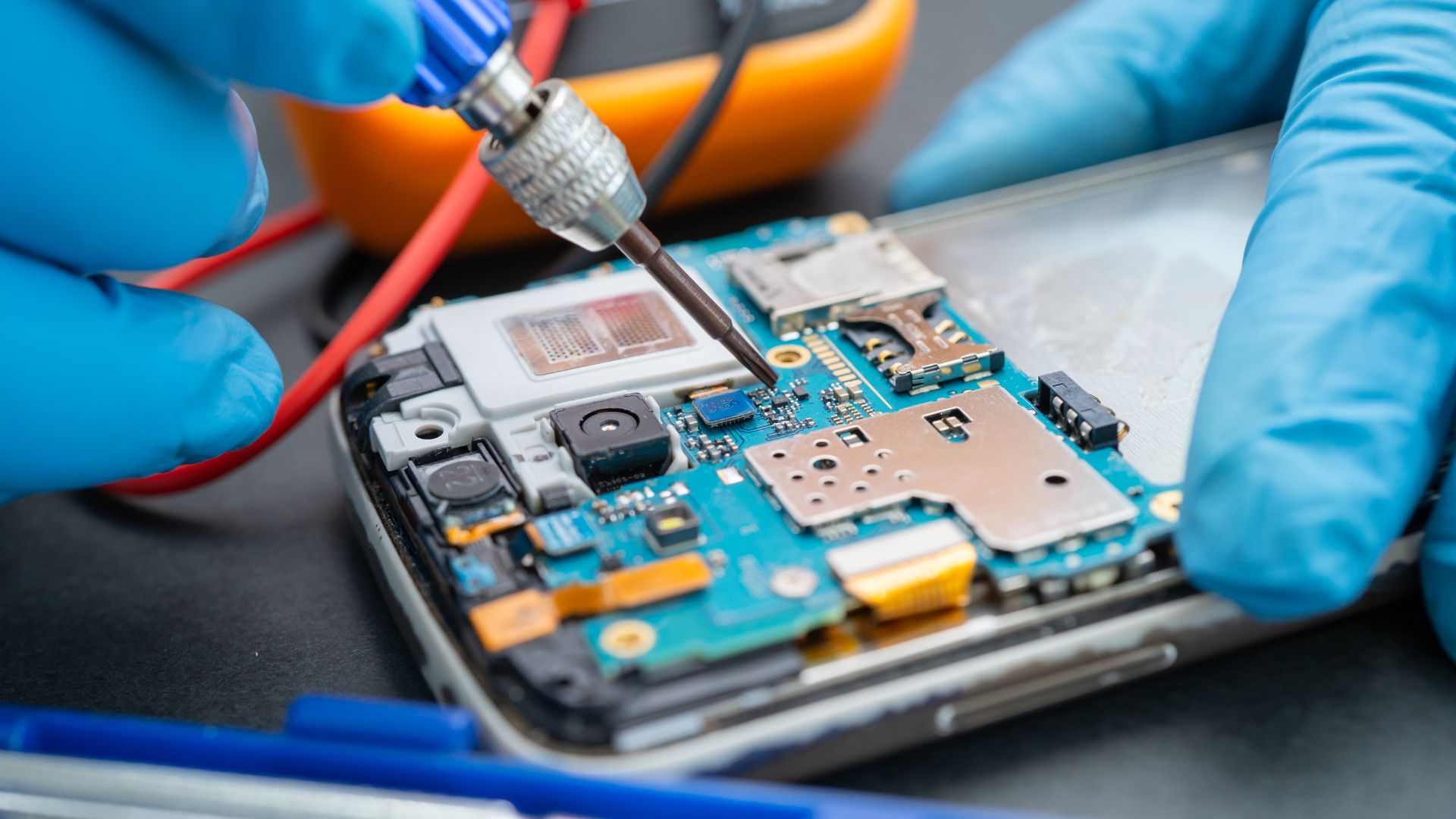
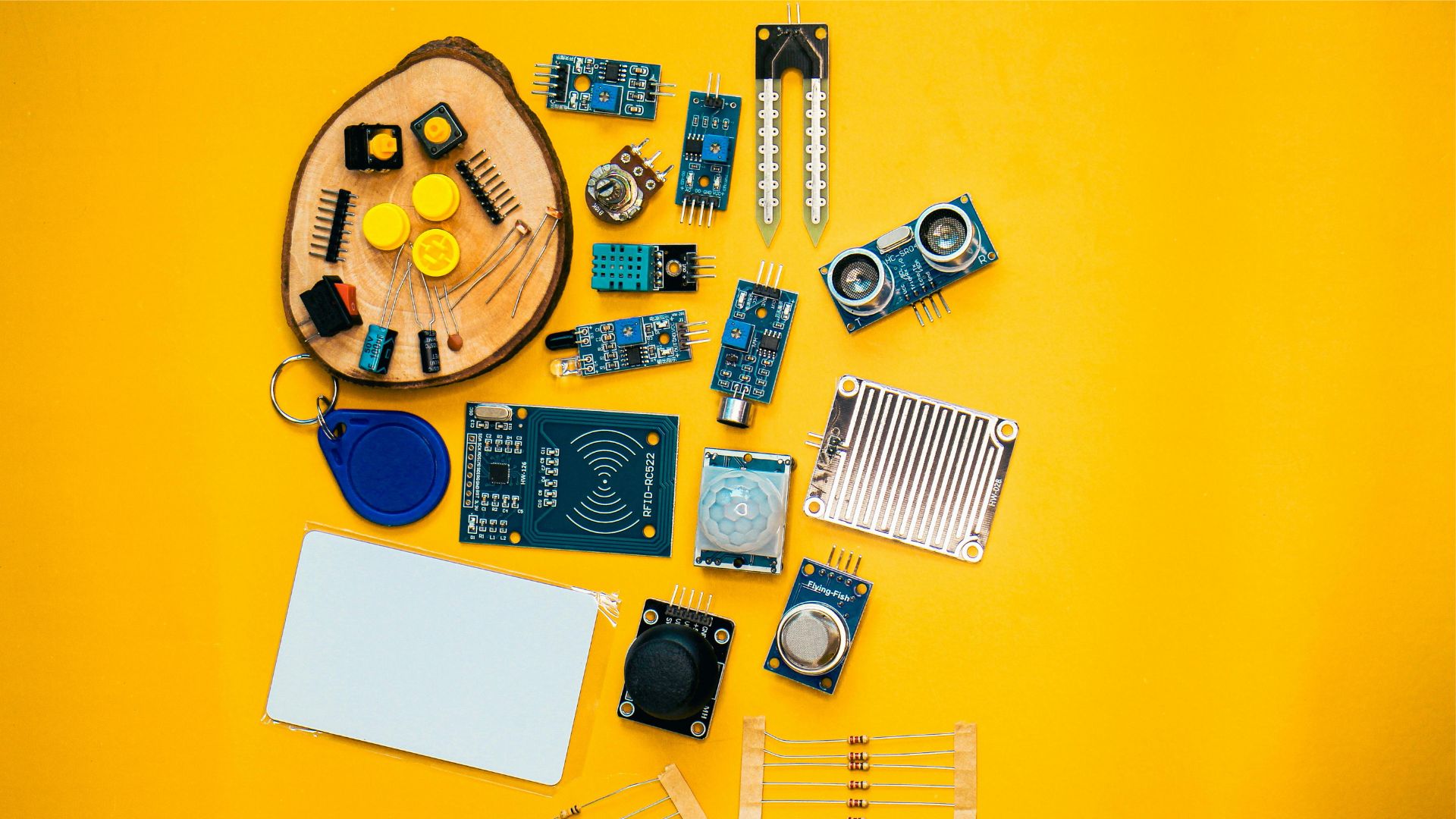
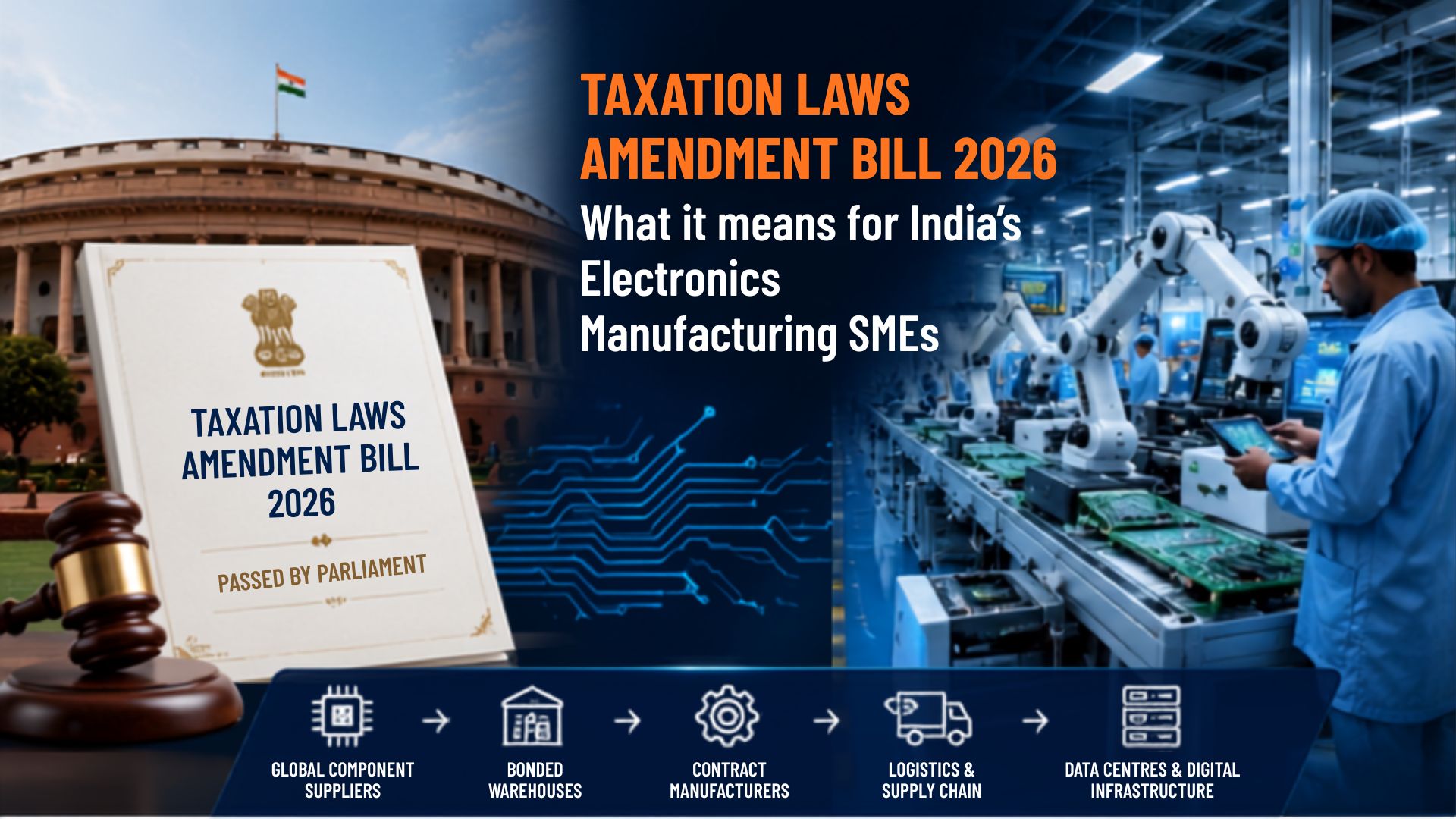
The expansion of ECMS from ₹22,000 crore to ₹40,000 crore, supported by strong industry response, opens significant space for component-level SMEs to move beyond assembly-linked roles into higher-value manufacturing. Similarly, ISM 2.0, with a provision of ₹1,000 crore for FY 2026-27, shifts emphasis toward semiconductor equipment, materials, indigenous IP and talent development, areas where specialised MSMEs can emerge as critical suppliers.
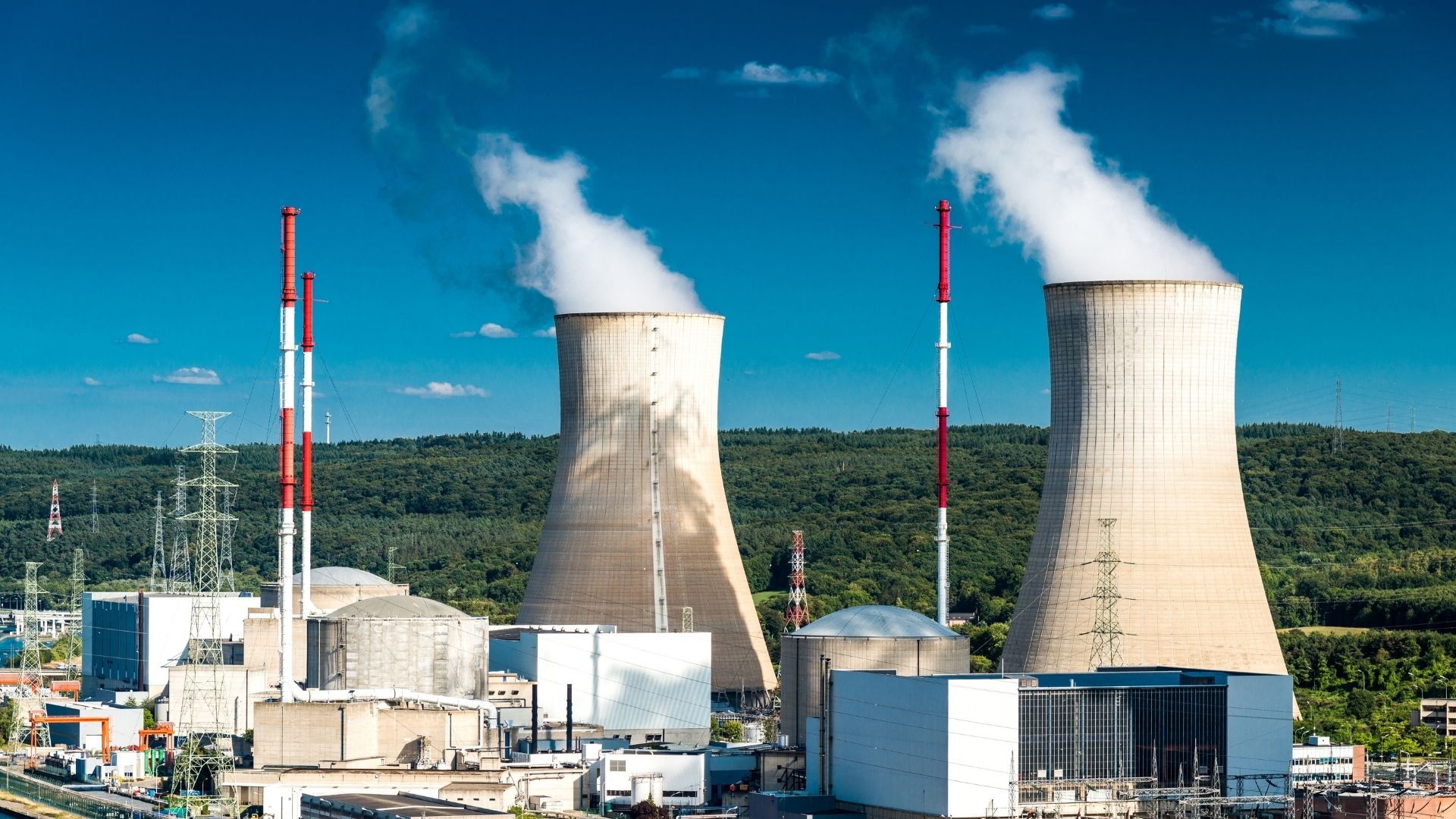
The proposal to establish three new Chemical Parks on a cluster-based plug-and-play model further strengthens India’s position in chemicals, intermediates and specialty manufacturing. For MSMEs, shared infrastructure, faster approvals and integrated logistics reduce entry barriers while improving compliance and scalability. The parallel push for Carbon Capture Utilisation and Storage (CCUS), with an outlay of ₹20,000 crore over five years, signals India’s intent to align industrial growth with global sustainability standards, an increasingly decisive factor in export markets.
Textiles: Employment, Exports and Cluster Renewal
Labour-intensive sectors receive renewed policy attention, with textiles standing out as a cornerstone of employment-led exports. The Integrated Programme for the Textile Sector adopts a value-chain approach, addressing fibre availability, cluster modernisation, skilling and sustainability.
The National Fibre Scheme aims to strengthen self-reliance across natural, man-made and new-age fibres, reducing import vulnerability and supporting innovation. The Textile Expansion and Employment Scheme focus on upgrading traditional clusters through capital support, technology upgradation and common testing and certification facilities, critical for MSMEs facing quality and compliance constraints.
The integration of handloom and handicraft schemes under a National Handloom and Handicraft Programme, along with the Tex-Eco Initiative and Samarth 2.0, reflects an effort to combine heritage sectors with modern production, skilling and sustainability expectations. The announcement of Mega Textile Parks in challenge mode further enables scale, infrastructure efficiency and value addition, particularly in technical textiles.
Export facilitation measures, including extension of export obligation periods from six to twelve months for textiles, leather and marine products, provide operational flexibility and ease working capital stress for MSME exporters.
Services Exports and Digital Scale
The services sector, already India’s largest export contributor with exports exceeding USD 220 billion, receives a significant policy thrust. The proposal to create a High-Powered Education-to-Empowerment and Enterprise Standing Committee reflects ambition to capture 10 percent of global services exports by 2047.
For IT and IT-enabled services, simplification is the central theme. A unified classification of IT services, a common safe harbour margin of 15.5 percent, and a sharp increase in eligibility threshold from ₹300 crore to ₹2,000 crore provide tax certainty and reduce compliance friction. Automated approvals and faster Advance Pricing Agreements improve predictability, which is particularly valuable for mid-sized service exporters and GCC-linked MSMEs.
Tax holidays until 2047 for foreign companies providing global cloud services through India-based data centres further reinforce India’s position as a digital and data-services hub, creating downstream opportunities for domestic SMEs in infrastructure, cybersecurity and support services.
Trade Facilitation and Logistics: Reducing Hidden Costs
Export competitiveness ultimately depends on logistics efficiency. Budget 2026–27 strengthens this foundation through higher public capital expenditure, expansion of freight corridors, coastal shipping promotion, container manufacturing and logistics parks. The removal of the ₹10 lakh cap on courier exports directly benefits small exporters and e-commerce-led MSMEs, while improved handling of returned consignments reduces friction in B2C trade.
Trust-based reforms such as electronic sealing, non-intrusive scanning, longer validity of advance rulings, and enhanced benefits for Authorised Economic Operators improve predictability and reduce transaction costs, areas where MSMEs typically face disproportionate burdens.
MSME Finance: From Survival to Scale
Recognising MSMEs as India’s export backbone, the Budget introduces a ₹10,000 crore SME Growth Fund to create future “Champion SMEs”, shifting the narrative from survival support to scale enablement. Strengthening TReDS, with mandatory CPSE participation, credit guarantees for invoice discounting, and integration with GeM, directly addresses working capital constraints. With over ₹7 lakh crore already facilitated through TReDS, these enhancements deepen liquidity and reduce dependence on informal credit.
The Larger Signal
Union Budget 2026-27 presents a coherent, execution-oriented trade and export strategy. It blends manufacturing depth, services excellence, logistics modernisation and MSME finance into a unified framework. For SMEs and MSMEs, the message is clear: policy support is expanding, but so are expectations around capability, compliance and reliability.
Those that align early with this direction will not only access markets but earn trust. And in global trade today, trust is the most valuable export of all.