




India’s Electronics SME Export Story: Opportunities in a Rewired Global Supply Chain
India’s electronics manufacturing SME exporters stand at a decisive inflection point. Over the past decade, the global electronics value chain has undergone structural realignment driven by geopolitics, supply-chain diversification, resilience mandates and rapid technological upgrade cycles. For Indian small and medium enterprises operating in electronics manufacturing, this transition is not merely a backdrop, it is a window of strategic opportunity, provided competitiveness, compliance and capability expansion are addressed in tandem.
From the vantage point of the Federation of Indian Export Organisations (FIEO), the export potential of India’s electronics SME segment is both real and underleveraged. Demand patterns across North America, Europe, West Asia and parts of Southeast Asia are shifting toward diversified sourcing, trusted supplier ecosystems and cost-efficient manufacturing clusters outside traditional hubs. India’s growing domestic electronics base, expanding component ecosystem and policy-backed manufacturing incentives are aligning at the right time for SME exporters to scale their global footprint.
However, global electronics trade is unforgiving in its benchmarks. Buyers demand precision manufacturing, process traceability, certification compliance, cybersecurity assurance and supply reliability, all at competitive price points. SMEs frequently demonstrate engineering agility and niche product strengths, yet face structural constraints in scale, capital access, standards certification and international market intelligence. The result is a capability gap between product potential and export readiness.
One of the central challenges lies in standards and compliance architecture. Electronics exports today are governed by multilayered regulatory frameworks like technical standards, safety certifications, environmental norms, data security requirements and ESG disclosures. SMEs often underestimate the time and financial investment needed to achieve and maintain these certifications. Without systematic compliance readiness, otherwise capable firms lose market access before commercial negotiations even begin. This is where coordinated institutional support and early advisory intervention become critical.
Logistics and supply chain integration present another friction point. Electronics exports depend on time-sensitive, damage-sensitive and documentation-intensive logistics flows. Fragmented logistics planning, weak multimodal linkages and inadequate packaging standards can erode exporter credibility. SMEs that embed logistics planning into product design and export strategy, rather than treating it as an afterthought, consistently perform better in repeat export markets.
Technology intensity is both an opportunity and a stress factor. Rapid product cycles mean that tooling, testing and quality infrastructure must be continually upgraded. SMEs that collaborate through cluster models, shared testing labs and common facility centres can offset capital constraints while maintaining global quality thresholds. Industry associations and export bodies increasingly advocate cooperative infrastructure models to strengthen SME export competitiveness.
Indian government policy frameworks have, in recent years, moved decisively to support electronics manufacturing and exports. Production Linked Incentive (PLI) schemes, phased manufacturing programmes, duty rationalisation measures and export facilitation reforms have created a more enabling environment. For SME exporters, however, the key lies not only in policy availability but in policy navigation. Incentive schemes often involve procedural complexity, eligibility thresholds and documentation rigor that discourage smaller firms. Structured awareness programmes, handholding cells and policy literacy workshops are therefore essential to convert policy into participation.
Trade agreements and market access negotiations also deserve closer SME attention. Preferential tariff regimes under bilateral and regional trade arrangements can materially improve price competitiveness, yet many SMEs do not actively map their product lines against tariff advantages available in partner markets. Export strategy must increasingly incorporate trade policy intelligence alongside product strategy.
Digital trade infrastructure is emerging as a silent force multiplier. E-documentation systems, digital customs interfaces, paperless compliance and fintech-enabled trade finance are reducing transaction friction. SMEs that adopt digital export processes gain speed, transparency and financing advantages. Equally important is cybersecurity preparedness, as electronics exporters are now part of globally networked supply chains where data integrity and system security influence buyer selection.
From FIEO’s standpoint, the path forward is anchored in three pillars: capability building, compliance readiness and collaborative scale. SMEs must invest in certification, process quality and market intelligence. Institutions must deepen advisory outreach and simplify policy access. Industry networks must foster shared infrastructure and cluster competitiveness.
The global electronics marketplace is expanding, but it is also consolidating around reliability and standards discipline. Indian SME electronics exporters who align with this reality and leverage the policy, infrastructure and institutional support available can move from opportunistic exporting to sustained global participation.
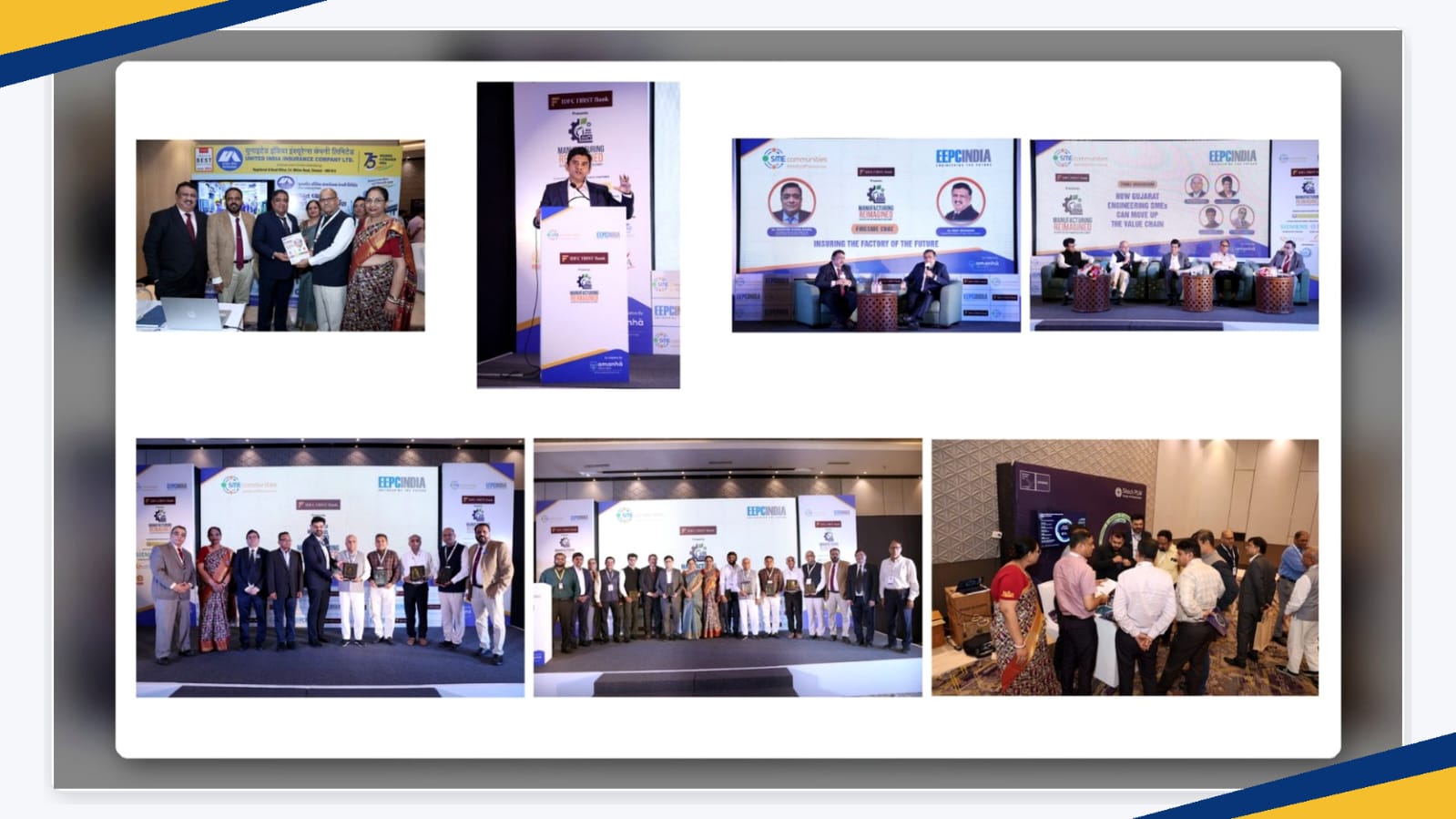
The opportunity is not distant. It is operational and immediate. FIEO, in association with SME Communities, is happy to bring all the industry stakeholders in the Indian electronics manufacturing exports segment on one platform in the upcoming Bengaluru edition of ‘Manufacturing Reimagined’.