




Freight Shocks and Fragile Corridors: Why Pharma Export Logistics Must Become a Strategic Priority

By S. Anil Kumar, Vice Chairman, Federation of Freight Forwarders’ Associations in India (FFFAI)
In global trade, the pharmaceutical sector occupies a uniquely sensitive position. Unlike many other industrial exports, medicines are not merely commodities, they are essential public health goods whose timely movement across borders can directly influence patient outcomes. Yet the stability of this life-saving supply chain ultimately depends on the resilience of international logistics networks.
Recent geopolitical tensions in West Asia have once again exposed how fragile these networks can be. Disruptions along critical maritime routes, particularly those linking the Indian Ocean to the Gulf and beyond, have introduced uncertainty into global freight markets. For India’s pharmaceutical exporters, this translates into longer transit times, higher logistics costs and greater unpredictability in delivery schedules.
India has steadily emerged as one of the world’s most significant suppliers of generic medicines and active pharmaceutical ingredients. This export capability rests not only on manufacturing excellence but also on the efficiency of the logistics ecosystem that connects Indian factories to global healthcare systems. When geopolitical shocks disturb that ecosystem, the consequences ripple far beyond the shipping industry.
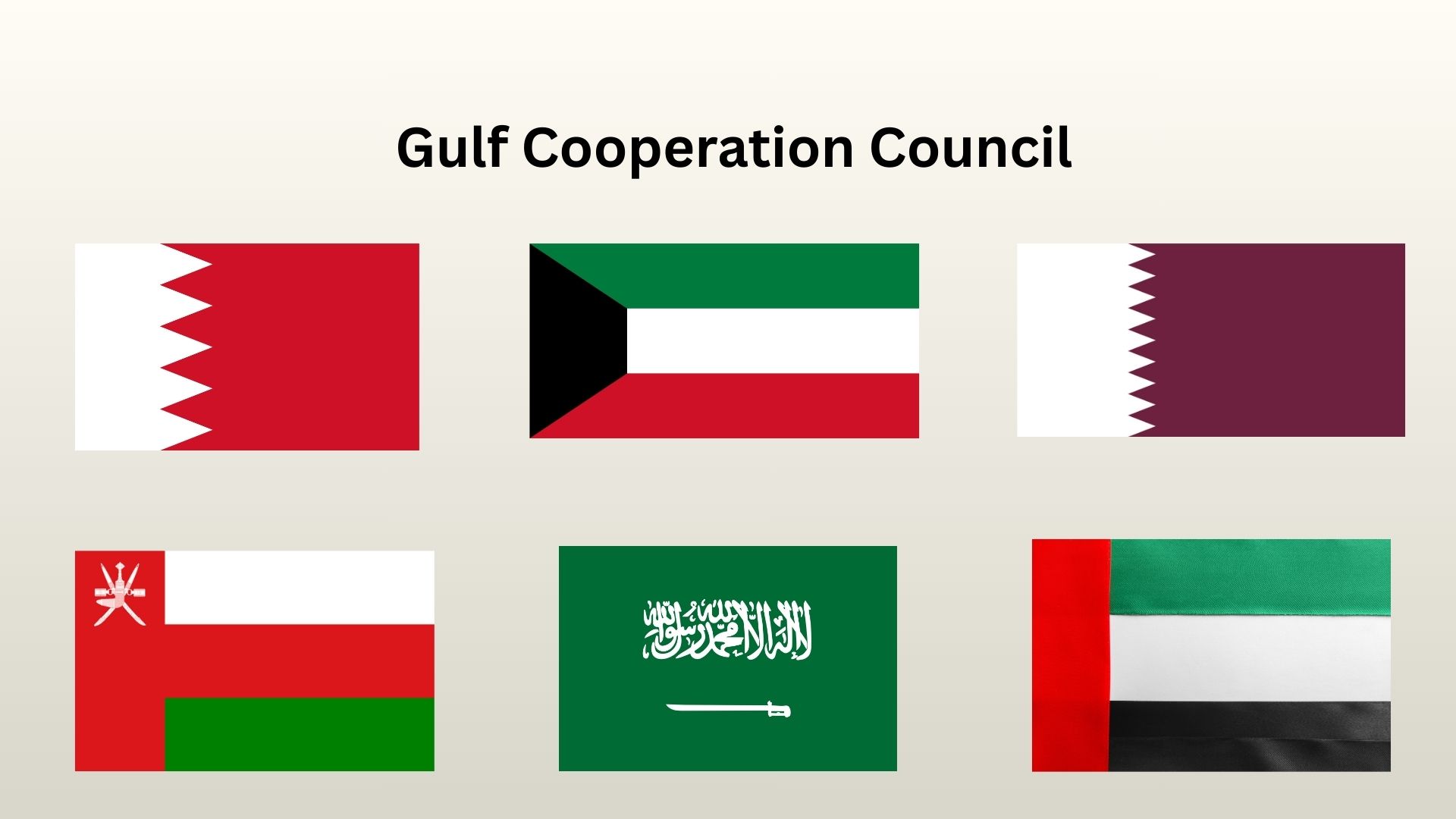
The Middle East remains an important destination for Indian pharmaceutical exports, serving both as a major consumption market and a distribution gateway to Africa and parts of Europe. However, escalating tensions in the region have disrupted shipping lanes, forced carriers to reroute vessels, and triggered a surge in freight charges and insurance premiums. These disruptions have created operational challenges for exporters who depend on predictable and temperature-controlled logistics systems.
For pharmaceutical cargo, the stakes are particularly high. Many products require strict temperature management, precise documentation and tight delivery timelines. Even small delays can complicate regulatory compliance or affect the shelf life of sensitive medicines. In this context, the reliability of cargo corridors becomes as important as the efficiency of the manufacturing plants that produce these medicines.
From the perspective of the freight forwarding and logistics community, the current situation highlights a structural lesson: global supply chains are only as resilient as the trade corridors that sustain them. Freight markets may fluctuate and geopolitical crises may erupt, but exporters require dependable pathways through which goods can move with confidence.
This is precisely why industry forums that bring together logistics providers, exporters, policymakers and financial institutions have become increasingly important. Recently, at the ‘Cargo Corridors: Moving SMEs Forward’ conference, organised in Hyderabad, stakeholders from across the trade ecosystem gathered to discuss how India can strengthen its export logistics architecture.
As Vice Chairman of the Federation of Freight Forwarders’ Associations in India (FFFAI), I found the discussions particularly illuminating. One of the most valuable insights from the forum was the opportunity to hear directly from Indian pharmaceutical and bulk drug exporters. Their experiences underscored a simple but powerful point: logistics resilience is no longer a peripheral concern; it is central to export competitiveness.
Many exporters spoke about the increasing complexity of global trade compliance, the rising importance of digital documentation and the need for greater predictability in freight movements. For sectors such as pharmaceuticals, where delivery reliability is intertwined with regulatory requirements and patient safety, these issues become even more critical.
The conversations at the Cargo Corridors platform also reinforced the importance of closer coordination between logistics stakeholders and exporting industries. Freight forwarders, shipping lines, air cargo operators, regulators and exporters must increasingly operate as part of an integrated ecosystem rather than isolated service providers.
India’s pharmaceutical industry has demonstrated remarkable resilience over the past two decades, expanding its global footprint and strengthening its reputation as the “pharmacy of the world.” Yet sustaining this leadership will require more than manufacturing strength. It will require logistics networks that are agile, diversified and technologically enabled.
The evolving geopolitical environment is a reminder that trade corridors can no longer be taken for granted. Investments in multimodal infrastructure, digital trade platforms and risk-resilient logistics systems will be critical in safeguarding the continuity of pharmaceutical exports.
Ultimately, the lesson from the current disruptions is not simply about rising freight costs or temporary supply chain turbulence. It is about recognising that export logistics, particularly for strategic sectors like pharmaceuticals, must be treated as a national economic priority.
The voice of Indian pharma exporters, heard clearly during the Cargo Corridors discussions, serves as a timely reminder: resilient trade corridors are not just about moving cargo efficiently; they are about sustaining global healthcare supply chains and reinforcing India’s role as a trusted partner in the world’s pharmaceutical ecosystem.