




India – Brazil MoUs Signal Strategic MSME, Pharma, Postal and Steel Cooperation
During the State Visit of Luiz Inácio Lula da Silva to India last week, New Delhi and Brasília signed a series of sectoral Memorandums of Understanding that significantly broaden the economic architecture of the India-Brazil Strategic Partnership. The agreements span MSME collaboration, pharmaceutical regulation, postal modernisation and mineral cooperation for steel production, reflecting a calibrated effort to deepen South-South economic integration.
The first agreement, signed between India’s Ministry of MSME and Brazil’s Ministry of Entrepreneurship, Micro and Small Enterprises, creates an institutional framework for structured engagement between the two MSME ecosystems. The MoU aims to facilitate knowledge exchange on policy frameworks, market access, technology adoption and sustainability practices.
For India’s MSME sector, which contributes nearly 30 percent to GDP and around 45 percent to exports, the agreement opens a formal channel to access Brazil’s Latin American markets. Brazilian MSMEs are deeply embedded in agro-processing, bioenergy, food technology and green manufacturing, areas where Indian enterprises can explore co-development partnerships and technology transfer. Importantly, the MoU emphasises enabling MSMEs’ access to green finance, a theme increasingly central to global supply chains. As climate-linked trade standards tighten, Indian MSMEs that integrate sustainability metrics will gain stronger positioning in international markets.
Pharmaceutical Regulatory Convergence
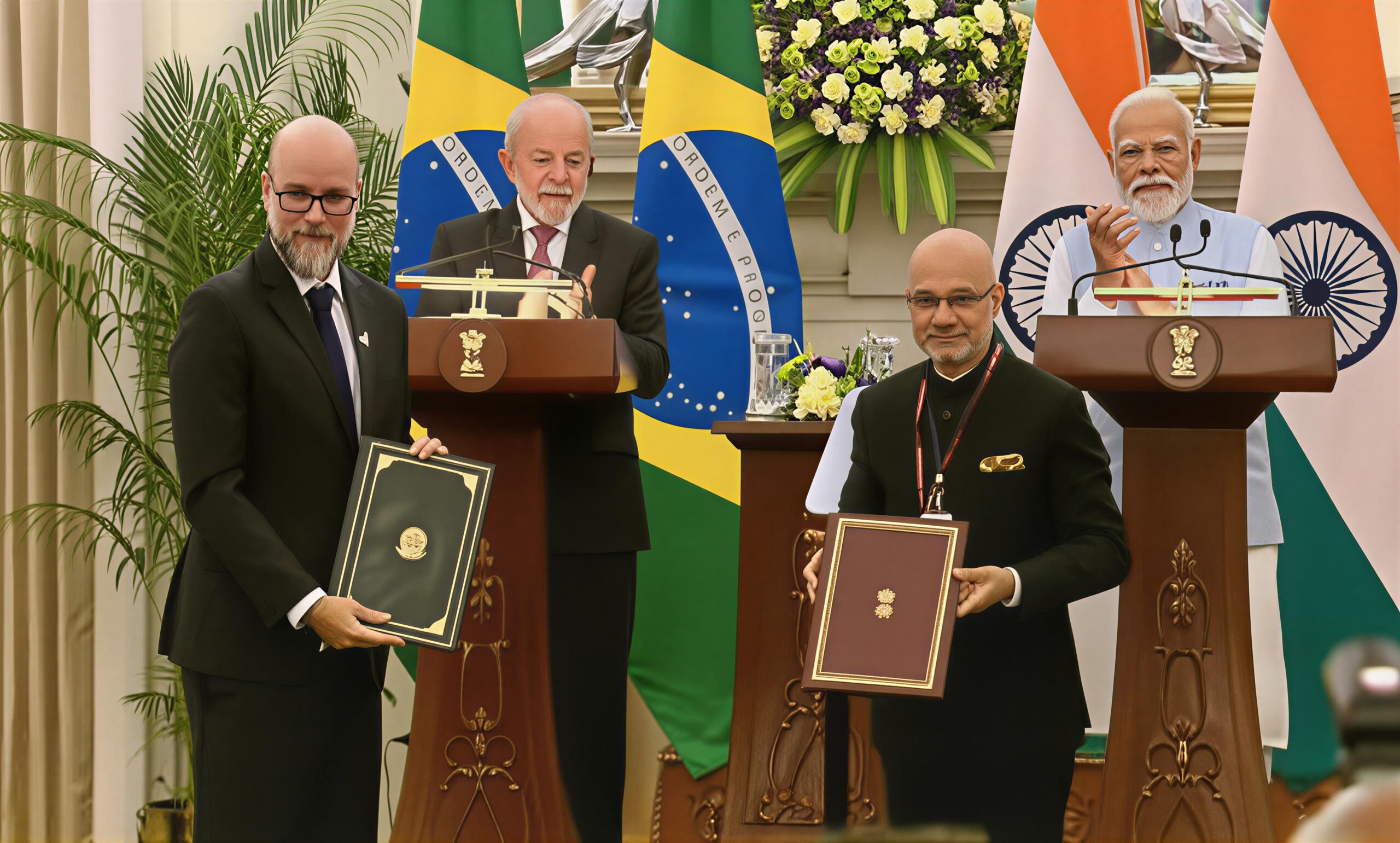
In a parallel development, India’s Central Drugs Standard Control Organisation and Brazil’s Brazilian Health Regulatory Agency signed an MoU on regulatory cooperation in pharmaceutical and medical products. The exchange took place at Hyderabad House in the presence of Narendra Modi and President Lula.
The agreement establishes a structured framework for information exchange, regulatory convergence and coordinated oversight across pharmaceutical ingredients, drugs, biologics and medical devices. For India’s vast network of pharmaceutical MSMEs, this development is strategically significant. Brazil represents one of the largest healthcare markets in Latin America and regulatory harmonisation can reduce compliance friction, shorten approval timelines and enhance export predictability.
Indian small and mid-sized pharma manufacturers often face regulatory duplication costs when entering foreign markets. Improved coordination between CDSCO and ANVISA could lower these entry barriers, strengthen supply chain reliability and support affordable medicine exports, reinforcing India’s position as a key supplier to Global South markets.
Postal Cooperation and MSME Logistics
India and Brazil also signed an MoU in the postal sector, focusing on digital transformation, e-commerce logistics, postal financial services and universal service frameworks. The agreement enables collaboration between India’s Department of Posts and Brazil’s Ministry of Communications, including coordinated engagement at the Universal Postal Union.
For Indian MSMEs, especially those operating in e-commerce and handicrafts, postal modernisation has direct commercial implications. Efficient cross-border parcel logistics, interoperable addressing systems and digital tracking infrastructure can significantly reduce last-mile delivery costs. As more Indian small businesses expand into global online marketplaces, strengthened postal cooperation may help build reliable, cost-effective logistics corridors linking Asia and Latin America.
India’s experience in large-scale postal digitalisation, financial inclusion initiatives and rural outreach could also translate into collaborative innovation projects, generating service exports in digital public infrastructure and logistics technology.
Steel and Critical Minerals: Supply Chain Resilience
The fourth MoU, signed between India’s Ministry of Steel and Brazil’s Ministry of Mines and Energy, focuses on cooperation across the steel value chain, particularly raw material security. Brazil is a leading global producer of iron ore and possesses substantial reserves of manganese, nickel and niobium.
India currently has a steelmaking capacity of 218 million tonnes and is expanding to meet infrastructure and industrial demand. For MSMEs operating in downstream steel processing, fabrication and engineering goods, stable access to raw materials directly influences cost competitiveness. The agreement covers mineral exploration, processing technologies, recycling and application of advanced technologies including AI in geoscientific analysis.
Improved mineral cooperation strengthens supply chain resilience, a factor that directly impacts MSME vendors integrated into automotive, infrastructure and capital goods ecosystems.
A Strategic South-South Template
Collectively, the MoUs move beyond symbolic diplomacy. They reflect a deliberate attempt to institutionalise cooperation across production, regulation, logistics and sustainability. For India’s MSME sector, the agreements create new openings in three strategic areas: export diversification toward Latin America, integration into green and compliant supply chains and improved regulatory and logistical interoperability.
At a time when global trade remains fragmented and climate standards are tightening; structured bilateral frameworks offer smaller enterprises predictability and policy support. If implemented effectively, the India-Brazil agreements could serve as a template for South-South industrial partnerships that combine market access, sustainability transition and supply chain resilience.
For Indian MSMEs, the message is clear: global competitiveness will increasingly depend not only on cost efficiency, but on regulatory alignment, sustainability readiness and strategic market partnerships. The India-Brazil MoUs provide a platform to advance precisely that transition.