




India-GCC FTA: Why This Trade Corridor Already Holds Strategic and Commercial Significance for India’s MSMEs
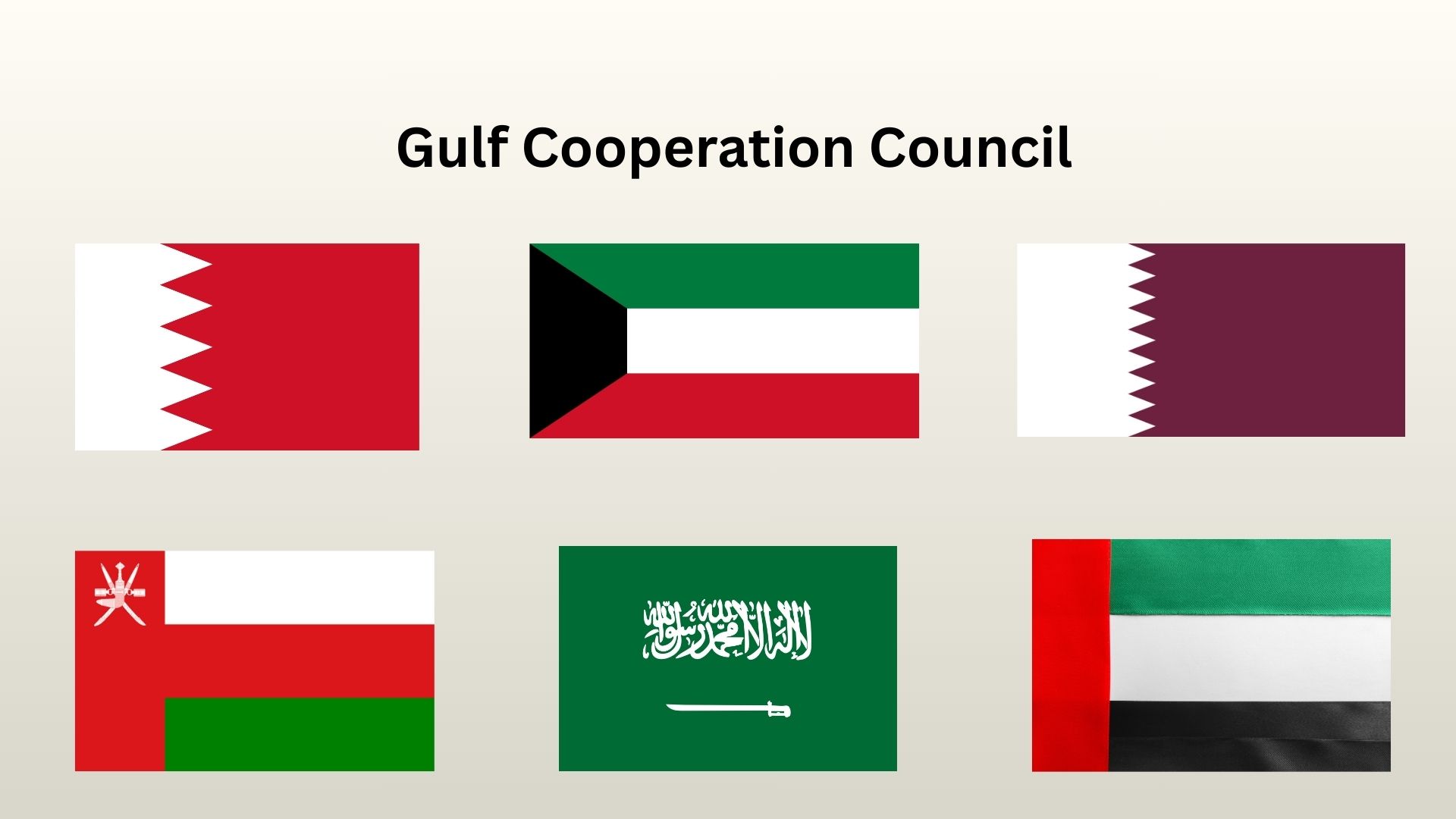
India’s has formally launch negotiations for a Free Trade Agreement (FTA) with the Gulf Cooperation Council (GCC), it marks a critical institutional acknowledgement of an economic corridor that is already operating at scale. With bilateral trade reaching approximately USD 178.6 billion in FY2024-25, the GCC has emerged as India’s largest trading partner bloc, accounting for over 15 percent of India’s total global trade, according to the Ministry of Commerce and Industry.
This relationship, however, is structurally asymmetric. India’s imports from the GCC, dominated by crude oil, LNG, petrochemicals and precious metals, significantly exceed its exports, which remain concentrated in engineering goods, food products, chemicals, textiles and pharmaceuticals. This imbalance underscores the central economic reality: India’s export potential to the GCC remains under-leveraged relative to the scale of demand and geographic proximity.
For India’s MSMEs, which contribute approximately 45 percent of India’s total exports and nearly 30 percent of GDP, the GCC represents one of the most operationally viable and commercially proven international markets.
A Trade Corridor Built on Geography, Infrastructure and Commercial Familiarity
Unlike distant export destinations such as North America or Europe, the GCC offers Indian exporters a decisive logistical and operational advantage. Shipping timelines between India’s western ports, particularly Nhava Sheva, Mundra and Kandla and key GCC ports such as Jebel Ali, Dammam and Hamad typically range between three and seven days. In contrast, shipments to European ports often require three to five weeks.
This shorter logistics cycle directly improves working capital efficiency, an essential factor for MSMEs operating with limited balance sheet flexibility. Faster delivery timelines enable quicker invoice realization, lower inventory holding costs and improved order turnover ratios.
Trade data reflects this operational advantage. The UAE alone accounted for approximately USD 31.6 billion in Indian exports in FY2024-25, making it India’s third-largest export destination. A substantial portion of these exports originates from MSME-driven sectors, including engineering goods, electrical machinery, processed food, gems and jewellery and textiles.
These trade flows demonstrate that the GCC is not an emerging market for Indian MSMEs. It is an established one.
Sectoral Trade Patterns Confirm Strong MSME Participation
India’s export strength in the GCC region is particularly visible in sectors where MSMEs dominate manufacturing and supply chains.
Engineering exports to GCC countries exceeded USD 18 billion in FY2024-25, according to the Engineering Export Promotion Council of India. These include industrial machinery, fabricated metal products, structural components, and electrical equipment, products extensively manufactured by MSME clusters in states such as Maharashtra, Tamil Nadu, Gujarat and Punjab.
Similarly, India’s food exports to the GCC exceeded USD 8 billion. GCC countries import between 80 percent and 90 percent of their food requirements due to climatic and agricultural constraints, according to the Food and Agriculture Organization (FAO). India’s established position as a reliable supplier of rice, spices, marine products, and processed foods reinforces the region’s commercial importance.
India’s pharmaceutical sector also maintains a strong presence. As the world’s largest supplier of generic medicines by volume, accounting for approximately 20 percent of global supply, India exports a wide range of pharmaceutical products to GCC markets, supported by its cost competitiveness and regulatory manufacturing base.
These export patterns highlight a key reality: MSMEs are already structurally integrated into GCC supply chains.
Investment Flows Reinforce Long-Term Economic Integration
The India-GCC economic relationship extends beyond trade into capital flows. According to the Department for Promotion of Industry and Internal Trade (DPIIT), cumulative foreign direct investment (FDI) inflows from GCC countries exceeded USD 31 billion as of September 2025, with the UAE and Saudi Arabia emerging as major investors.
These investments have been directed toward infrastructure, logistics, renewable energy, technology platforms, and industrial development, sectors that create downstream demand for MSME suppliers.
Indian MSMEs participate in these ecosystems as component manufacturers, fabrication partners, engineering service providers, and logistics operators. This supplier integration strengthens domestic industrial capacity while linking MSMEs to globally financed infrastructure and industrial networks.
This process is already underway across multiple sectors.
Competitive Pressures Are Intensifying Across GCC Markets
While India maintains a strong trade presence in the GCC, competitive pressures are increasing. China remains the GCC’s largest trading partner, with bilateral trade exceeding USD 300 billion in 2024. Chinese exporters have established strong positions in electronics, industrial equipment and construction materials.
Similarly, exporters from Turkey, Vietnam and Southeast Asia have expanded their footprint across GCC markets, particularly in food products, consumer goods and building materials.
Indian MSMEs retain structural advantages in cost competitiveness, manufacturing scale, and diaspora-linked trade networks. However, sustaining market share requires continuous improvements in quality standards, compliance capabilities and delivery reliability.
Trade competitiveness is increasingly determined by operational execution rather than market access alone.
Energy Trade Anchors Strategic Interdependence
Energy remains the foundational pillar of India-GCC economic engagement. Approximately 55 percent of India’s crude oil imports originate from GCC countries, including Saudi Arabia, Iraq, UAE and Kuwait, according to the Ministry of Petroleum and Natural Gas.
This energy interdependence has created long-term economic alignment between the two regions.
At the same time, GCC countries are actively diversifying their economies under national transformation programmes such as Saudi Vision 2030 and UAE Economic Vision initiatives. These programmes focus on expanding manufacturing, logistics, renewable energy and industrial infrastructure.
This economic diversification is already generating demand for industrial equipment, engineering products and technical services, areas where Indian MSMEs maintain strong production capabilities.
Diaspora Networks Provide India with a Structural Trade Advantage
One of India’s most significant structural advantages in GCC markets is its diaspora presence. Approximately 9 million Indians reside and work across GCC countries, making it the largest expatriate community in the region, according to the Ministry of External Affairs.
This diaspora plays a critical commercial role by facilitating distribution networks, supplier relationships and market access channels.
Indian-origin business owners and professionals frequently act as intermediaries, distributors, and procurement partners for Indian manufacturers. This reduces entry barriers and accelerates trust-based commercial relationships, providing Indian MSMEs with a natural competitive advantage.
The Trade Corridor Is Already Operational at Scale
The India-GCC trade relationship is not defined by policy announcements alone. It is defined by daily commercial activity.
Engineering MSMEs in Coimbatore export industrial components to UAE distributors. Pharmaceutical manufacturers in Hyderabad supply generic medicines across Saudi Arabia and Oman. Food exporters in Punjab and Gujarat ship rice and processed foods to GCC retail chains and food service companies.
These trade flows are supported by logistics connectivity, diaspora networks, investment linkages and established demand patterns.
The ongoing FTA negotiations represent the formal institutional consolidation of a trade corridor that is already economically active, commercially viable and strategically significant.
For India’s MSMEs, the GCC is not a future opportunity. It is a present export ecosystem, supported by real trade volumes, operational supply chains and sustained commercial demand.
The enterprises that continue to build operational credibility, compliance readiness, and supply reliability within this corridor will remain central to India’s export competitiveness in the evolving global trade environment.