




India-Germany Talks Strengthens Trade Corridors, Logistics and SME Access
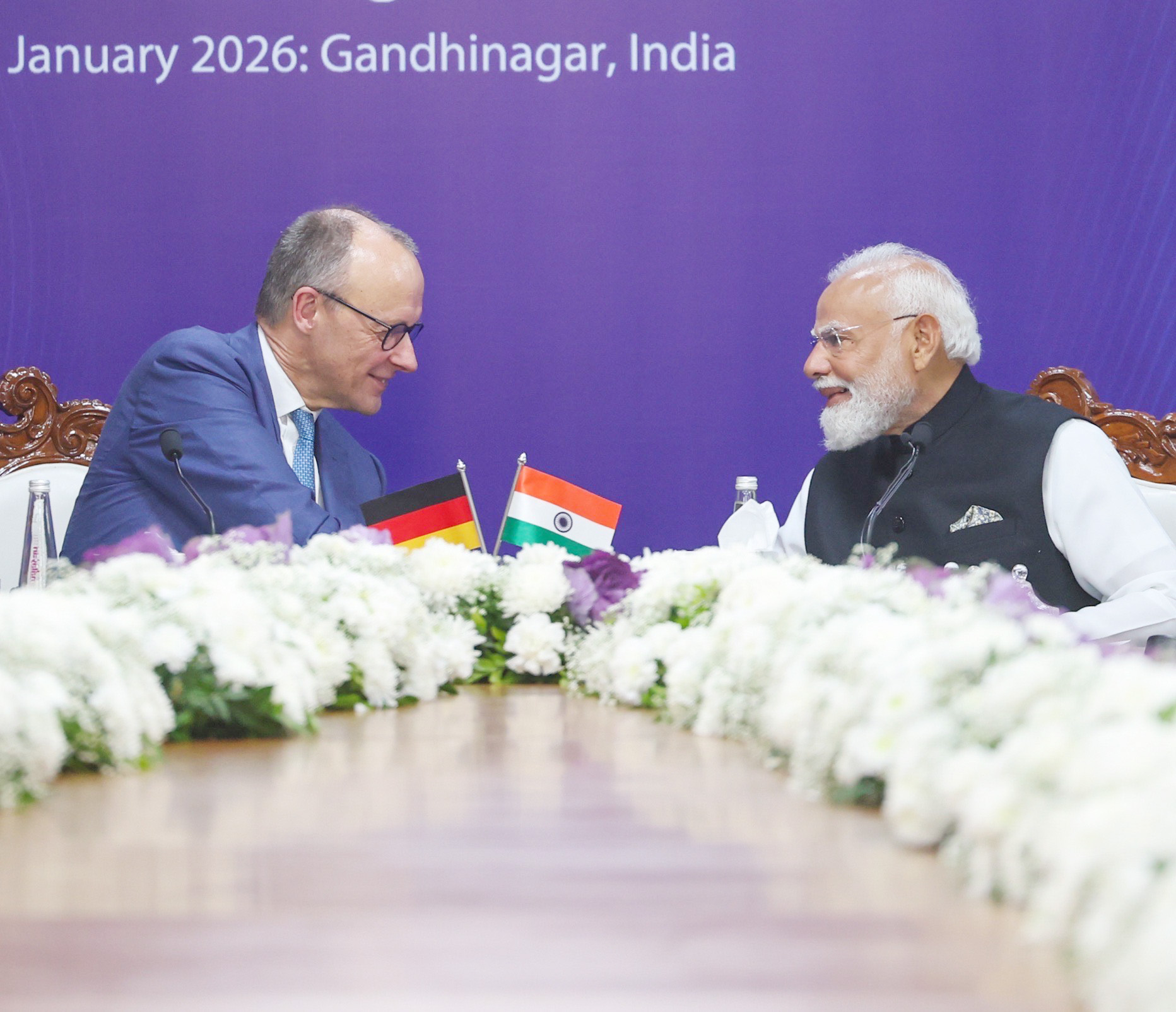
The official visit of German Federal Chancellor H.E. Mr. Friedrich Merz to India from 12–13 January 2026 marks a consequential moment in India-Germany relations, not merely as a diplomatic milestone but as a clear signal of how trade corridors, industrial cooperation and SME integration into global value chains are being redefined.
This was Chancellor Merz’s first visit to India and his first to Asia after assuming office, underlining the priority Berlin now attaches to India as a core strategic and economic partner in the Indo-Pacific. The timing is equally symbolic, following the completion of 25 years of the India–Germany Strategic Partnership in 2025 and coinciding with the 75th year of diplomatic relations in 2026.
Beyond ceremonial engagements, the visit delivered substantive outcomes across defence, trade, technology, logistics, renewable energy and mobility, with direct implications for Indian SMEs seeking scale, resilience and international market access.
From Strategic Alignment to Economic Execution
Prime Minister Narendra Modi and Chancellor Merz held restricted and delegation-level talks in Ahmedabad, reaffirming shared democratic values, commitment to a rules-based international order and convergence on regional and global challenges. More importantly for business stakeholders, the visit reflected a deliberate shift from intent to execution.
Both leaders reviewed progress since the 7th India-Germany Inter-Governmental Consultations held in October 2024 and noted the renewed momentum across government, industry, academia and civil society. That momentum is now being translated into institutional frameworks that directly impact companies operating across borders.
Defence Industrial Cooperation Moves Centre Stage
Defence and security cooperation emerged as a key pillar, with a notable emphasis on industrial collaboration rather than transactional procurement. The signing of a Joint Declaration of Intent on a Defence Industrial Cooperation Roadmap lays the foundation for long-term collaboration in co-development, co-production and technology partnerships.
For Indian MSMEs embedded in defence supply chains, this opens pathways to integrate with German primes and Tier-1 suppliers, particularly in precision engineering, electronics, materials, maintenance and sub-systems. Progress in submarine cooperation, counter-unmanned aerial systems and helicopter safety technologies further reinforces this opportunity set.
Trade, Investment and the SME Lens
Bilateral trade between India and Germany crossed USD 50 billion in 2024, accounting for over a quarter of India’s trade with the European Union. The growth momentum continued through 2025, driven by supply chain diversification and expanding two-way investments.
Both leaders explicitly identified SMEs, startups and innovation-led enterprises as engines of future growth. Prime Minister Modi invited German companies to expand operations in India, highlighting its skilled workforce, reform momentum and scalability. Chancellor Merz, in turn, positioned Germany as a gateway for Indian firms seeking access to European markets, advanced manufacturing ecosystems and R&D depth.
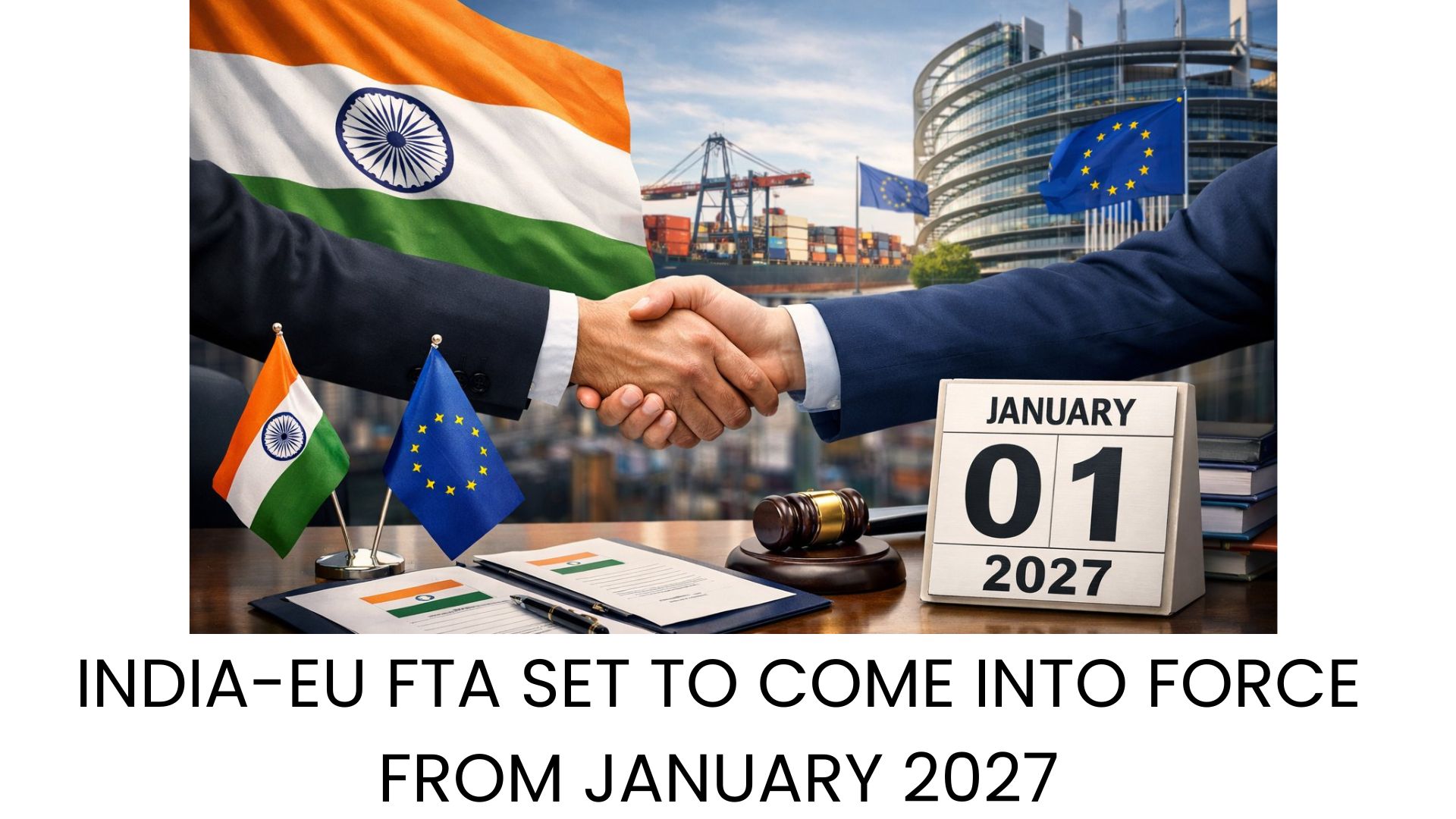
The reaffirmed support for concluding the India–EU Free Trade Agreement ahead of the upcoming EU–India Summit adds strategic weight, with potential tariff rationalisation and regulatory alignment expected to benefit export-oriented Indian SMEs.
Logistics as a Trade Enabler, not a Constraint
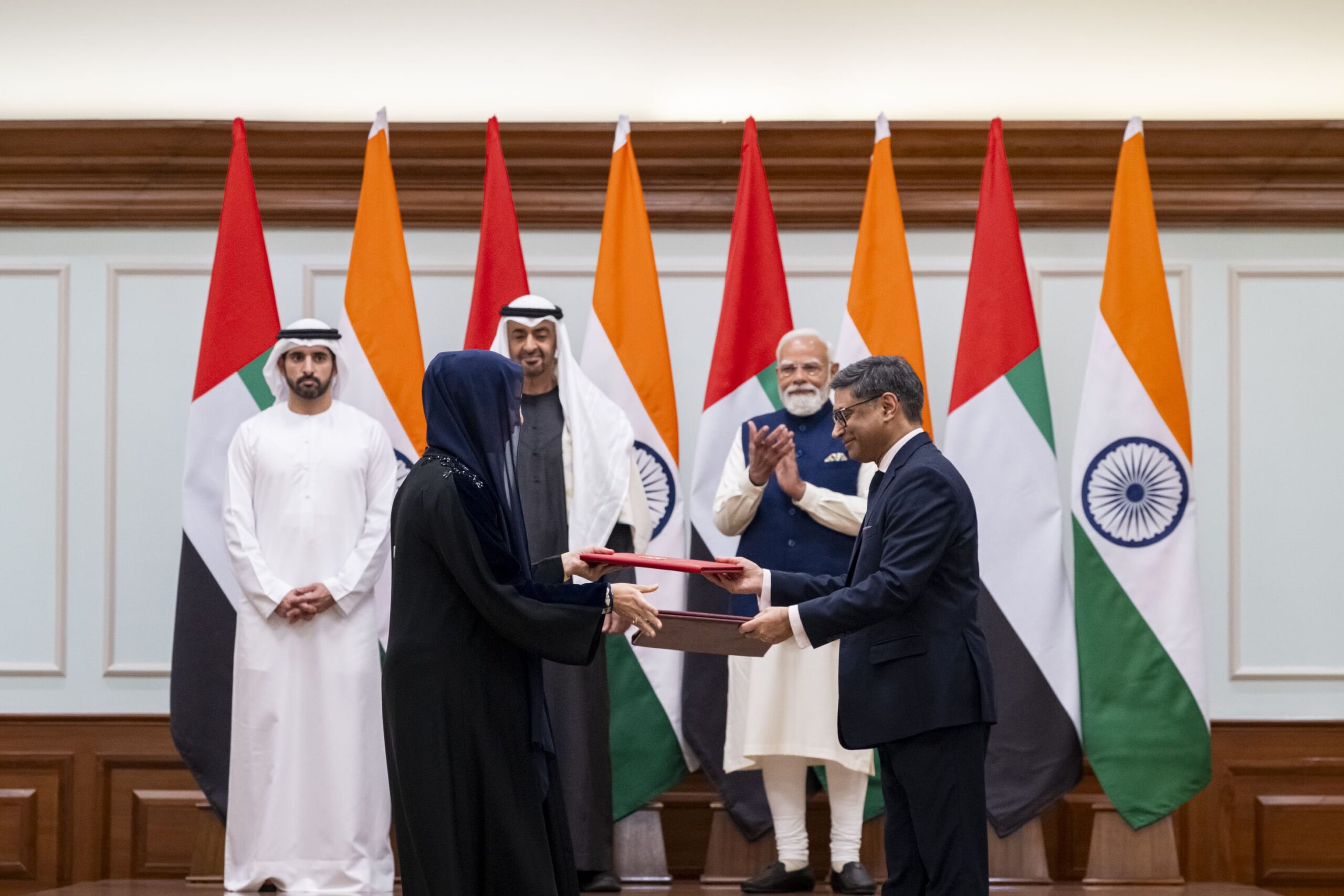
One of the most SME-relevant outcomes of the visit was the strengthening of cooperation in postal, express and logistics services. Two instruments were signed: a Joint Declaration of Intent between India’s Department of Posts and Germany’s Federal Ministry for Economic Affairs and Energy, and a Letter of Intent between India Post and Deutsche Post AG (DHL Group).
The partnership envisages joint premium international express products, including time-definite services that combine India Post’s extensive last-mile reach with DHL’s global logistics network. For MSMEs, startups, artisans and small exporters, this directly addresses a long-standing bottleneck: reliable, affordable and predictable international logistics.
Improved transit times, better shipment visibility and enhanced cross-border e-commerce capabilities align closely with India’s broader trade corridor and export promotion strategy.
Technology, Semiconductors and Critical Minerals
The visit reinforced the India-Germany Innovation and Technology Partnership, with progress across semiconductors, critical minerals, digitalisation, telecommunications and Industry 4.0.
A Joint Declaration of Intent on Semiconductor Ecosystem Partnership signals institutional collaboration across research, design, manufacturing and talent development. The opening of Infineon’s Global Capability Centre in GIFT City further reflects confidence in India’s technology ecosystem.
Similarly, cooperation on critical minerals addresses a strategic vulnerability shared by both economies, with joint exploration, processing, recycling and asset development emerging as future collaboration areas.
Green Corridors and Energy Transition
At the halfway mark of the Green and Sustainable Development Partnership, Germany has already committed or earmarked nearly €5 billion for climate and sustainability projects in India. These span renewable energy, green urban mobility, battery storage, hydrogen and climate-resilient infrastructure.
Progress on green hydrogen and green ammonia, including one of the largest offtake agreements under India’s National Green Hydrogen Mission, opens pathways for future export-oriented green value chains and low-carbon trade corridors.
Strategic Corridors and Global Alignment
The leaders reaffirmed their commitment to a free and open Indo-Pacific and announced a new bilateral consultation mechanism. Germany’s support for the India-Middle East-Europe Economic Corridor reinforces its relevance as a future backbone for trade, logistics and energy connectivity.
On global governance, both countries reiterated support for UN Security Council reform, counter-terrorism cooperation and coordinated climate action, reflecting a convergence that extends well beyond bilateral commerce.
What This Means for SMEs and Corporates
For SMEs and mid-sized enterprises, the significance of Chancellor Merz’s visit lies not in symbolism but in infrastructure, access and predictability. Defence industrial roadmaps, logistics partnerships, semiconductor collaboration and green energy frameworks collectively lower barriers to global participation.
For large corporates, the visit reinforces confidence in India–Germany complementarities, combining India’s scale and talent with Germany’s technological depth and capital strength.
As India positions itself as a trusted manufacturing and innovation partner in a fragmented global economy, the outcomes of this visit indicate that bilateral partnerships are becoming more operational, more corridor-driven and increasingly SME-inclusive.