




India–New Zealand FTA: Why This Trade Pact Matters and How It Can Shape the Future for SMEs
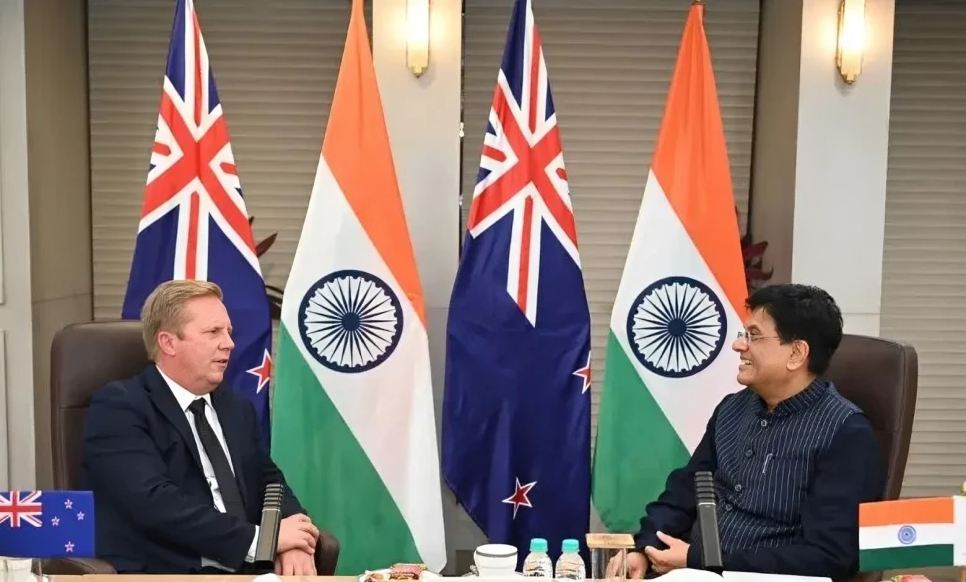
As India and New Zealand enter the fourth round of Free Trade Agreement (FTA) negotiations in Auckland (3-7 November 2025), the conversation has moved beyond diplomacy into strategic economics. This is no longer about symbolic goodwill it is about redesigning a trade relationship that can open premium markets for Indian manufacturers, enhance supply chain resilience for New Zealand and give MSMEs on both sides a tangible role in global commerce.
India’s engagement with New Zealand is part of a larger shift: moving from volume-based trade to value- and trust-based partnerships. Unlike traditional FTAs focused only on tariff reductions, this negotiation is centred on standards, digital trade, sustainable practices and supply chain cooperation factors that directly determine whether Indian SMEs can truly benefit.
Why This FTA Matters for India’s Economic Strategy
1. Market Access to High-Value, Quality-Driven Economy
New Zealand is not India’s largest trading partner, but it is a critical one for premium markets. Indian exports such as pharmaceuticals, auto components, refined petroleum, chemicals, textiles and machinery already have a foothold. Tariff concessions, faster customs clearance and alignment on product standards can help Indian exporters compete with European and Japanese suppliers.
For example, Indian pharmaceutical companies can benefit from smoother regulatory approval processes and mutual recognition of manufacturing standards reducing cost and time delays. Similarly, technical textile and engineering SMEs could tap into New Zealand’s manufacturing and agritech ecosystem.
2. Services, Talent Mobility and Education Linkages
New Zealand has growing demand for IT consulting, fintech services, software development, medical professionals and STEM educators areas where India is globally competitive. This FTA could institutionalize pathways for:
- Short-term work visas for Indian IT, healthcare and engineering professionals.
- Academic partnerships and credit recognition for Indian universities.
- Easier visa norms for Indian students, who already constitute one of the largest international student groups in New Zealand.
This aligns with India’s aspiration to become a global talent and digital services hub.
3. Supply Chain Diversification and SME Integration
New Zealand depends heavily on China and Australia for imports and exports. India offers a third, strategic option. For Indian SMEs, this means entry into the Australia-New Zealand supply chain in sectors like pharmaceutical inputs, packaging, nutraceuticals, herbal and wellness products, processed food ingredients and manufacturing components.
How New Zealand Benefits
1. Agricultural and Dairy Market Entry with Safeguards
New Zealand wants wider access for dairy, meat, wool, wine, fruits and horticulture products into India’s growing food market. But India’s dairy ecosystem operated by 70 million small farmers and cooperatives makes unrestricted imports politically and economically sensitive. A realistic solution would include tariff-rate quotas, phased liberalisation and strict rules of origin to prevent third-country routing.
2. Education, Tourism and Professional Services
New Zealand’s education sector relies heavily on international enrolments. The FTA could boost:
- Mutual recognition of degrees.
- Easier student visas and post-study work rights.
- Tourism flows, especially high-spending travellers from India for eco-tourism, medical travel and conferences.
3. Technology, Agritech and Clean Energy Partnerships
Beyond trade, both nations are exploring collaboration in:
- Dairy automation and precision agriculture.
- Food processing, traceability and cold-chain logistics.
- Green hydrogen, climate-smart farming and critical minerals.
What Could Be Agreed in This Round?
The fourth round of India-New Zealand FTA negotiations is expected to produce preliminary convergence on sectors where mutual interests are clearly aligned. Areas such as tariff reductions on agricultural products, dairy alternatives, pharmaceuticals, and textiles are likely to see significant discussions. While New Zealand seeks greater access for its high-value agricultural and dairy exports, India is pushing for tariff rationalisation on industrial goods, pharmaceuticals, engineering products and IT services. Negotiators from both sides are working toward defining tariff schedules, streamlining customs procedures and creating predictable market access terms.
Beyond tariffs, this round could also yield progress in regulatory cooperation, digital trade, and mutual recognition agreements for standards and certifications. Discussions on rules of origin for goods, labour mobility for professionals, and intellectual property rights may also move forward. Additionally, frameworks for environmental sustainability, digital governance and MSME cooperation are being explored to ensure that this agreement supports inclusive economic growth rather than simply enhancing trade volumes.
Risks and Pressure Points
Despite constructive progress, several structural challenges remain. New Zealand’s persistent demand for opening India’s dairy market poses a political and economic sensitivity, especially for India’s large base of small dairy farmers and cooperatives such as Amul. India, on the other hand, faces concerns regarding non-tariff barriers and stringent biosecurity standards used by New Zealand, which could limit the export potential of Indian products, especially in agriculture and manufacturing. Sensitive sectors such as horticulture, processed food and seafood remain under tight scrutiny due to strict compliance requirements.
Another pressure point lies in balancing trade deficits and domestic industry protection. India will be cautious about commitments that may disproportionately benefit New Zealand’s advanced agricultural sector at the cost of small Indian producers. In return, New Zealand seeks stronger commitments on services, skilled labour entry, and intellectual property protections. If these issues are not carefully negotiated, there is a risk of domestic pushback in both countries, delaying the agreement or decreasing its long-term viability.
What India Must Secure to Make This FTA SME-Friendly
For the FTA to translate into real benefits for Indian MSMEs, India must push for simplified compliance frameworks, lower non-tariff barriers, and clear rules of origin that favour local manufacturing. Harmonisation of product standards, phytosanitary requirements, and digitisation of customs documentation will be critical in reducing transaction costs for small exporters. India should also negotiate dedicated support mechanisms for MSMEs such as capacity-building initiatives, access to New Zealand’s retail supply chains, and joint platforms for B2B networking.
Market access in services must also prioritise sectors such as IT, fintech, healthcare, education, and tourism, where Indian SMEs are globally competitive. India should secure provisions for easier business visas, recognition of professional qualifications, and opportunities for startups in emerging sectors like agri-tech, food processing, and renewable energy. Additionally, a cooperation chapter focused on innovation, technology transfer, and climate-friendly trade practices will ensure that MSMEs are not merely spectators but active beneficiaries of this partnership.
From Trade Agreement to Strategic Partnership
The India–New Zealand FTA has the potential to become a new-model agreement one that balances farmer safeguards with industrial growth, services exports with immigration sensitivities and tariff reductions with regulatory trust.
For India’s SMEs, this is not about selling more it is about selling smarter: high-quality, compliant, traceable products and services to a premium market. If negotiated with precision, this FTA can strengthen India’s positioning in the Indo-Pacific, diversify markets beyond China and the EU and empower small businesses to operate on global standards.