




India Accelerates Pharma Manufacturing Build-Out with New Drug Parks, Strong PLI Gains and Export-Ready Reforms
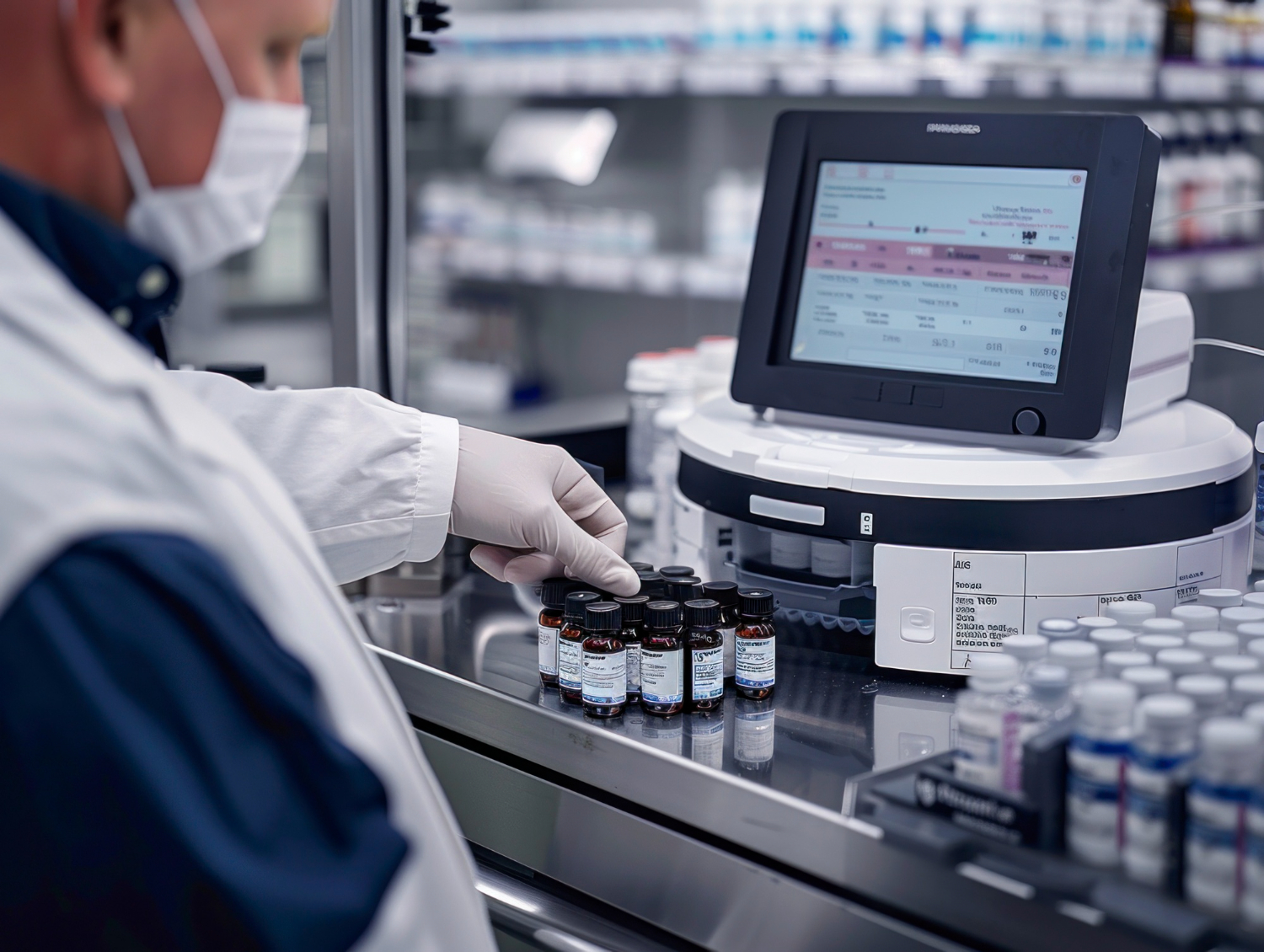
India’s pharmaceutical manufacturing agenda is entering a decisive phase, with new bulk drug and medical device parks advancing across six states and flagship PLI schemes delivering substantial investment and production gains. The combined momentum reflects a deliberate policy shift toward strategic self-reliance, supply-chain resilience and export expansion at a time when global pharma ecosystems are undergoing sharp geopolitical and financial realignments.
New Drug and Device Parks Strengthen India’s Industrial Base
Under the Department of Pharmaceuticals’ scheme for Promotion of Bulk Drug Parks, major projects in Bharuch (Gujarat), Una (Himachal Pradesh) and Anakapalli (Andhra Pradesh) are progressing, supported by shared infrastructure such as solvent recovery units, effluent treatment, testing labs and logistics services. These parks are expected to reduce India’s long-term dependence on imported key starting materials and APIs by lowering input costs and improving quality control.
Parallel investments under the Medical Device Parks scheme in Greater Noida, Ujjain and Kanchipuram aim to curb the heavy import reliance that has historically exposed India’s medical technologies sector to currency volatility and global supply disruptions. By localising device manufacturing and deepening value addition, the parks are positioned to create a more predictable and competitive domestic ecosystem.
PLI Schemes Deliver Strong Capital Inflows and Output Gains
Two major Production Linked Incentive schemes continue to reshape India’s pharmaceutical and API manufacturing landscape.
The PLI Scheme for Bulk Drugs, with an outlay of ₹6,940 crore, has already attracted ₹4,763 crore in investments against a six-year commitment of ₹4,329 crore. Production capacities have been established for 26 KSMs, drug intermediates and APIs previously dependent on imports, enabling cumulative sales of ₹2,315 crore and exports worth ₹508 crore. Import avoidance of ₹1,807 crore illustrates the financial impact of localised capacity, especially during periods of global supply tightness.
The PLI Scheme for Pharmaceuticals is generating even broader results. Against a committed investment of ₹17,275 crore, cumulative deployment has surged to ₹40,890 crore in less than four years. Eligible product sales under the scheme have touched ₹3.15 lakh crore, including exports of ₹2.02 lakh crore, reflecting strong global demand for Indian-made high-value formulations, biosimilars and complex generics. Domestic sales of KSMs and APIs under this scheme now stand at ₹26,123 crore, underscoring deeper backward integration. The manufacturing of 726 components, including 191 for the first time, signals a tangible shift toward high-technology capabilities.
Geopolitics Is Redrawing the Global Pharma Map
Global pharmaceutical supply chains are undergoing reconfiguration as geopolitical tensions, regulatory pressures and concentration risks reshape sourcing strategies. Countries across the US, EU, Japan and Southeast Asia are incentivising diversification away from single-source dependencies. India, traditionally a bulk supplier of generics but heavily dependent on China for raw materials, now has an opportunity to emerge as a preferred partner for resilient, multi-origin supply strategies.
The ongoing investment in API and device parks helps India hedge against future disruptions related to trade sanctions, maritime chokepoints, currency shocks or export restrictions. As nations reassess supplier risk based on resilience and reliability, India’s moves to localise inputs and strengthen compliance infrastructure strengthen its long-term geopolitical positioning.
Financial and Export Policy Reforms Strengthen the Ecosystem
The Export Promotion Mission announced in the Union Budget 2025-26 adds a financing and compliance backbone to India’s manufacturing shift. The introduction of digital export-readiness tools through the Directorate General of Foreign Trade, complemented by affordable trade finance access for SMEs, addresses long-standing bottlenecks for smaller pharmaceutical exporters.
This aligns with broader financial reforms that support lower capital costs and improved credit access for companies modernising their manufacturing lines. As interest rate regimes tighten in several advanced economies, India’s combination of localised input production, supportive credit mechanisms and a favourable policy environment enhance its global cost competitiveness.
Implications for SMEs
The convergence of new parks, PLI-linked incentives and export-enablement programmes is creating an environment where SMEs can integrate more easily into higher-value pharmaceutical supply chains. With greater domestic availability of KSMs and APIs, SMEs benefit from lower input volatility, reduced forex exposure and more predictable procurement cycles.
Access to shared testing, certification and industrial infrastructure in the upcoming parks lowers entry barriers for smaller manufacturers. Combined with expanded export support, these developments open pathways for SMEs to participate in regulated market supply, contract manufacturing opportunities and niche therapeutic categories that were previously dominated by larger players.
A Stronger Strategic Position for India
As global buyers diversify their sourcing and as regulatory expectations rise, India’s pharmaceutical manufacturing renaissance is gaining structural depth. The next phase will hinge on sustaining investment momentum, accelerating park completion and ensuring that innovation, quality and compliance remain at the core of growth. Together, the reforms position India to strengthen its role as a dependable global manufacturing hub while building a more resilient foundation for domestic industry and export competitiveness.