




Rajkot: Gujarat’s Rising SME Powerhouse – In-Depth Analysis
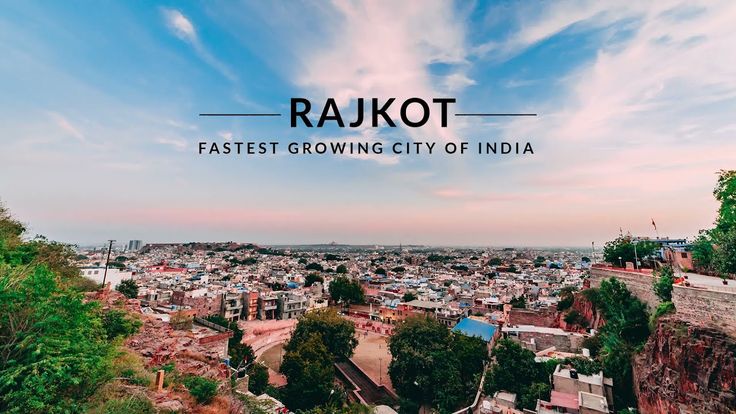
Rajkot, situated in the heart of Gujarat, has long been recognized for its industrial heritage, particularly in traditional manufacturing, engineering and jewellery craftsmanship. In recent years, the city has rapidly evolved into a vibrant SME ecosystem, blending legacy skills with modern technology adoption. Supported by state policies, robust infrastructure, entrepreneurial culture and a growing startup environment, Rajkot is increasingly attracting attention as a Tier-2 city with significant SME potential. This article delves into the factors shaping Rajkot’s SME landscape, the sectors driving growth, challenges to watch and future pathways for development.
Strategic Vision and Policy Support
The Gujarat state government has been instrumental in creating a pro-business environment that nurtures SMEs in Rajkot. Initiatives such as the Gujarat Industrial Policy 2020-25 focus on easing industrial setup, promoting technology adoption and providing fiscal incentives for small and medium enterprises. The MSME Support Scheme offers credit guarantees, subsidized interest rates and assistance for technology upgradation. Additionally, the state’s focus on cluster-based industrialization allows SMEs in Rajkot to benefit from shared facilities, common manufacturing units and sector-specific support that reduces operational costs and accelerates productivity.
These policy frameworks are complemented by government-backed incubation centres, skill development programs and partnerships with technical institutes, ensuring that Rajkot’s SMEs have both regulatory support and access to a skilled workforce. The strategic vision aims to position Rajkot not only as a manufacturing hub but also as a city fostering innovation-driven entrepreneurship.
Sectoral Landscape Driving SME Growth
Engineering and Machine Tools: Rajkot’s legacy in precision engineering and machine tools continues to anchor the local SME landscape. Small enterprises manufacture automotive components, CNC machinery and industrial equipment for domestic and international markets. Adoption of automation, AI-driven quality controls and Industry 4.0 practices allows these SMEs to meet global standards while improving operational efficiency.
Gems and Jewellery Manufacturing: Rajkot is renowned for its SME-led jewelry manufacturing units producing gold, silver, and semi-precious artifacts. SMEs increasingly leverage digital design tools, e-commerce platforms and sustainable sourcing practices to expand market reach, attract international clients and maintain competitive advantage.
Textiles and Apparel: Building on its traditional cotton production and artisan skills, Rajkot’s textile SMEs focus on embroidery, technical fabrics, and value-added products. Integration of digital marketing, online retail, and AI-enabled inventory management helps these enterprises scale beyond regional markets while maintaining quality craftsmanship.
Food Processing and Agro-Based SMEs: Proximity to fertile agricultural belts supports thriving agro-based SMEs engaged in packaged foods, dairy, and beverages. Access to shared cold storage, logistics infrastructure, and compliance laboratories enables small businesses to meet export standards and enhance product quality.
Renewables and Sustainable Manufacturing: SMEs in Rajkot are increasingly exploring solar and wind energy solutions, eco-friendly packaging and green manufacturing processes, aligning with both government incentives and consumer demand for sustainability.
Infrastructure and Connectivity
Rajkot benefits from well-developed industrial infrastructure. The city houses several industrial estates, SEZs, and cluster-based manufacturing hubs, providing SMEs access to ready-to-use sheds, common facilities, and plug-and-play services. The Rajkot Airport, with domestic connectivity and growing cargo handling capabilities, facilitates both trade and logistics. Key national highways connect Rajkot to Ahmedabad, Mumbai and other industrial centers, while the railway network ensures efficient movement of goods.
Urban development initiatives, including smart city projects, are enhancing industrial-urban integration, offering SMEs modern business amenities and tech-enabled civic services. Rajkot’s growth in co-working spaces, incubation centres and innovation labs provides a fertile ground for startups and SMEs to scale efficiently while experimenting with Industry 4.0 solutions.
Human Capital and Skill Development
A skilled workforce is critical to Rajkot’s SME success. Technical institutes, polytechnics, and vocational centres produce engineers, technicians and IT professionals ready for SME needs. The city fosters entrepreneurship through startup incubators, mentorship programs and innovation labs focused on digital skills, management capabilities and operational excellence.
SMEs are increasingly investing in technology adoption, including AI-driven analytics, automation and digital tools for operations, marketing and supply chain management. Government schemes subsidize such upgrades, enabling even micro and small enterprises to modernize production and enhance competitiveness.
Industry Associations Driving SME Growth
The Rajkot Engineering Association (REA) plays a vital role in shaping the city’s SME ecosystem. REA provides advocacy, training, networking opportunities and trade facilitation support for small engineering enterprises. Through collaboration with government bodies, REA helps SMEs gain access to financial incentives, technology upgradation schemes and export promotion initiatives.
Similarly, the Gujarat SME Development Council and Rajkot Chamber of Commerce & Industry act as platforms for policy advocacy, knowledge sharing and mentoring for SMEs across sectors. These associations support digital adoption, assist in regulatory compliance and facilitate collaboration between startups, large corporations and academic institutions. Their efforts strengthen Rajkot’s SME competitiveness on a national and global scale.
Challenges Facing Rajkot’s SME Ecosystem
Despite the progress, Rajkot’s SME landscape faces several challenges. Land scarcity and high utility costs remain pressing issues, particularly for smaller firms attempting to expand. Access to formal finance is another hurdle, as micro and small enterprises often lack collateral or credit history, limiting their ability to secure loans for growth or modernization.
Regulatory compliance is also a concern. SMEs must navigate environmental regulations, quality certifications and labour laws, which can be resource intensive. Furthermore, technology adoption gaps persist, with many enterprises operating with legacy machinery and limited digital integration. Export-oriented SMEs face challenges in meeting international standards, logistics efficiency and market access.
Finally, while Rajkot has a strong artisan and technical workforce, there is a shortage of advanced skills in R&D, product design, quality assurance and supply chain management, which are increasingly vital for high-value manufacturing and innovation-led growth.
Strategic Pathways for Growth
To unlock Rajkot’s full SME potential, several strategic interventions are necessary. Strengthening cluster-based common facilities for testing, prototyping and export readiness will enable SMEs to compete globally. Streamlining digital single-window systems for approvals, utilities, and regulatory clearances will reduce operational delays.
Promoting green and sustainable manufacturing practices through subsidies and knowledge support can help SMEs adopt eco-friendly solutions without increasing costs. Expanding market access through trade facilitation, export promotion schemes and international partnerships will allow SMEs to diversify revenue streams and scale.
Investing in advanced skill development, particularly in R&D, design and supply chain management, will prepare the workforce for higher-value industrial activity. Encouraging public-private-academia partnerships for technology development and process innovation can drive SME competitiveness and adoption of Industry 4.0 solutions.
Financial inclusion is another key area. Simplifying credit access, offering risk guarantees, and integrating fintech solutions for working capital and trade finance can empower micro and small enterprises to invest in growth and innovation without over-reliance on informal lending.
Recent Developments and Investment Trends
Rajkot has witnessed significant developments that reinforce its SME growth trajectory. New district-level industrial parks and SEZ expansions are being planned to accommodate micro and small enterprises. Several MoUs worth over ₹4,500 crore have been signed in sectors such as engineering, textiles and food processing, promising job creation and skill development. Investments in smart city infrastructure, exceeding ₹2,500 crore, are enhancing logistics, connectivity, and industrial efficiency. Collaborations with financial institutions, fintech platforms, and trade facilitation bodies are creating new avenues for SMEs to access credit, optimize operations, and expand into global markets.
The Road Ahead
Rajkot stands at a pivotal stage in its SME journey. With a solid policy framework, growing infrastructure, skilled workforce and entrepreneurial culture, it has the ingredients to become one of India’s leading SME hubs. Realizing this potential requires coordinated efforts to streamline approvals, enhance export competitiveness, modernize technology and foster sustainable growth.
The city’s SMEs are poised to leverage innovation, digital adoption and policy support to expand locally and internationally. Rajkot can emerge as a model for SME-driven industrial growth, demonstrating how Tier-2 cities can combine tradition, technology and strategic vision to create employment, drive exports and contribute significantly to India’s economic development.