




MSMEs at the Core: Why the India-New Zealand FTA Matters
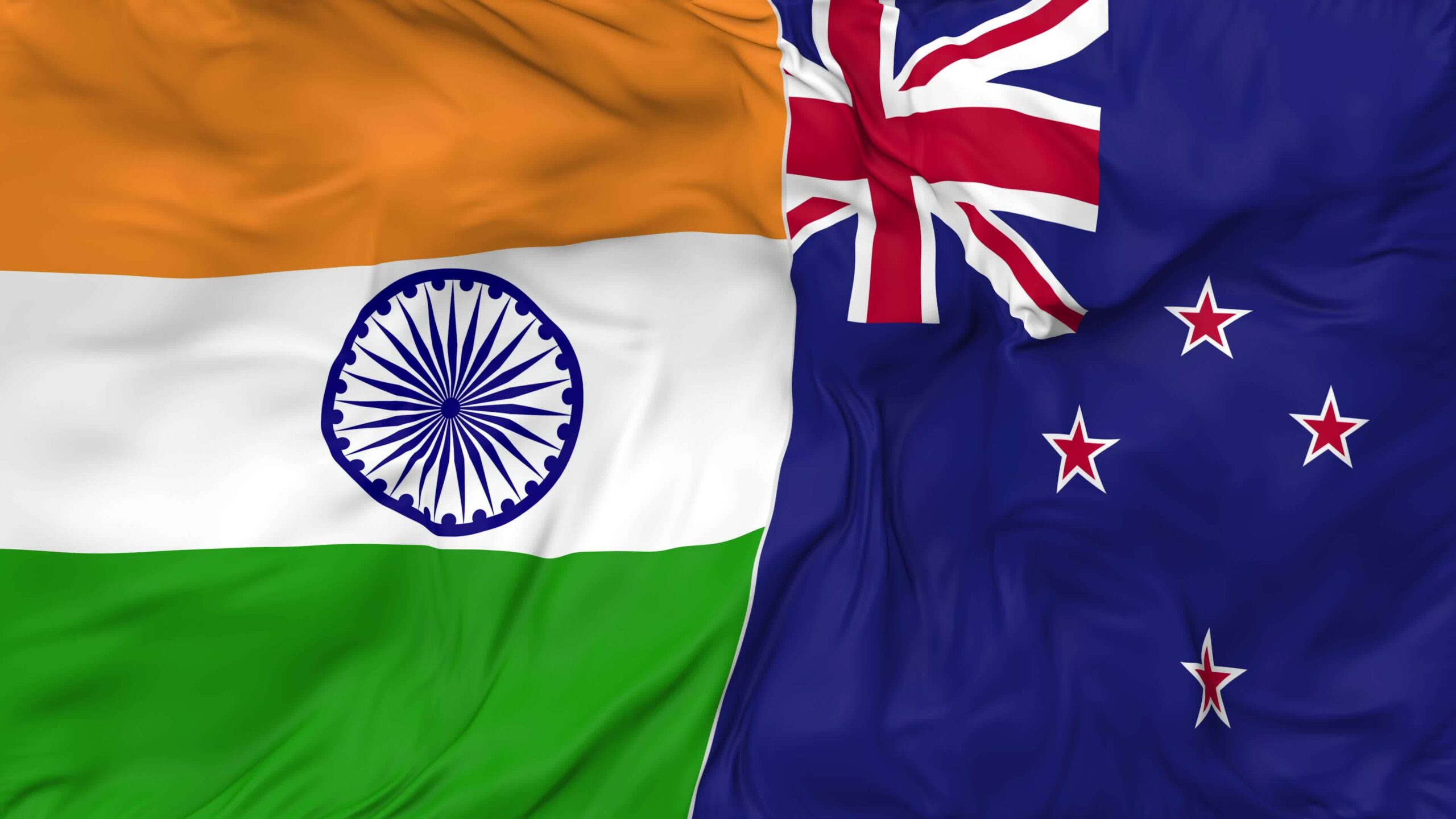
India’s accelerating free trade agreement (FTA) strategy is beginning to translate into tangible economic positioning, even as global trade remains fragmented by geopolitical tensions, supply chain shifts and protectionist tendencies. In recent years, India has concluded nine trade agreements spanning 38 developed economies, signalling a calibrated push to diversify export markets and embed Indian enterprises deeper into global value chains. Against this backdrop, the signing of the India-New Zealand Free Trade Agreement marks a decisive shift from incremental trade liberalisation to a more integrated, future-oriented economic partnership.
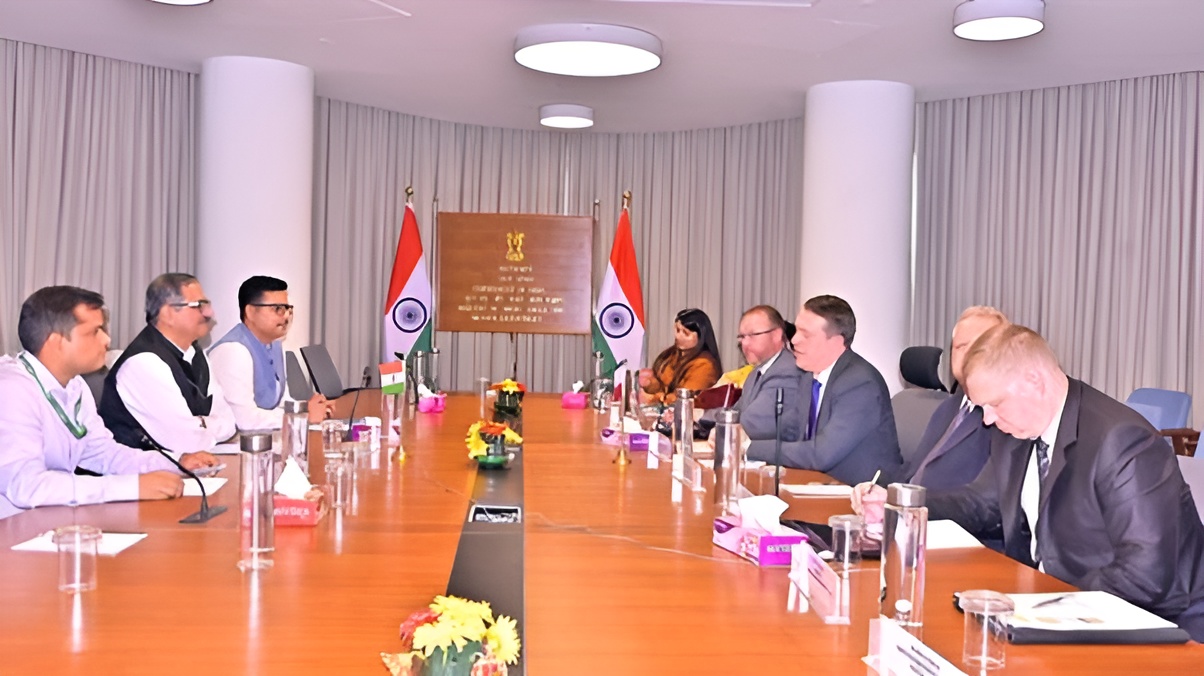
Concluded in a record nine months, one of the fastest FTAs negotiated by India with a developed economy, the agreement reflects both urgency and strategic clarity. Signed at Bharat Mandapam, New Zealand’s Trade Minister Todd McClay described it as a “once-in-a-generation” opportunity. The characterisation is well-founded. The pact goes beyond tariff reduction to integrate trade with investment flows, talent mobility, regulatory convergence and sectoral cooperation, positioning MSMEs not as peripheral beneficiaries but as central drivers of bilateral growth.
Unprecedented Market Access for MSMEs
At the heart of the agreement lies a transformative market access framework. India secures 100 percent duty-free access across all tariff lines in the New Zealand market from the day the agreement comes into force. This eliminates previously applicable tariffs of up to 10 percent on key products such as ceramics, carpets, auto components and engineering goods.
For MSMEs operating in labour-intensive sectors including textiles, leather, footwear, gems and jewellery, engineering goods and processed foods, this creates an immediate price competitiveness advantage. More importantly, it provides access to a high-value developed market under predictable and rules-based conditions.
An often underemphasised dimension is India’s access to duty-free inputs such as wooden logs, coking coal, and metal scrap, which directly lowers production costs. For MSMEs navigating tight margins, this input-side competitiveness is as critical as export market access, strengthening their ability to integrate into global supply chains.
Calibrated Liberalisation with Built-in Safeguards
A defining feature of the agreement is its calibrated approach to liberalisation. India has opened 70.03 percent of tariff lines, covering 95 percent of New Zealand’s trade value, while maintaining exclusions for nearly 30 percent of sensitive sectors, including dairy, edible oils, onions, sugar and key agricultural commodities.
The agreement incorporates Tariff Rate Quotas (TRQs), Minimum Import Prices (MIPs), and bilateral safeguard mechanisms, ensuring that market access expansion does not destabilise domestic industries or rural livelihoods. Products such as apples, kiwifruit and Mānuka honey are governed through structured quotas linked to productivity frameworks.
For MSMEs, this balance is critical. It ensures that export growth opportunities are not offset by disruptive import competition in vulnerable segments, creating a stable and predictable trade environment.
Services, Mobility and the Talent Economy
The FTA’s services architecture represents one of its most significant breakthroughs. New Zealand has committed market access across 118 service sectors, including computer-related services, professional services, telecommunications, construction, financial services and tourism, alongside Most-Favoured Nation commitments in 139 sub-sectors.
This opens a substantial opportunity for India’s services-led MSMEs and startups to scale globally. Complementing this is a structured mobility framework. The agreement introduces a 5,000-strong Temporary Employment Entry visa pathway, allowing Indian professionals to work in New Zealand for up to three years across sectors such as IT, healthcare, education and construction.
Equally transformative are the student mobility provisions. For the first time, New Zealand has created a dedicated framework with no numerical caps on Indian students, offering post-study work rights of up to three years for STEM graduates and four years for doctoral candidates. This deepens long-term talent linkages and facilitates knowledge transfer, a critical enabler for innovation-driven MSMEs.
Investment, Innovation and Ecosystem Expansion
The agreement is reinforced by a USD 20 billion investment commitment over 15 years, spanning agriculture, manufacturing, infrastructure, startups and emerging technologies. This is complemented by provisions for research collaboration, technology transfer and skill development.
A notable inclusion is the rebalancing clause, designed to address any shortfall in investment delivery, signalling a results-oriented framework rather than a purely declaratory commitment.
For MSMEs, these investments translate into access to capital, integration into global value chains and exposure to advanced technologies. Structured cooperation mechanisms further support startups, women-led enterprises and innovation ecosystems.
Regulatory Convergence and Trade Facilitation
Regulatory friction often poses a greater barrier than tariffs for MSMEs. The FTA addresses this through significant convergence measures. It enables acceptance of GMP and GCP inspection reports from global regulators such as the US FDA, EMA and UK MHRA, reducing duplication and accelerating market access for pharmaceuticals and medical devices.
Trade facilitation provisions are equally robust. The agreement commits to 48-hour cargo clearance timelines, 24-hour clearance for perishable goods, paperless customs systems and single-window mechanisms. These reduce transaction costs and enhance predictability for exporters.
Dedicated Sanitary and Phytosanitary (SPS) and Technical Barriers to Trade (TBT) chapters further streamline certification processes, enabling Indian exporters to meet high regulatory standards in developed markets.
A Broad-Based State-Level Impact
The agreement’s impact is expected to be geographically widespread. Key exporting states including Maharashtra, Tamil Nadu, Gujarat, Uttar Pradesh, Karnataka and West Bengal stand to benefit across sectors such as pharmaceuticals, textiles, engineering goods and agriculture. Coastal states and the North-East are also positioned to gain through marine exports and organic produce.
This decentralised growth model reinforces MSMEs as the backbone of India’s export ecosystem, linking regional clusters to global markets.
Execution Will Define Outcomes
With bilateral trade currently at USD 1.3 billion and growing at 49 percent, the FTA provides a strong platform for expansion. However, its success will depend on execution, awareness and the ability of MSMEs to leverage new opportunities.
The India-New Zealand FTA signals a structural shift in India’s trade strategy, from transactional agreements to ecosystem-driven partnerships. It integrates tariffs, talent, technology and trust into a single framework aligned with the vision of Viksit Bharat 2047.
For MSMEs, the opportunity is substantial, but so is the expectation. Competitiveness will increasingly depend on quality, compliance and global integration. In that sense, this agreement is not merely a bilateral trade pact. It is a blueprint for how India intends to position its MSME sector in the next phase of global trade expansion.