




UAE Expands Logistics Coordination with Nigeria to Stabilise Trade Flows
The United Arab Emirates is strengthening logistics coordination with Nigeria as part of a broader effort to maintain trade continuity amid persistent global supply chain disruptions.
The initiative was outlined during a high-level meeting in Dubai led by Thani bin Ahmed Al Zeyoudi, UAE Minister of Foreign Trade, and convened by the Ports, Customs and Free Zone Corporation. The meeting brought together shipping executives and maritime stakeholders to address operational bottlenecks and review measures to improve cargo movement between the two regions.
Officials indicated that the UAE is working on a set of targeted interventions, including the development of alternative trade corridors, refinements in customs procedures and closer coordination with logistics operators. The objective is to reduce delays, improve cargo visibility, and ensure smoother transit across key routes.
The focus on logistics comes at a time when global trade networks continue to face disruptions from geopolitical tensions, route diversions and congestion at major transshipment hubs. These pressures have increased freight costs and created uncertainty around delivery timelines, particularly for economies dependent on stable import channels.
Nigeria, one of Africa’s largest economies and a key maritime gateway in West Africa, remains closely linked to these developments. According to government estimates, the country recorded a trade surplus of approximately ₦113 trillion in 2025, equivalent to around $70 billion. While this reflects strong export performance, largely driven by hydrocarbons, it also underscores the country’s reliance on efficient logistics networks to sustain imports of industrial inputs and consumer goods.
Senior UAE officials highlighted progress in improving cargo flows through coordinated action with industry stakeholders. Measures under consideration include streamlined transit procedures, expanded use of alternative guarantees for shipments and enhanced engagement with traders to address operational constraints.
Authorities are also piloting an Advance Cargo Information system aimed at enabling pre-arrival processing of shipments. In parallel, a new maritime feeder service linking the region with India is being evaluated to strengthen connectivity and reduce dependence on congested routes.
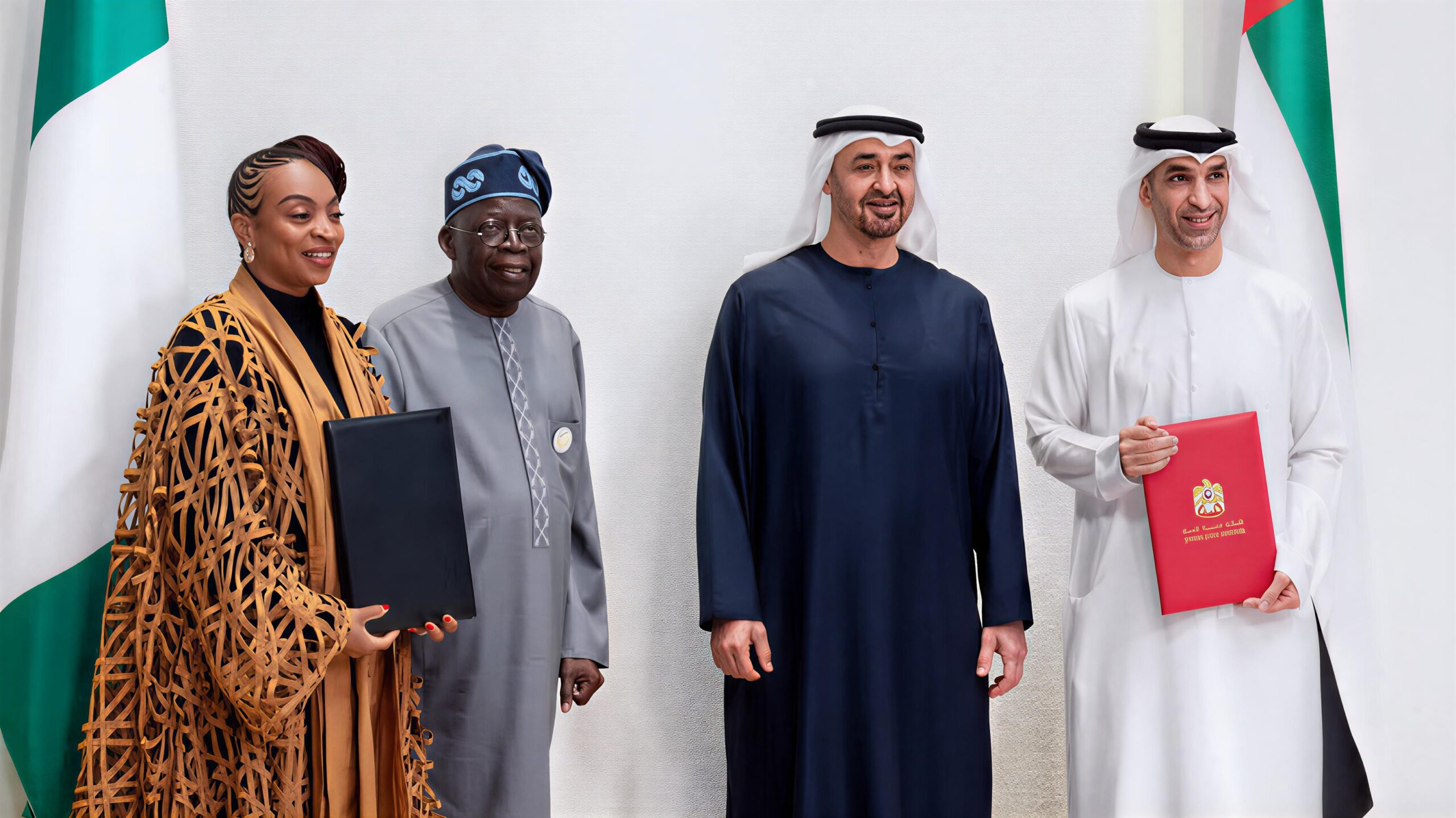
The developments follow the signing of the Comprehensive Economic Partnership Agreement between the UAE and Nigeria, which is expected to facilitate duty-free trade and expand investment flows. The current focus on logistics infrastructure and customs coordination is intended to support the effective implementation of this agreement.
For Nigeria, improved integration with Gulf-based logistics systems could help mitigate supply chain risks and stabilise trade flows. For the UAE, the initiative aligns with its ongoing efforts to strengthen its role as a global logistics and trade hub with deeper linkages to African markets.
The discussions reflect a more operational approach to trade policy, where continuity of cargo movement and efficiency of logistics systems are being treated as central to economic engagement.