



India-Ecuador Trade Corridor: A Quiet Opportunity Gathering Momentum for SMEs
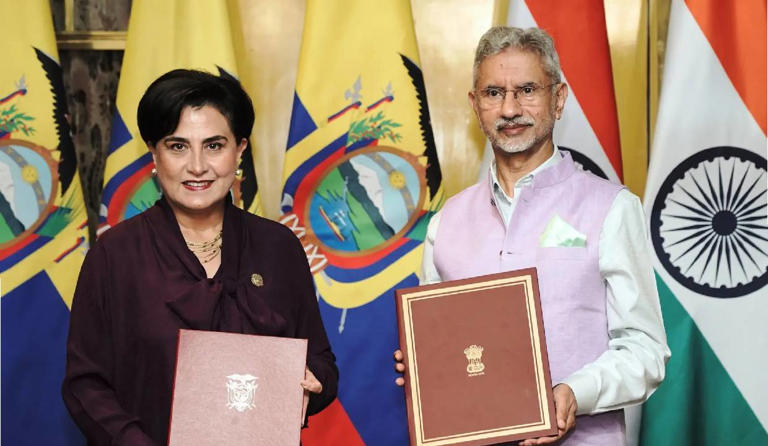
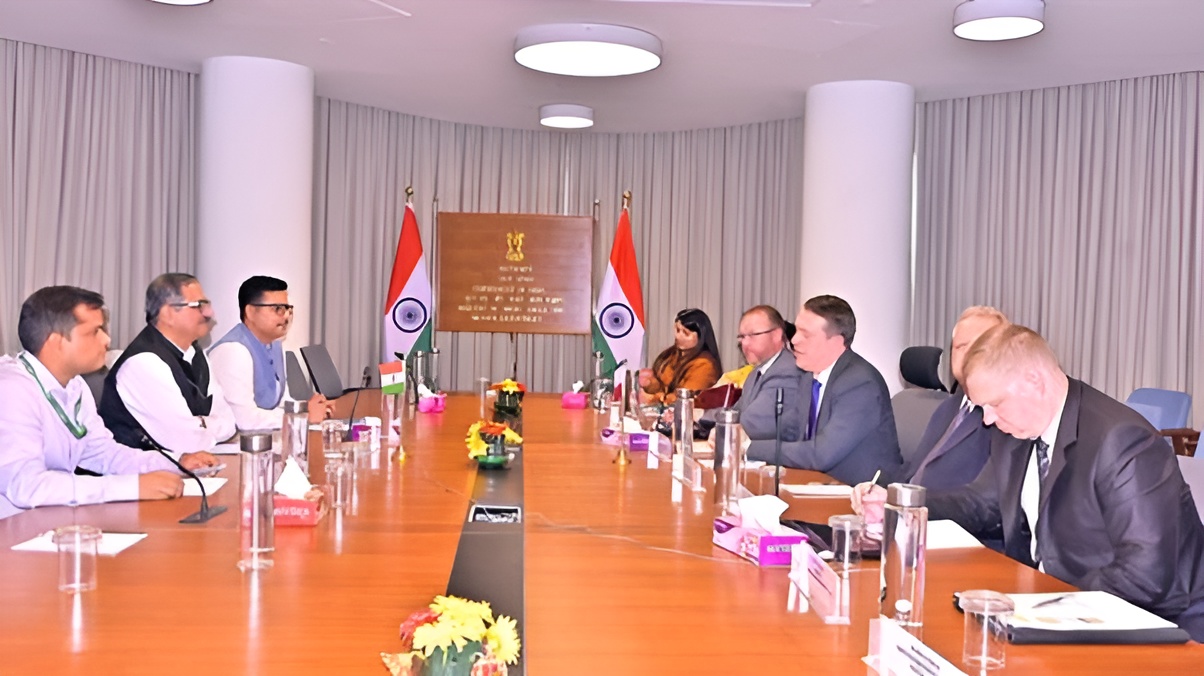
The recent engagement between S. Jaishankar and Gabriela Sommerfeld signals more than routine diplomacy. The exploration of a preferential trade agreement between India and Ecuador, alongside cooperation in healthcare, agriculture, and digital technology, points to the early architecture of a new trade corridor, one that could be disproportionately beneficial for small and medium enterprises (SMEs).
While the bilateral relationship remains underdeveloped relative to India’s larger trade partnerships, the numbers suggest that the opportunity is not hypothetical it is measurable.
Trade by the Numbers: Small Base, High Potential
India-Ecuador bilateral trade stood at approximately USD 1.26 billion in 2023-24, before declining to around USD 668 million in 2024-25. The contraction, largely driven by global commodity cycles, particularly fluctuations in crude oil and agricultural exports does not indicate structural weakness. Instead, it reflects the volatility inherent in commodity-led trade.
What is more important is the composition and direction of trade.
India’s imports from Ecuador are heavily concentrated in crude oil, which accounts for nearly 70–75% of total imports, followed by agricultural commodities such as shrimp, bananas, and cocoa. On the export side, India’s shipments to Ecuador are more diversified, led by pharmaceuticals, engineering goods, textiles, chemicals and two-wheelers.
This asymmetry highlights a key insight: while Ecuador’s exports to India are resource-driven, India’s exports are value-added. For SMEs, value-added exports typically offer higher margins and scalability.
Why the Trade Corridor Matters Now
Latin America accounts for less than 3% of India’s total global trade, despite being a region with a combined GDP exceeding USD 5 trillion. Ecuador’s GDP, at approximately USD 120 billion, may appear modest, but its strategic value lies in its location and resource base.
Ecuador provides access to the Pacific trade ecosystem, including linkages to markets such as Chile, Peru and Mexico. For Indian SMEs, entering Ecuador is not just about one market it is about regional positioning.
The proposed preferential trade agreement could act as a catalyst by reducing tariffs that currently range between 5% and 20% on several product categories, particularly in pharmaceuticals, machinery and processed goods. Even a modest tariff reduction could significantly improve price competitiveness for Indian exporters.
Sectoral Opportunities Backed by Data
Pharmaceuticals and Healthcare: A Demand-Supply Gap
Ecuador imports a substantial portion of its pharmaceutical needs, with over 80% of medicines sourced internationally. India, as one of the world’s largest producers of generic drugs, is well positioned to bridge this gap.
India’s pharmaceutical exports globally exceed USD 25 billion annually, yet its share in Ecuador remains limited. Even a marginal increase in market penetration could translate into significant export growth for Indian SMEs operating in generics, APIs and medical devices.
Agriculture and Food Trade: Complementary Strengths
Ecuador is one of the world’s largest exporters of bananas and shrimp, with annual exports exceeding USD 10 billion in agricultural products. India, with a population of over 1.4 billion and rising consumption patterns, represents a large and growing market for such imports.
At the same time, India’s agro-processing sector valued at over USD 400 billion offers technology and expertise that Ecuador can leverage. SMEs in food processing, cold chain logistics, and packaging stand to benefit from this exchange.
Engineering and Manufacturing: Untapped Export Potential
India’s engineering exports, which exceed USD 100 billion globally, have relatively low penetration in Ecuador. Products such as auto components, machinery and electrical equipment can find demand in Ecuador’s infrastructure and industrial sectors.
For SMEs, this represents an opportunity to enter a market where competition from established Indian exporters is still limited, allowing for easier entry and brand establishment.
Digital and Technology Services: A Borderless Opportunity
India’s IT and digital services exports are valued at over USD 150 billion, yet Latin America remains an underpenetrated region. Ecuador’s increasing focus on digital governance, fintech, and e-commerce opens new avenues for Indian SMEs in software services and digital solutions.
Unlike traditional trade, digital services are less constrained by logistics, making them particularly attractive for smaller firms.
SMEs at the Core of the Opportunity
India’s SME sector contributes nearly 30% to GDP and over 45% to exports, making it a critical driver of economic growth. However, a large portion of SME exports is concentrated in a few established markets.
The India-Ecuador corridor offers a chance to diversify export destinations, reduce dependency on traditional markets, and build resilience against global demand shocks.
Ecuadorian SMEs, similarly, can benefit from access to India’s vast market and technological capabilities. The partnership, therefore, is not just bilateral it is bi-directional in opportunity creation.
Bridging the Gaps: Challenges in Numbers
Despite the potential, certain structural challenges remain. Logistics costs for India-Latin America trade can be 15-20% higher than trade with Europe or Southeast Asia, primarily due to distance and limited direct shipping routes. Transit times can extend beyond 30-40 days, impacting inventory cycles for SMEs.
Awareness is another constraint. Surveys indicate that less than 10% of Indian SMEs actively explore Latin American markets, largely due to information gaps and perceived risks.
However, these barriers are typical of early-stage corridors and tend to reduce as trade volumes increase and institutional support strengthens.
The Strategic Outlook: From Potential to Policy
The discussion around a preferential trade agreement is significant because it signals intent. Historically, India’s trade agreements have led to double-digit growth in bilateral trade within 3-5 years of implementation.
If a similar trajectory unfolds for India-Ecuador, bilateral trade could realistically cross USD 2-3 billion in the medium term, creating a much larger ecosystem for SME participation.
Beyond tariffs, the success of this corridor will depend on enabling measures trade facilitation, export financing, digital trade platforms and business-to-business engagement.
Conclusion: Reading Between the Numbers
At first glance, India-Ecuador trade may appear small in absolute terms. But the data tells a different story one of low penetration, high complementarity and significant headroom for growth.
For SMEs, the most valuable opportunities are rarely in saturated markets. They lie in corridors that are still forming, where early entrants can shape demand, build relationships and establish presence.
The India-Ecuador partnership is at that stage today. It is not yet crowded, not yet fully defined and that is precisely why it matters.