



Bhiwadi–Alwar: The Crossroads Where NCR’s Manufacturing Push Meets SME Scale
India’s manufacturing ambitions are increasingly being shaped not only inside major metros, but also across the industrial belts quietly expanding around them. Few regions capture this transition more vividly than the Bhiwadi–Alwar corridor in Rajasthan, a geography that has evolved from a peripheral industrial extension of Delhi NCR into one of North India’s most strategically positioned SME manufacturing ecosystems.
Stretching across the Rajasthan-Haryana boundary and feeding into the Delhi–Mumbai Industrial Corridor (DMIC), the belt today represents a deeper structural shift in Indian manufacturing. As land, compliance costs and congestion continue to pressure traditional industrial centres within Delhi NCR, manufacturing activity is gradually moving outward into adjacent clusters capable of offering scale, connectivity and operational flexibility. Bhiwadi and Alwar have emerged as direct beneficiaries of this migration.
What makes the corridor particularly significant is not merely the presence of factories, but the kind of industrial ecosystem now taking shape around them. The region is no longer viewed solely as a low-cost manufacturing zone. It is increasingly positioning itself as a multi-sector SME production and supply-chain hub linked to automotive manufacturing, electronics assembly, warehousing, engineering goods and logistics operations.
That transformation has been accelerated by geography.
Situated within practical proximity to Delhi, Gurugram, Manesar, Neemrana and Jaipur, the corridor offers manufacturers access to both consumption markets and export infrastructure without carrying the full operating burden of metropolitan industrial zones. The operational advantage is especially relevant for SMEs that require proximity to OEMs, faster turnaround cycles and lower freight inefficiencies while still maintaining manageable capital expenditure.
The rise of the Bhiwadi–Alwar belt also reflects a broader industrial reality shaping India’s manufacturing sector: clusters matter more than isolated factories. Increasingly, SMEs are seeking ecosystems where suppliers, logistics providers, labour pools, industrial parks and infrastructure connectivity coexist within a manageable operating radius. In that sense, the region is becoming less of an alternative to NCR manufacturing and more of an extension of it.
Automotive manufacturing remains one of the corridor’s strongest pillars. The wider NCR-Manesar-Neemrana industrial ecosystem has created a natural demand pipeline for ancillary suppliers, component manufacturers, machining units and engineering SMEs operating from the Rajasthan side of the belt. Many businesses may not carry nationally recognised names, yet they form critical layers within larger automotive supply chains feeding India’s passenger vehicle, commercial vehicle and industrial equipment sectors.
The electronics opportunity is now adding a second layer of industrial momentum.
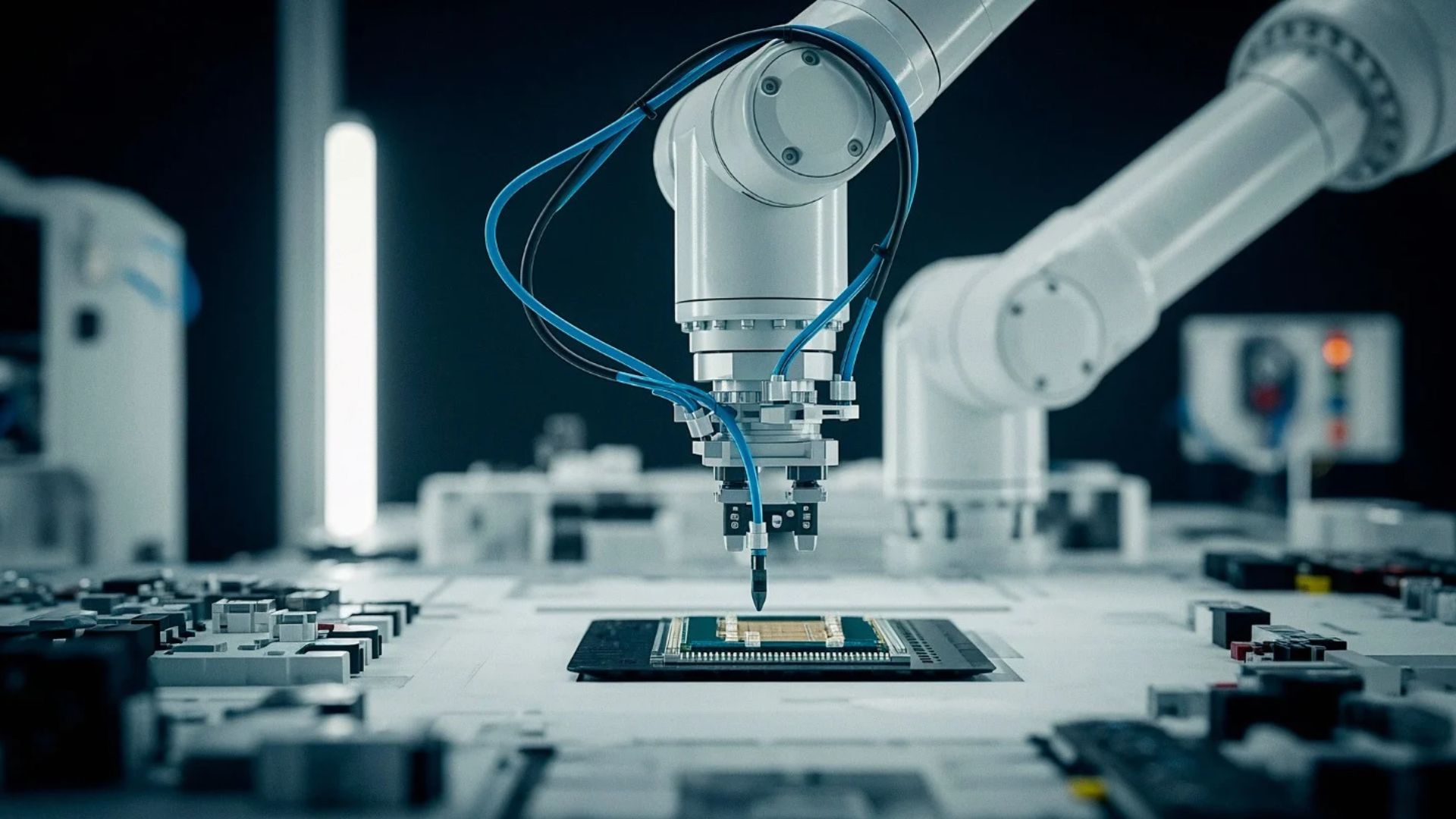
As India pushes domestic electronics manufacturing through production-linked incentive schemes, import substitution efforts and supply-chain diversification strategies, industrial corridors surrounding NCR are attracting fresh attention from electronics assemblers and component suppliers. Neemrana’s Japanese industrial ecosystem has already demonstrated how concentrated industrial planning can attract long-term manufacturing investment. The spillover effects are increasingly visible across neighbouring industrial pockets including Bhiwadi and Alwar.
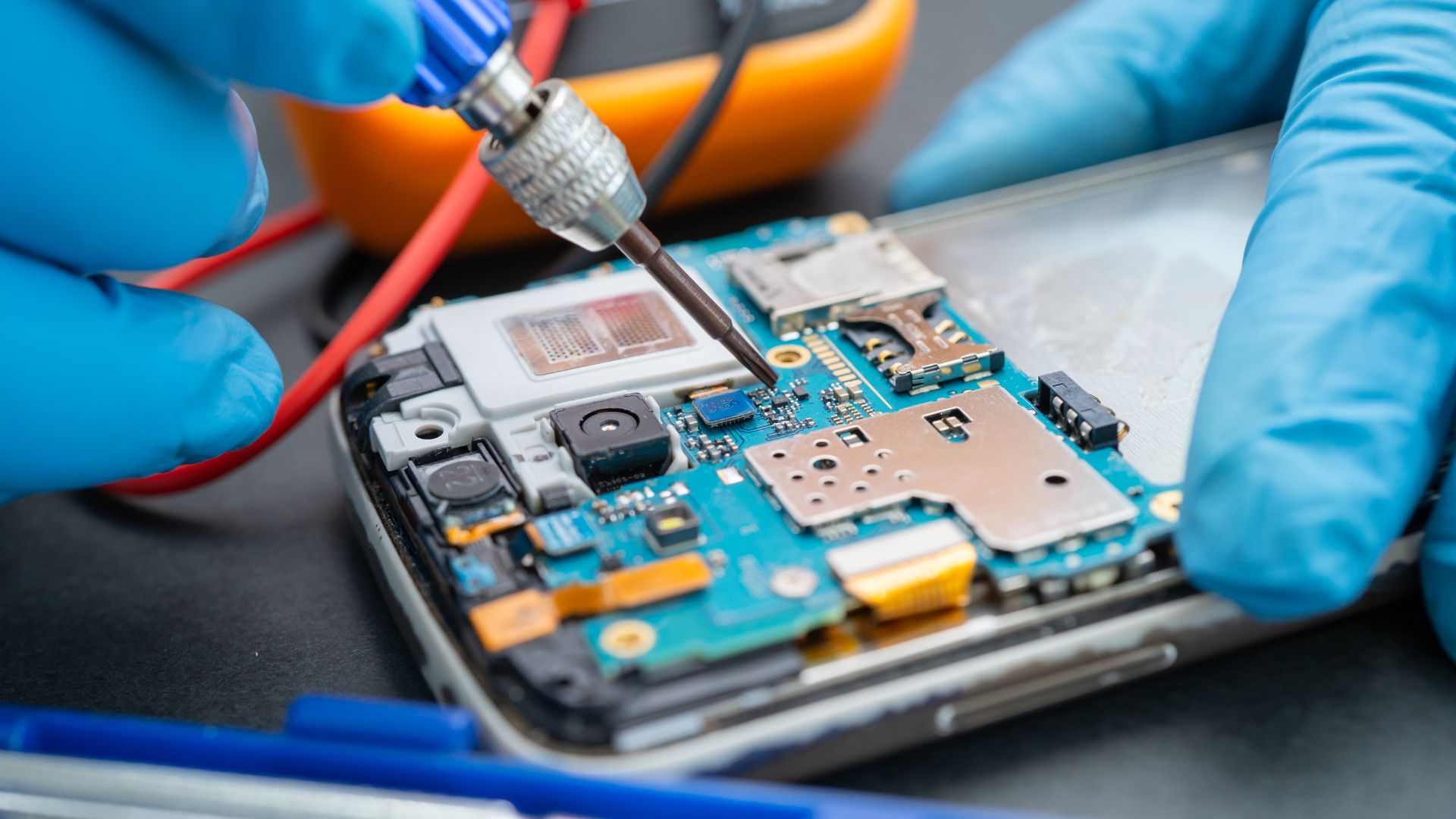
For SMEs, this creates an important strategic opening. Electronics manufacturing is not only about large anchor plants. It requires a broad ecosystem of packaging vendors, precision engineering units, plastics suppliers, warehousing operators, cable manufacturers, tooling firms and logistics intermediaries. Industrial belts capable of supporting this layered supply-chain architecture are likely to gain disproportionate relevance over the next decade.
The logistics equation further strengthens the region’s attractiveness.
The Delhi–Mumbai Expressway and the broader DMIC framework are gradually reshaping freight economics across western and northern India. For manufacturing SMEs, infrastructure projects are not abstract policy announcements; they directly influence inventory cycles, delivery timelines, warehousing decisions and working capital efficiency. Improved connectivity allows businesses to rethink production distribution models while reducing dependence on congested urban transport networks.
In practical terms, the Bhiwadi–Alwar belt sits at an increasingly valuable intersection between production capability and freight movement. Manufacturers can access NCR markets while also positioning themselves closer to long-haul industrial and export routes extending toward western ports and industrial zones.
Yet the region’s rise also illustrates a more nuanced reality about India’s SME manufacturing transformation. Infrastructure alone does not create industrial competitiveness. Execution ecosystems do.
The next phase of growth for the corridor will depend on whether industrial development is accompanied by stronger skilling systems, environmental planning, urban infrastructure and technology adoption among SMEs themselves. Industrial expansion without parallel investment in workforce quality, digital readiness and sustainability frameworks risks creating operational strain rather than long-term competitiveness.
This challenge is particularly relevant for SME-led clusters where businesses often operate with limited managerial bandwidth and uneven technological maturity. Many enterprises within industrial belts still face gaps in automation readiness, cybersecurity preparedness, compliance management and export-oriented quality systems. As global supply chains become more demanding, these operational capabilities may matter as much as cost competitiveness.
The environmental dimension cannot be ignored either.
Bhiwadi has periodically faced scrutiny over pollution and urban stress linked to rapid industrialisation. That tension reflects a larger national challenge confronting India’s manufacturing ambitions: how to expand industrial output without replicating the infrastructure and environmental pressures that have burdened older manufacturing centres. The future competitiveness of industrial corridors may increasingly depend on their ability to balance growth with sustainability and livability.
Even so, the broader direction of travel remains unmistakable.
India’s manufacturing expansion is becoming increasingly cluster-driven, corridor-led and SME-enabled. Regions like Bhiwadi and Alwar are no longer peripheral industrial towns operating in the shadow of larger cities. They are gradually emerging as strategic economic connectors linking infrastructure policy, supply-chain diversification and SME industrialisation.
That evolution aligns closely with the larger philosophy behind SME Communities’ “SME Power Hubs” series, spotlighting how India’s regional industrial ecosystems are becoming engines of entrepreneurship, employment and manufacturing resilience. In many ways, the Bhiwadi–Alwar corridor represents precisely that intersection where policy momentum, infrastructure investment and SME ambition are beginning to converge.
The significance of the belt therefore lies beyond Rajasthan alone.
It offers a glimpse into how India’s next manufacturing chapter may unfold, not through a handful of mega industrial cities, but through interconnected regional corridors where SMEs, logistics networks and sector-specific ecosystems collectively drive scale.