




India-Australia ECTA: Why Critical Minerals, Education and Agri-SMEs Are the New Growth Triad
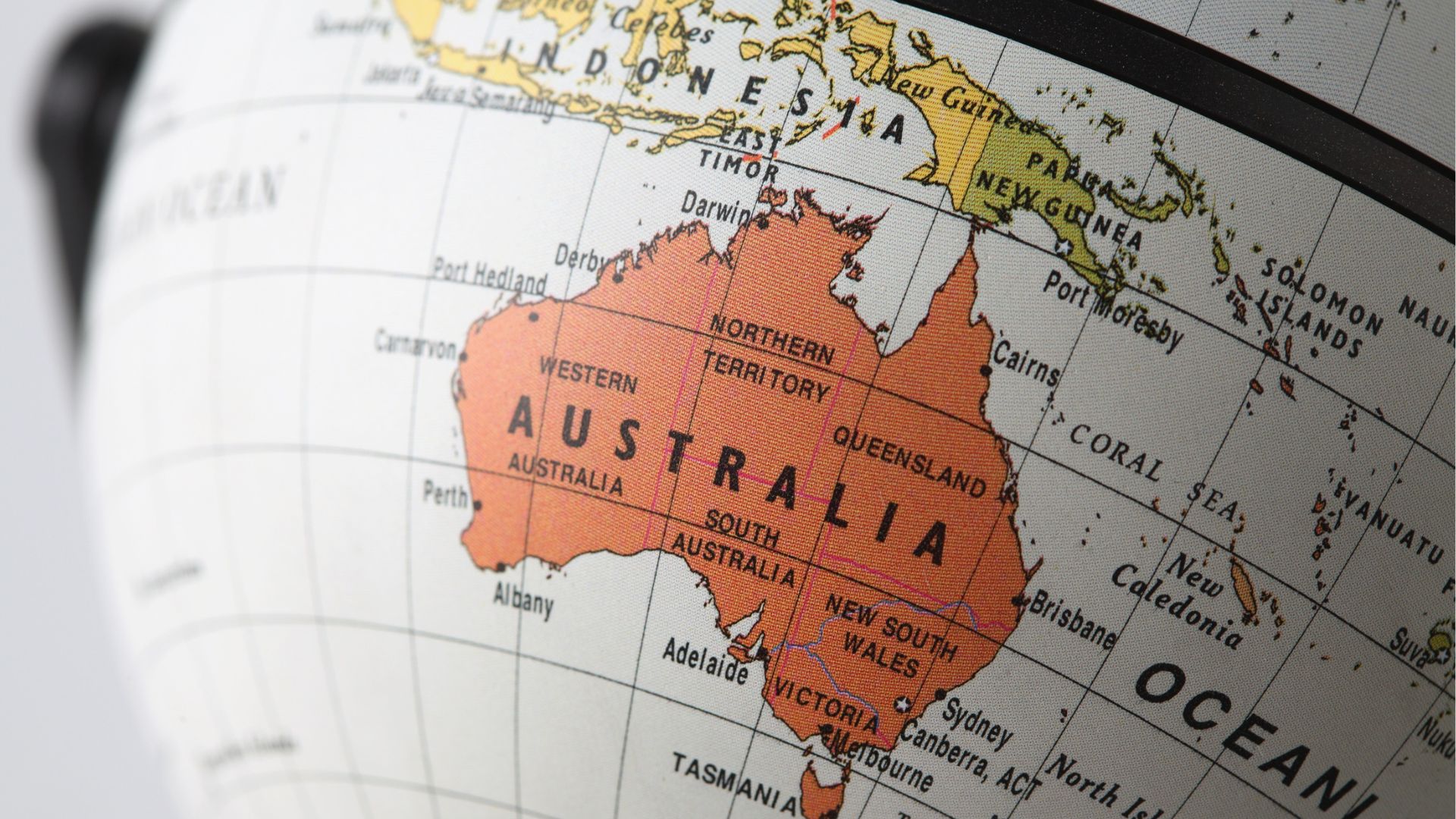
For years, the India-Australia economic relationship was viewed through a relatively narrow lens: coal, cricket and commodity trade. That equation is now changing rapidly. The India-Australia Economic Cooperation and Trade Agreement (ECTA), which came into force in late 2022, is beginning to reveal itself as something more consequential than a tariff-reduction framework. It is gradually becoming a strategic economic bridge between two countries attempting to reposition themselves in an increasingly fragmented global order.
For Indian SMEs, particularly those operating in manufacturing, agribusiness, food processing, education services and emerging supply chains, the ECTA represents a shift from transactional trade to ecosystem-level collaboration. The real significance of the agreement may not lie in headline export numbers alone, but in the emergence of a new growth triad built around critical minerals, education and agri-linked SMEs.
That combination may appear unusual at first glance. Yet together, these three sectors reflect the future priorities of both economies: supply chain resilience, talent mobility, food security, sustainability and industrial transformation.
The Critical Minerals Imperative
One of the most strategically important dimensions of the India–Australia partnership lies underground.
Australia possesses some of the world’s largest reserves of lithium, cobalt, rare earth elements and other minerals essential for electric vehicles, battery manufacturing, renewable energy systems and advanced electronics. India, meanwhile, is attempting to build domestic capabilities in sectors ranging from EVs and semiconductors to clean energy infrastructure.
This creates a natural complementarity.
Until recently, India’s conversations around critical minerals were largely confined to policymakers and large conglomerates. However, the downstream opportunities are increasingly becoming relevant for SMEs as well. Battery component manufacturers, industrial automation firms, recycling businesses, specialty chemical companies and precision engineering SMEs all stand to benefit from the gradual emergence of a critical minerals ecosystem linked to Australia.
The larger strategic context also matters. Global supply chains are being reconfigured amid geopolitical tensions and excessive dependence on concentrated sourcing markets. Countries are now prioritising “trusted trade corridors” over merely low-cost trade corridors. In that environment, Australia is emerging as a stable and politically aligned resource partner for India.
For Indian SMEs, the implications extend beyond imports of raw materials. The more significant opportunity lies in becoming part of value-added supply chains that support energy transition industries over the next decade.
Education as Economic Infrastructure
The second pillar of the India-Australia corridor is education, though not in the conventional sense of overseas degrees alone.
Australia has long been one of the preferred destinations for Indian students. What is changing now is the framing of education itself. Increasingly, education is being viewed as economic infrastructure rather than simply a social sector.
India’s manufacturing ambitions, digital economy aspirations and clean energy transition all require skilled talent at scale. Australia, on the other hand, faces demographic and workforce pressures in several sectors while also seeking deeper engagement with Asia’s growth story.
The ECTA framework, along with broader bilateral cooperation initiatives, is encouraging greater movement around vocational training, university collaborations, research partnerships and industry-linked skilling programmes. This creates a meaningful opportunity for Indian SMEs operating in edtech, workforce training, vocational services and specialised consulting.
There is also a subtler shift underway. Indian SMEs are beginning to recognise that future competitiveness will depend not just on machinery and capital expenditure, but on managerial capability, compliance standards and global operating practices. Exposure to Australian institutions and industry frameworks can accelerate that transition.
In many ways, the India-Australia education corridor may ultimately become less about migration and more about capability transfer.
That distinction matters because SMEs entering export markets increasingly face demands around quality systems, ESG compliance, food safety standards, cybersecurity preparedness and digital documentation. Knowledge partnerships can therefore become commercially strategic rather than merely academic.
Agri-SMEs and the New Food Economy
Perhaps the most underappreciated aspect of the India-Australia ECTA is the opportunity it creates for agri-linked SMEs.
Both countries occupy unique positions in the global food economy. Australia is a major exporter of agricultural commodities, while India is one of the world’s largest agricultural producers with a vast domestic processing ecosystem. Traditionally, these roles were viewed as competitive. Increasingly, they are becoming complementary.
Climate volatility, changing consumption patterns and global food security concerns are forcing countries to rethink agricultural supply chains. The future of agriculture may depend less on scale alone and more on resilience, traceability, processing efficiency and sustainable production systems.
This is where SMEs become central.
Indian agri-SMEs operating in food processing, cold chain logistics, agri-tech, packaging, warehousing and specialty foods are likely to find growing collaboration opportunities with Australian counterparts. Areas such as pulses, premium food products, sustainable farming technologies and agri-logistics could see deeper integration over the next few years.
There is also significant scope for knowledge exchange. Australia’s expertise in water management, farm mechanisation and agricultural technology can complement India’s scale advantages and entrepreneurial ecosystem.
For Indian SMEs, the broader lesson is important: global trade opportunities are no longer confined to exporting finished goods alone. Increasingly, value lies in participating across integrated ecosystems involving logistics, compliance, traceability, digital platforms and processing networks.
A Corridor Built on Strategic Trust
The deeper significance of the India-Australia ECTA lies in the kind of economic corridor it is attempting to create.
Unlike older trade agreements driven primarily by tariff arbitrage, newer economic partnerships are increasingly shaped by strategic trust, supply chain diversification and long-term capability alignment. Critical minerals support industrial resilience. Education strengthens human capital. Agri-collaboration addresses food and sustainability concerns.
Together, they form a far more durable foundation for bilateral engagement.
For Indian SMEs, this requires a mindset shift. Australia should no longer be viewed merely as an export destination or student market. It is increasingly becoming a strategic partner in sectors that will define the next decade of economic growth.
The challenge, however, will be execution. SMEs on both sides will require stronger institutional support, financing access, market intelligence and corridor-specific platforms that enable collaboration beyond large corporate ecosystems.
Yet the direction is becoming clearer.
As geopolitical tensions reshape trade routes and nations search for trusted economic partnerships, the India-Australia corridor is evolving into something larger than a conventional trade agreement. It is gradually emerging as a blueprint for how middle powers can build resilient, future-oriented economic relationships anchored not only in commerce, but in capability, sustainability and strategic alignment.