



Beyond Cricket Bats and Hockey Sticks: How Jalandhar Built One of India’s Most Export-Oriented SME Ecosystems
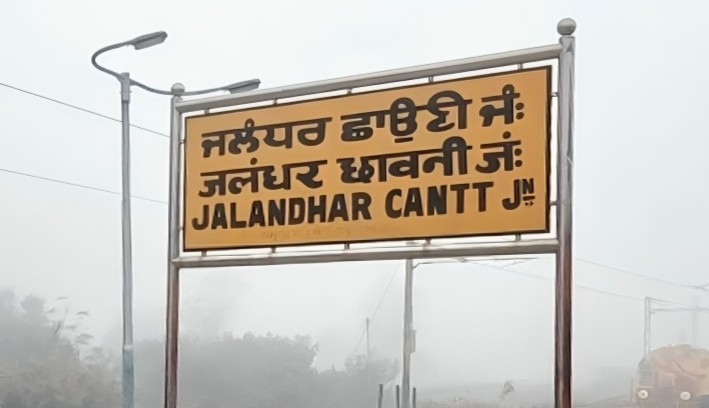
For generations, Jalandhar has occupied a unique position within India’s manufacturing landscape. Long before startup ecosystems and industrial corridors became fashionable economic narratives, this Punjab city had already built a deeply entrepreneurial SME culture rooted in sports goods, light engineering and export-oriented manufacturing.
Its products travelled globally even when most Indian SMEs remained domestically focused. Cricket bats, hockey sticks, protective gear, fitness equipment and industrial components manufactured in Jalandhar quietly entered international markets through an ecosystem powered by craftsmanship, adaptability and trading instinct.
But the city’s story today is evolving beyond its traditional identity.
As global markets become increasingly compliance-driven and brand-conscious, Jalandhar’s SMEs are entering a new phase, one that may determine whether the region remains primarily an OEM manufacturing hub or successfully transitions toward globally recognised product and brand leadership.
The City Built an Export Mindset Early
One of Jalandhar’s defining strengths is its export DNA.
Unlike many regional SME ecosystems that evolved around local demand, Jalandhar’s businesses historically operated with international markets in mind. Sports goods manufacturers built relationships with overseas buyers decades ago, supplying products across Europe, North America, the Middle East and emerging cricket markets worldwide.
This export orientation shaped the city’s business culture itself.
Manufacturers became accustomed to adapting products for different markets, managing international orders and responding to changing global demand patterns. Over time, ancillary ecosystems involving packaging, logistics, stitching, machining and light engineering emerged around this export base.
Importantly, this ecosystem evolved through entrepreneurial networks rather than large corporate anchors alone.
For Indian SMEs, Jalandhar offers an important reminder that export competitiveness is often cultural before it becomes structural. Businesses that think globally early tend to develop operational flexibility and market responsiveness differently from those focused exclusively on domestic growth.
Sports Manufacturing Became an Industrial Cluster
While Jalandhar is widely associated with sports goods, the city’s manufacturing capabilities extend far beyond retail sporting products alone.
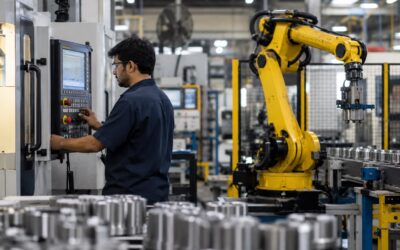
The region has gradually developed into a broader light engineering and fabrication ecosystem supporting machinery, industrial tools, metal processing and specialised manufacturing activities. Skills developed within sports manufacturing like woodworking, metal fabrication, moulding, stitching and product customisation helped create adjacent industrial capabilities over time.
This cluster effect became economically significant.
Manufacturers, component suppliers, designers, exporters and traders operated within dense local networks where commercial knowledge and production capabilities continuously reinforced each other. Smaller SMEs could integrate into export ecosystems without independently building entire supply chains from scratch.
This remains one of the great strengths of India’s regional manufacturing clusters: the ability of ecosystem depth to compensate for individual scale limitations.
Compliance Is Quietly Reshaping the Industry
However, the global sports goods and manufacturing industry is changing rapidly.
International buyers today increasingly expect compliance around material quality, labour standards, sustainability practices and supply chain traceability. Product certifications, testing standards and documentation discipline are becoming critical parts of export competitiveness rather than secondary operational concerns.
For many SMEs, this transition is creating pressure.
Historically relationship-driven export models are gradually giving way to more structured procurement ecosystems where operational transparency matters as much as manufacturing capability. Businesses that fail to adapt risk becoming trapped within lower-margin supply chains vulnerable to intense price competition.
At the same time, compliance readiness is also creating opportunity.
SMEs capable of upgrading quality systems, adopting stronger governance practices and aligning with global sourcing expectations may position themselves more favourably within international markets increasingly searching for dependable alternative suppliers.
In many ways, Jalandhar now stands at the intersection of traditional manufacturing strength and modern export expectations.
The OEM Trap Versus Brand Ambition
Perhaps the most important strategic challenge facing Jalandhar’s SME ecosystem today revolves around branding.
A significant portion of the city’s manufacturers historically operated as OEM suppliers producing goods for larger international brands and distributors. While this created stable export volumes, it also limited direct global brand visibility and pricing power.
Increasingly, however, some SMEs are beginning to recognise the importance of building proprietary brands, direct customer relationships and digital market presence.
This transition is not easy.
Brand-building requires different capabilities from manufacturing alone including marketing, design thinking, e-commerce readiness and consumer engagement. Yet the long-term economics can be transformative.
The future competitive advantage may increasingly belong to SMEs capable of combining manufacturing credibility with brand ownership rather than remaining invisible participants within global supply chains.
For Indian manufacturing more broadly, this represents a critical strategic shift.
Jalandhar’s Real Strength Is Entrepreneurial Adaptability
Despite the challenges, Jalandhar’s greatest asset remains its entrepreneurial resilience.
The city’s SMEs have survived shifting export cycles, changing sports demand, global competition and evolving sourcing patterns through constant adaptation. Businesses repeatedly adjusted product categories, buyer relationships and manufacturing capabilities in response to market realities.
This adaptability may become even more important in the years ahead.
As global supply chains diversify and international buyers search for reliable manufacturing ecosystems outside concentrated sourcing markets, clusters such as Jalandhar could find renewed strategic relevance, provided they evolve alongside changing expectations around compliance, branding and operational sophistication.