



Beyond China+1: Why the Philippines Could Become India’s Next Strategic Trade Opportunity
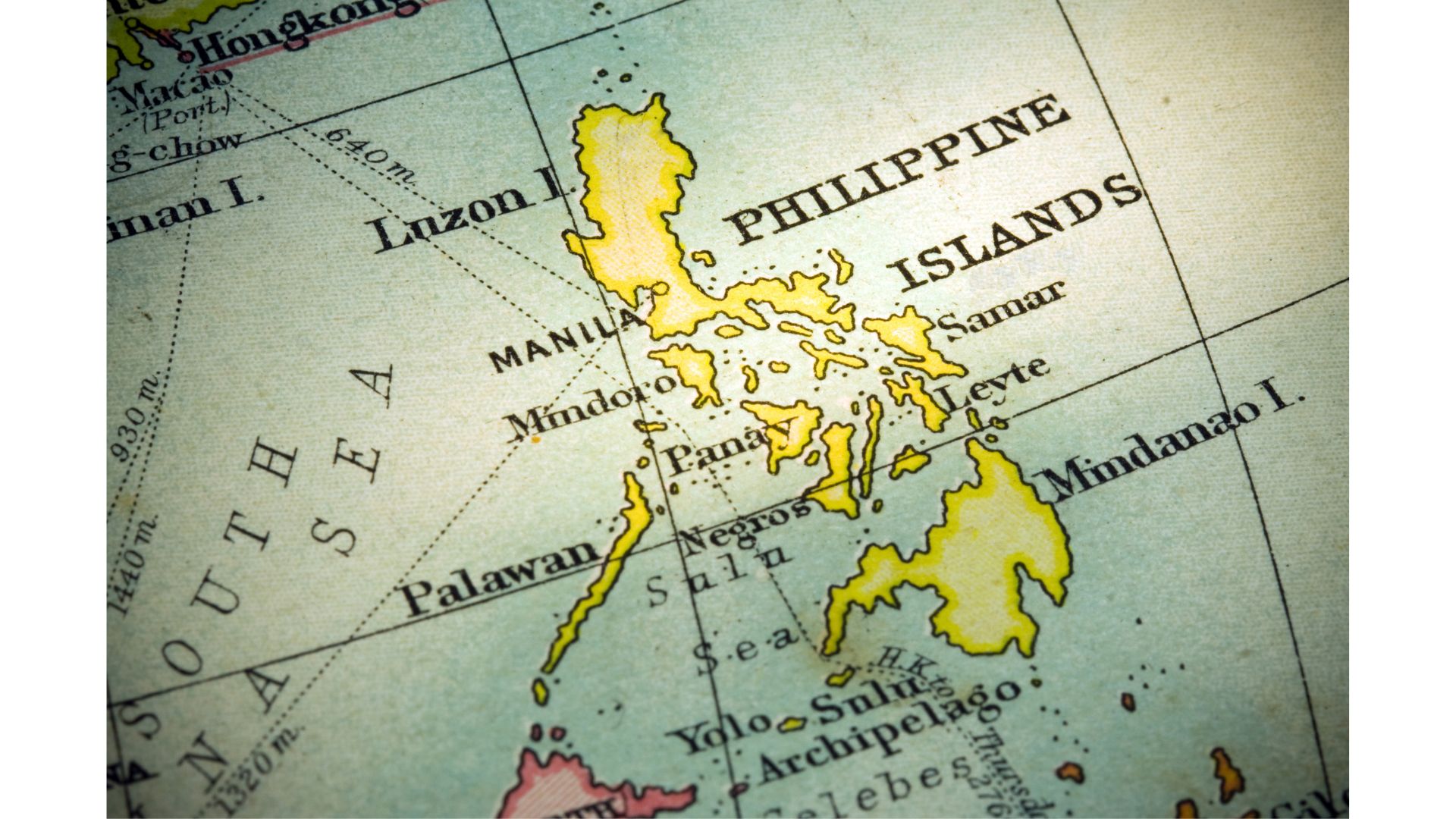
For years, conversations around India’s international trade ambitions have largely revolved around the United States, Europe, the Middle East and major Asian economies such as China and Japan. Yet quietly, another economic corridor is beginning to gain strategic importance in India’s Act East journey: the India-Philippines trade relationship.
Bilateral trade between India and the Philippines reached approximately US$3.9 billion (₹34,466 crore) in FY26, reflecting a steady strengthening of commercial engagement between two of Asia’s fastest-growing economies. More importantly, both governments are now actively exploring new avenues of cooperation across pharmaceuticals, digital technologies, infrastructure, energy, artificial intelligence and advanced services.
For Indian SMEs, this evolving relationship represents far more than a trade statistic. It may offer access to one of Southeast Asia’s most promising yet underexplored growth markets.
A Relationship Moving Beyond Traditional Trade
Historically, trade between India and the Philippines has been driven by a relatively narrow basket of products.
India exports engineering goods, automobile components, electrical equipment, petroleum products, pharmaceuticals, chemicals, electronic products, rice, bovine meat and agricultural commodities to the Philippines. Among these, pharmaceuticals have emerged as a particularly strong pillar of the relationship. According to official data, Indian pharmaceutical products account for roughly 12% of the Philippines’ total pharmaceutical imports, making India one of the country’s most important healthcare suppliers.
Trade data further highlights this strength. India’s pharmaceutical exports to the Philippines exceeded US$400 million in 2024, underscoring the growing role of Indian drug manufacturers in supporting healthcare affordability and access across the archipelago.
However, what makes the relationship increasingly interesting is that both countries are now looking well beyond traditional merchandise trade.
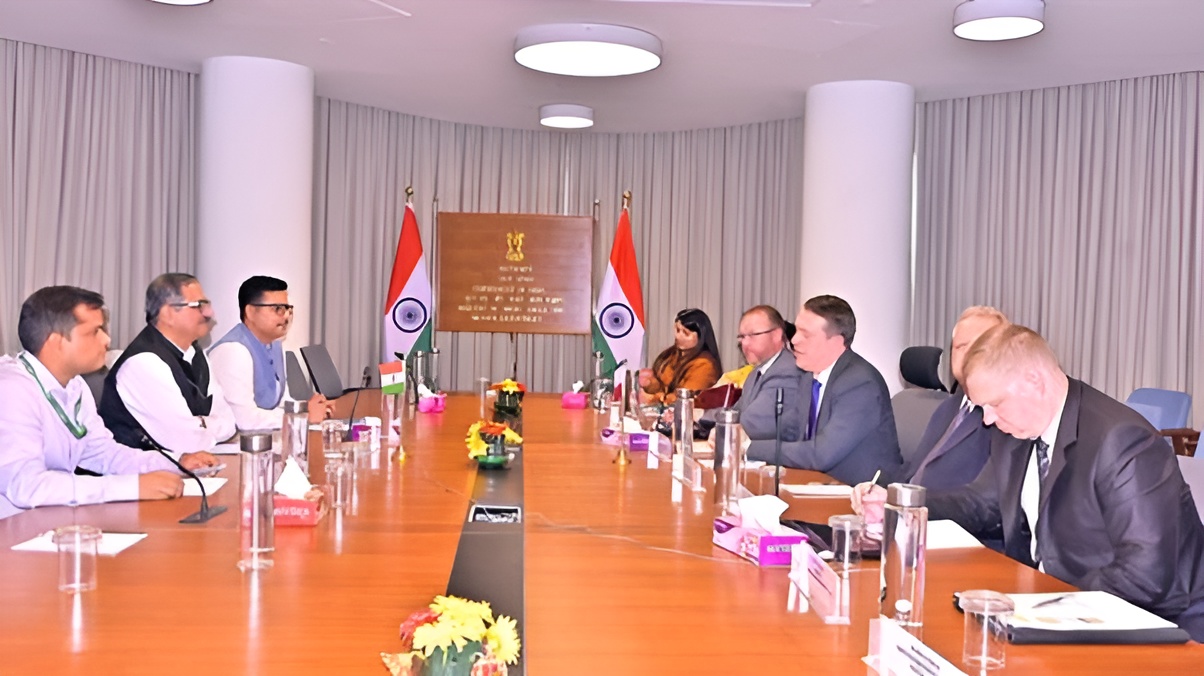
At the recently concluded India-Philippines Joint Working Group on Trade and Investment meeting in Manila, discussions focused on emerging sectors including infrastructure development, digital technologies, ICT services, AI, construction, energy and healthcare collaboration.
This signals a broader evolution from a transactional trade relationship toward a more strategic economic partnership.
Why the Philippines Matters More Than Many Indian Businesses Realise
The Philippines often receives less attention from Indian exporters compared with larger ASEAN markets such as Indonesia, Vietnam or Thailand.
With a population exceeding 115 million, rising urbanisation, strong consumer spending and one of Southeast Asia’s fastest-growing digital economies, the Philippines offers significant long-term demand potential. The country has also become a global leader in business process outsourcing, digital services and technology-enabled industries.
As supply chains diversify across Asia, the Philippines is increasingly positioning itself as an alternative destination for manufacturing, technology investment and regional business expansion.
For Indian SMEs seeking international growth, this creates opportunities across multiple sectors:
- Pharmaceuticals and healthcare products
- Engineering and industrial equipment
- Construction materials and infrastructure solutions
- Automotive components
- Renewable energy technologies
- IT and digital services
- Agritech and food processing
- Education and professional services
Many of these sectors align directly with India’s existing export strengths.
The Strategic Importance of a Potential Trade Agreement
Perhaps the most significant development lies in ongoing discussions around deeper trade integration.
Officials from both countries have discussed accelerating the review of the ASEAN-India Trade in Goods Agreement (AITIGA) while also exploring the possibility of a bilateral Preferential Trade Agreement (PTA).
While negotiations remain at an early stage, the implications could be substantial.
Trade agreements typically improve market access, reduce tariff barriers and simplify regulatory procedures. For SMEs, these changes often determine whether exporting becomes commercially viable.
If a bilateral trade arrangement progresses, sectors such as pharmaceuticals, engineering products, digital services and manufacturing could see significantly stronger cross-border participation.
For Indian businesses looking to establish a Southeast Asian footprint, early engagement could provide a first-mover advantage.
Beyond Trade: A Broader Strategic Partnership
Economic cooperation is also being reinforced by a broader geopolitical alignment.
In 2025, India and the Philippines elevated their relationship to a Strategic Partnership, accompanied by multiple agreements covering digital technologies, science and technology, tourism, space cooperation and maritime collaboration.
This matters because trade rarely grows in isolation.
Stronger diplomatic relationships often create greater business confidence, improve institutional cooperation and encourage private-sector investment flows.
Increasing collaboration in areas such as digital infrastructure, AI, cloud computing, innovation ecosystems and technology development could create entirely new avenues for Indian companies beyond conventional exports.
The Opportunity for Indian SMEs
The real significance of the India-Philippines corridor may lie in its timing.
Global supply chains are being reconfigured. Businesses are seeking diversification beyond traditional manufacturing hubs. Governments across Asia are encouraging greater regional economic integration.
Against this backdrop, the Philippines offers Indian SMEs a market that combines scale, growing consumer demand, strong digital adoption and increasing openness to international partnerships.
The challenge for many Indian businesses is not capability but visibility. While large corporations often possess the resources to explore new markets, SMEs frequently remain focused on familiar export destinations.
The India-Philippines corridor presents a different possibility.
It is a market where Indian strengths in pharmaceuticals, engineering, technology and services already enjoy recognition, where economic engagement is deepening, and where future growth may be driven as much by digital and knowledge partnerships as by traditional trade.
As bilateral commerce approaches the US$4 billion mark and discussions around deeper economic integration gather momentum, the question may no longer be whether the India-Philippines trade relationship has potential.
The more important question for Indian SMEs is whether they are prepared to participate in its next phase of growth.