


Forged in Steel, Rebuilding Through SMEs: The Reinvention of the Durgapur–Asansol Industrial Belt
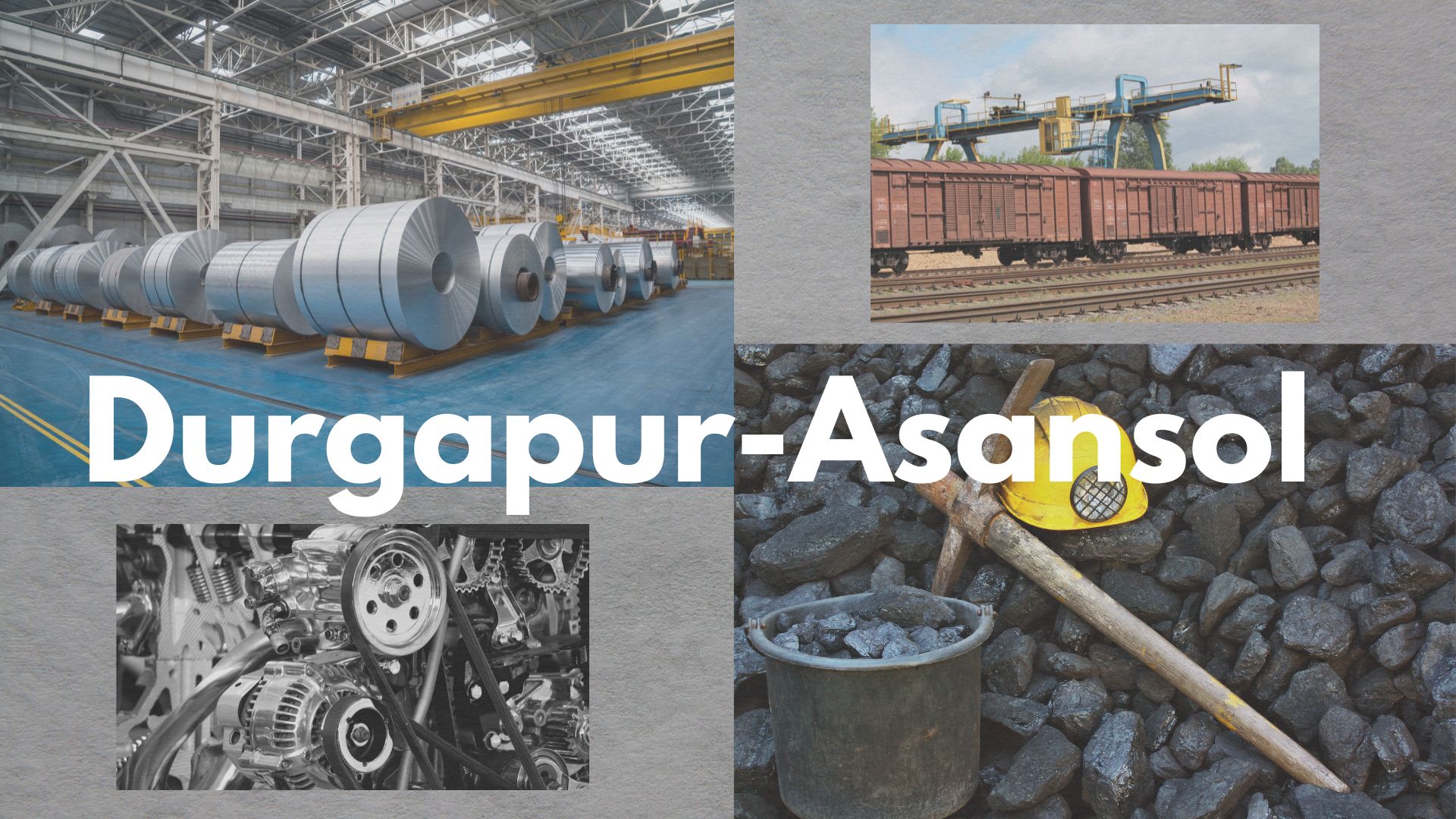
Few industrial regions in India carry the historical weight of the Durgapur–Asansol belt in West Bengal. For decades, this corridor symbolised the country’s early industrial ambitions, shaped by steel plants, coal mining, rail connectivity and heavy engineering infrastructure that once positioned eastern India at the centre of the nation’s manufacturing economy.
Over time, however, the region became associated as much with industrial stagnation as with industrial legacy. Ageing infrastructure, shifting investment patterns and the gradual decline of traditional heavy industries altered the economic momentum of the belt.
Yet beneath the surface, a quieter transformation has been unfolding. Today, the Durgapur–Asansol region is gradually reinventing itself through an expanding ecosystem of metal-linked SMEs, downstream manufacturing units and industrial service businesses that continue to draw strength from the area’s deeply embedded manufacturing DNA.
The future of this industrial heartland may no longer depend solely on giant factories. Increasingly, it may depend on the adaptability of its SME ecosystem.
Legacy Infrastructure Still Shapes Competitive Advantage
One of the enduring strengths of the Durgapur–Asansol belt is its industrial foundation. The region continues to benefit from proximity to steel plants, raw material access, rail connectivity and a long-standing manufacturing workforce familiar with industrial operations. While large-scale industrial expansion slowed over the years, this infrastructure base never entirely disappeared.
Instead, it gradually created opportunities for smaller enterprises operating in fabrication, metal processing, engineering components, machinery repair, industrial maintenance and downstream steel-linked manufacturing.
This is particularly important because modern industrial ecosystems increasingly thrive through networks of specialised SMEs surrounding larger anchor industries. In many ways, the Durgapur–Asansol belt is demonstrating how legacy industrial regions can evolve beyond dependence on large employers alone and gradually reposition themselves through decentralised SME-led manufacturing activity.
Downstream Manufacturing Is Becoming the New Engine
The region’s evolving industrial character is increasingly visible in its downstream manufacturing ecosystem.
Steel and metal-linked SMEs today supply components, fabricated structures, industrial machinery parts and engineering products to sectors ranging from construction and infrastructure to railways, mining and manufacturing. Many smaller businesses have developed practical technical capabilities shaped by decades of operating within industrial environments.
Importantly, these SMEs are not necessarily competing through technological sophistication alone. Their strength often lies in operational familiarity, engineering adaptability and cost-efficient manufacturing.
As India’s infrastructure expansion accelerates and industrial activity spreads across sectors such as renewable energy, logistics, railways and heavy engineering, demand for metal-based fabrication and industrial components is likely to remain structurally strong.
This creates a meaningful opportunity for the region’s SMEs to reposition themselves within newer industrial growth cycles.
Reinvention Requires More Than Nostalgia
However, industrial legacy alone cannot guarantee long-term competitiveness. Many SMEs across the belt continue to face familiar structural challenges including ageing machinery, limited digital adoption, financing constraints and inconsistent workforce renewal. Younger technical talent often migrates toward larger metropolitan centres, while smaller enterprises struggle to modernise operations at the pace global manufacturing expectations increasingly demand.
This creates an important inflection point. The future competitiveness of the Durgapur–Asansol ecosystem may depend on whether traditional manufacturing strengths can successfully integrate with modern industrial capabilities such as automation, digital production systems, quality standardisation and supply chain integration.
The challenge is not preserving the past. It is translating industrial heritage into future-ready manufacturing relevance.
The Rise of SME Industrial Resilience
What makes the region particularly interesting is the resilience of its entrepreneurial base.
Despite economic transitions, metal-linked SMEs across the belt have continued adapting to changing industrial realities. Businesses that once depended heavily on large public-sector industrial ecosystems are increasingly diversifying into broader engineering and fabrication opportunities.
This reflects a larger shift underway across India’s older industrial belts.
Rather than disappearing entirely, many legacy manufacturing regions are slowly evolving into SME-driven industrial ecosystems where smaller enterprises collectively sustain economic continuity. The scale may appear more fragmented than earlier industrial models, but the entrepreneurial adaptability remains significant.
In this sense, the Durgapur–Asansol story is not merely about industrial revival. It is about industrial evolution.
India’s Industrial Future May Include Reinvented Legacy Regions
India’s manufacturing conversations often focus on emerging corridors, greenfield industrial parks and next-generation technology hubs. While these remain important, older industrial regions may still hold substantial untapped potential.
The Durgapur–Asansol belt demonstrates that legacy manufacturing ecosystems possess assets many newer clusters still seek to build: industrial culture, engineering familiarity, logistics connectivity and workforce experience.
The opportunity lies in modernising these foundations rather than abandoning them.
With the right combination of SME financing access, infrastructure upgrades, workforce skilling and industrial digitisation, legacy manufacturing corridors could re-emerge as important contributors to India’s broader industrial growth story.