



Precision Over Scale: Why Agile Manufacturing SMEs Are Becoming India’s Quiet Industrial Advantage
For decades, manufacturing scale was considered the ultimate competitive advantage. Larger factories, longer production runs and lower unit costs shaped the industrial playbook across sectors ranging from automotive and chemicals to electronics and engineering. SMEs often found themselves competing primarily on price, capacity and turnaround speed.
But global manufacturing priorities are beginning to shift. Across industries, buyers increasingly want flexibility alongside scale. Product cycles are becoming shorter, customisation demands are rising and supply chains are fragmenting into more specialised ecosystems. In this environment, the ability to produce smaller volumes with higher precision and faster adaptability is emerging as a powerful differentiator.
This transition is quietly creating a new generation of Indian manufacturing SMEs, businesses that may not operate massive factories, but are building competitive strength through agility, automation and specialised capability.
The Era of High-Mix Manufacturing
Traditional manufacturing models were built around predictability. Long production cycles allowed businesses to optimise tooling, labour and procurement around stable demand patterns. That certainty is weakening.
Today, sectors such as defence, electronics, electric mobility, aerospace, specialty chemicals and industrial engineering increasingly require low-volume, high-mix manufacturing capabilities. Buyers want customised components, rapid prototyping, shorter production cycles and faster design modifications without compromising quality.
This changes the economics of manufacturing itself. Instead of maximising output through standardisation alone, manufacturers are increasingly expected to balance flexibility with precision. SMEs capable of switching production lines faster, adapting tooling rapidly and managing smaller customised batches are beginning to gain strategic relevance.
In many cases, agility itself is becoming a premium capability.
Automation Is No Longer Only for Large Enterprises
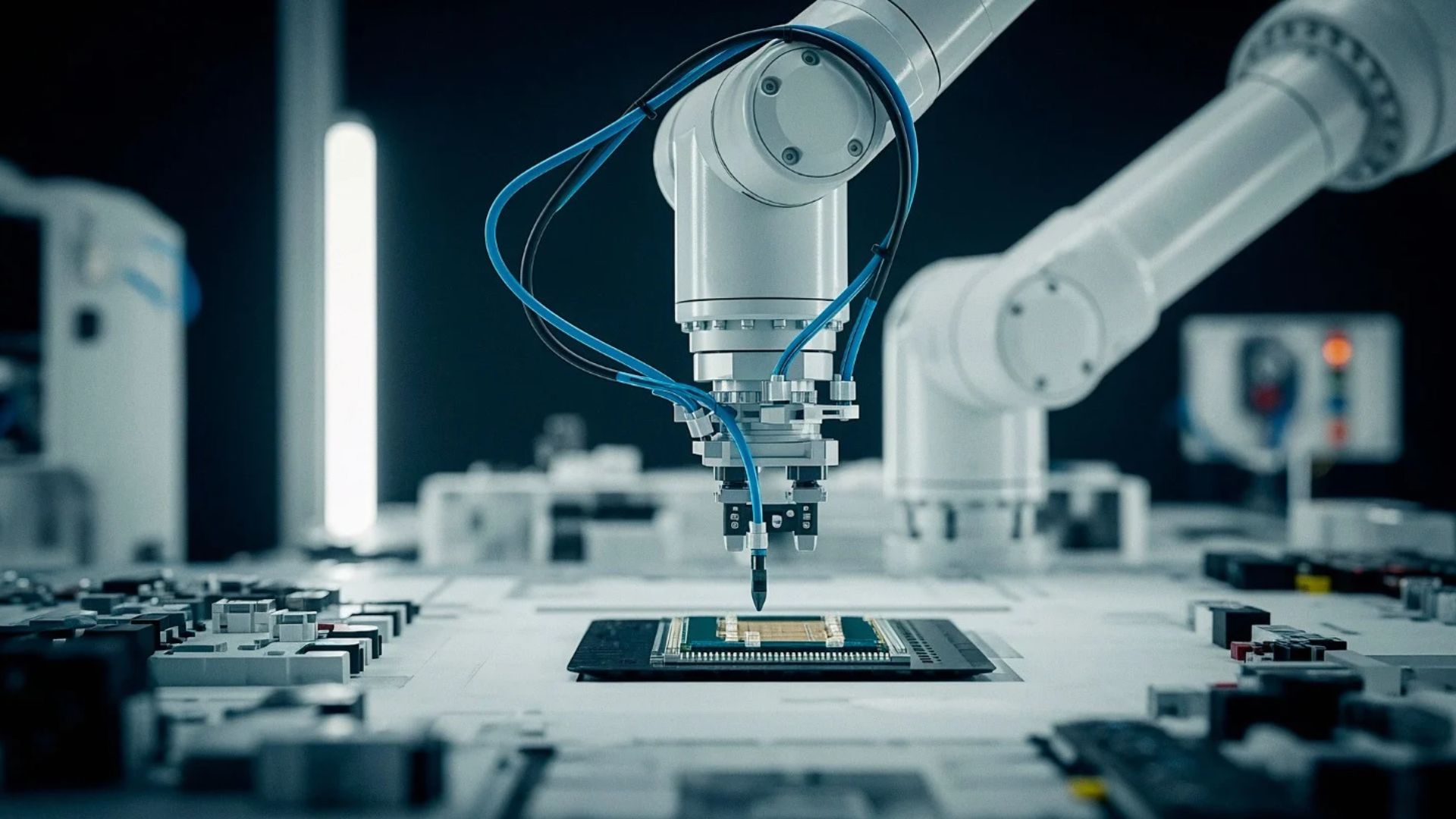
One of the most important developments enabling this shift is the democratisation of manufacturing technology. Earlier, advanced automation systems were largely accessible only to large corporations with deep capital reserves. Today, modular automation tools, cloud-based manufacturing software, AI-enabled quality systems and affordable CNC technologies are becoming increasingly accessible to smaller manufacturers as well.
This is helping SMEs improve precision without necessarily expanding manpower proportionately.
For example, a precision auto-component SME supplying niche EV manufacturers may now use AI-assisted inspection systems and digital tooling simulations to manage smaller customised orders profitably. Similarly, specialty chemical manufacturers increasingly rely on automated batch monitoring and process analytics to maintain consistency across lower-volume, high-value production runs.
The result is a structural shift away from purely labour-cost-driven competitiveness toward capability-led competitiveness.
Defence and Specialty Manufacturing Are Creating New Opportunities
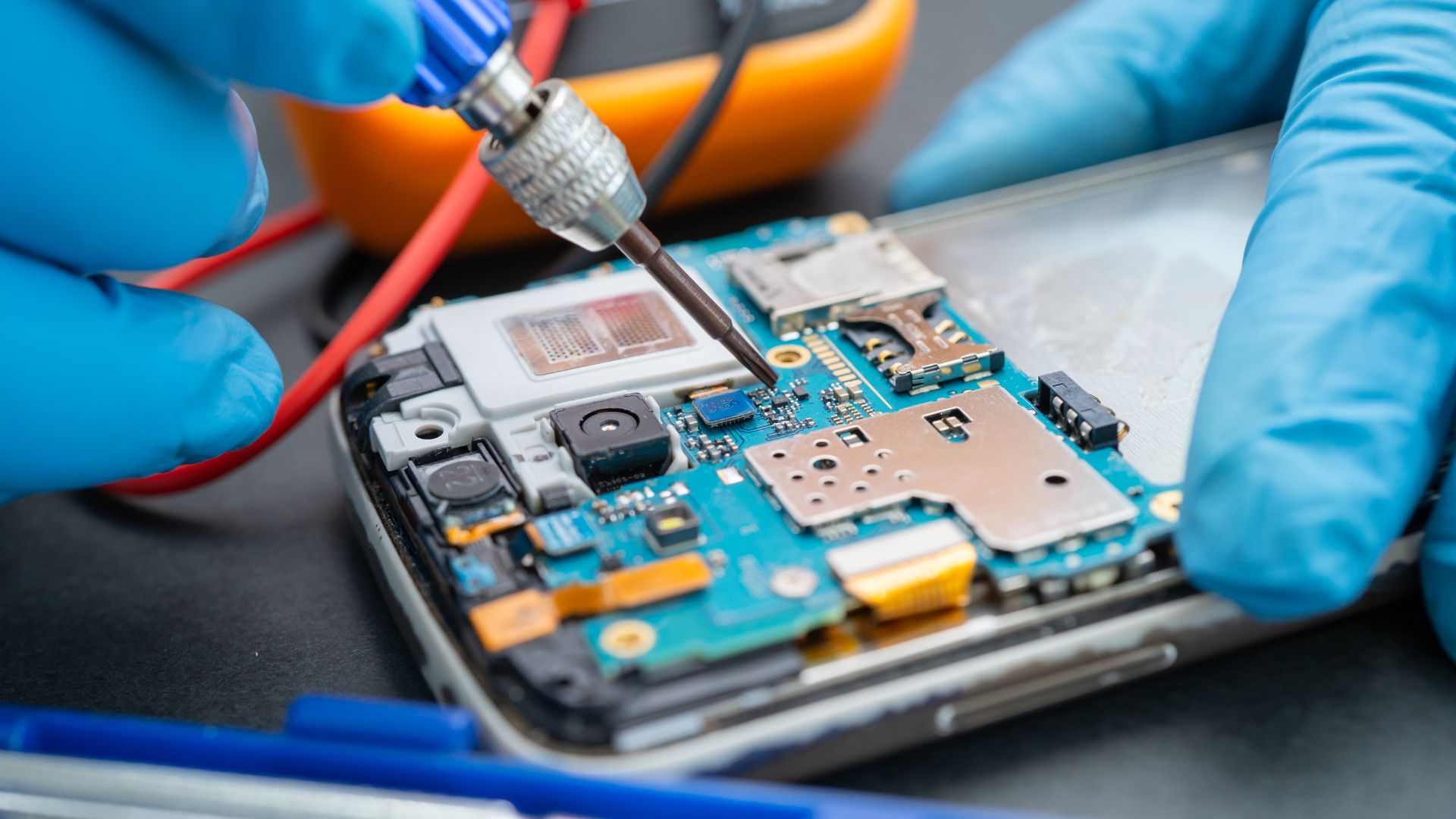
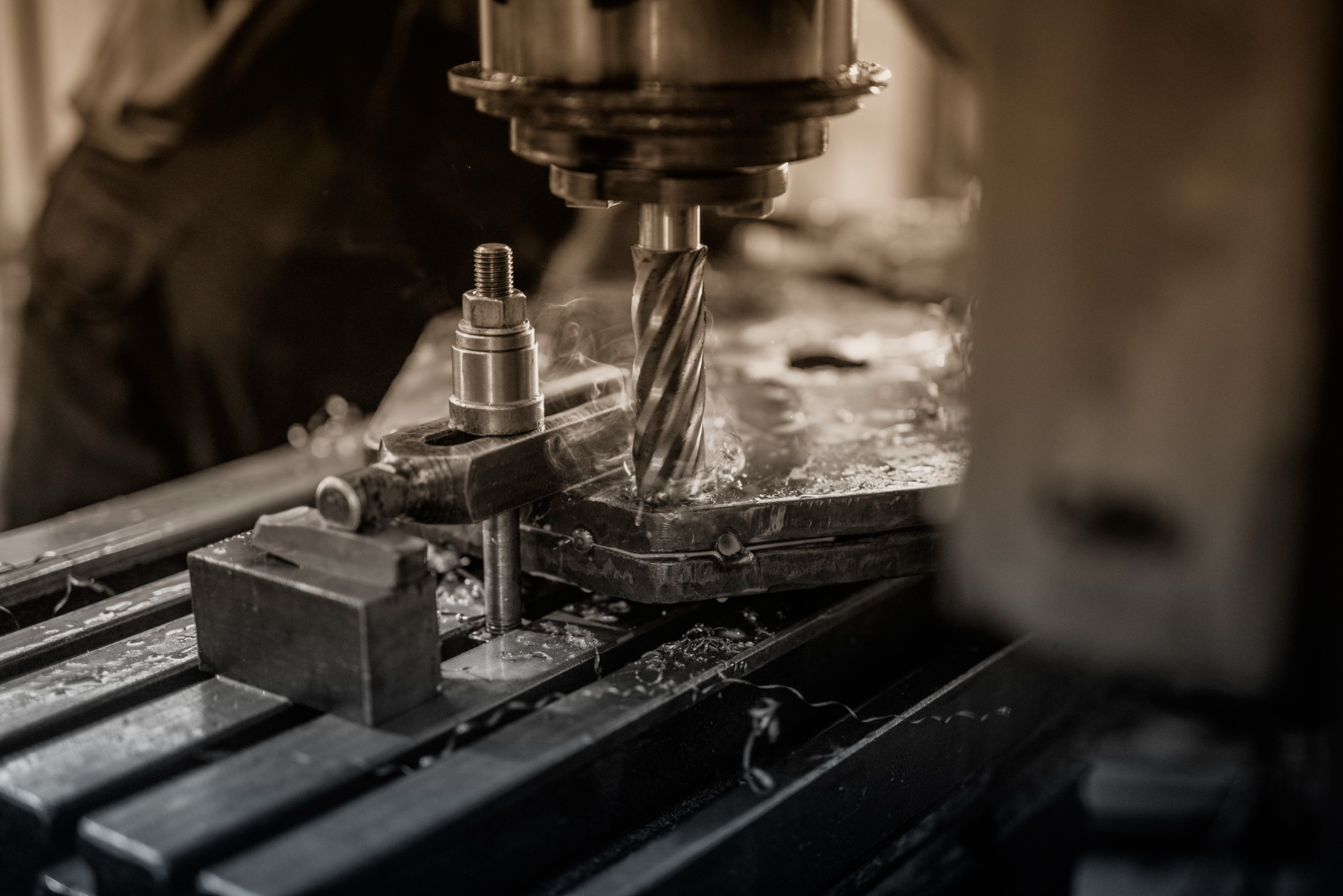
Few sectors illustrate this transformation more clearly than defence and specialty industrial manufacturing. As India pushes deeper into defence indigenisation and advanced manufacturing initiatives, supplier ecosystems are becoming far more specialised. Large integrators increasingly require SMEs capable of precision machining, specialised fabrication, custom assemblies and rapid engineering adaptation.
Unlike traditional mass manufacturing ecosystems, these sectors often prioritise reliability, tolerances, documentation and responsiveness over sheer scale.
This creates a major opportunity for technically capable SMEs. The same trend is becoming visible in sectors such as aerospace components, industrial electronics, medical devices and advanced materials, where buyers increasingly value smaller suppliers capable of solving niche engineering challenges quickly.
In this environment, manufacturing sophistication matters more than factory size alone.
The Competitive Advantage Is Shifting Toward Responsiveness
Global supply chains are also reshaping customer expectations around speed and responsiveness.
International buyers today increasingly prefer suppliers capable of handling design modifications, low-volume pilot production and shorter turnaround cycles without excessive operational rigidity. This is particularly relevant in industries undergoing rapid technological transitions such as EVs, renewable energy systems and industrial automation.
For Indian SMEs, this creates an important strategic opening.
Historically, many SMEs competed by offering lower costs than larger global suppliers. Going forward, the stronger opportunity may lie in offering greater responsiveness and engineering adaptability instead.
A buyer waiting months for production changes from a large global supplier may increasingly prefer an agile Indian SME capable of executing modifications within weeks.
That shift could redefine how manufacturing value is perceived.
Precision Manufacturing Requires a Different SME Mindset
However, becoming an agile manufacturing SME is not only about installing automation equipment or adopting AI tools. It requires a broader shift in business thinking.
Quality systems, digital process visibility, workforce upskilling and engineering collaboration become significantly more important in high-mix production environments. SMEs must also become more comfortable operating within integrated digital supply chains where customers expect real-time visibility, traceability and consistent reporting.
This may require moving beyond traditional owner-driven operational models toward more process-oriented manufacturing cultures.
Importantly, the transition also demands patience. Precision-led manufacturing often involves slower scaling initially but potentially higher margins, stronger customer stickiness and greater strategic positioning over time.
India’s Next Manufacturing Opportunity May Not Be Mass Production Alone
The global conversation around India’s manufacturing future is often framed around scale, exports and China Plus One supply chain shifts. While all of these remain important, another quieter transformation may prove equally significant.
India’s long-term industrial advantage may increasingly emerge from SMEs capable of combining engineering flexibility, digital manufacturing and specialised production expertise.
In a world where supply chains are becoming more fragmented, customised and resilience-focused, the future may belong not only to the biggest manufacturers, but also to the most adaptable ones.