




The Rise of ChemTech: How AI, Automation and Digital Twins Are Creating the Factory of the Future
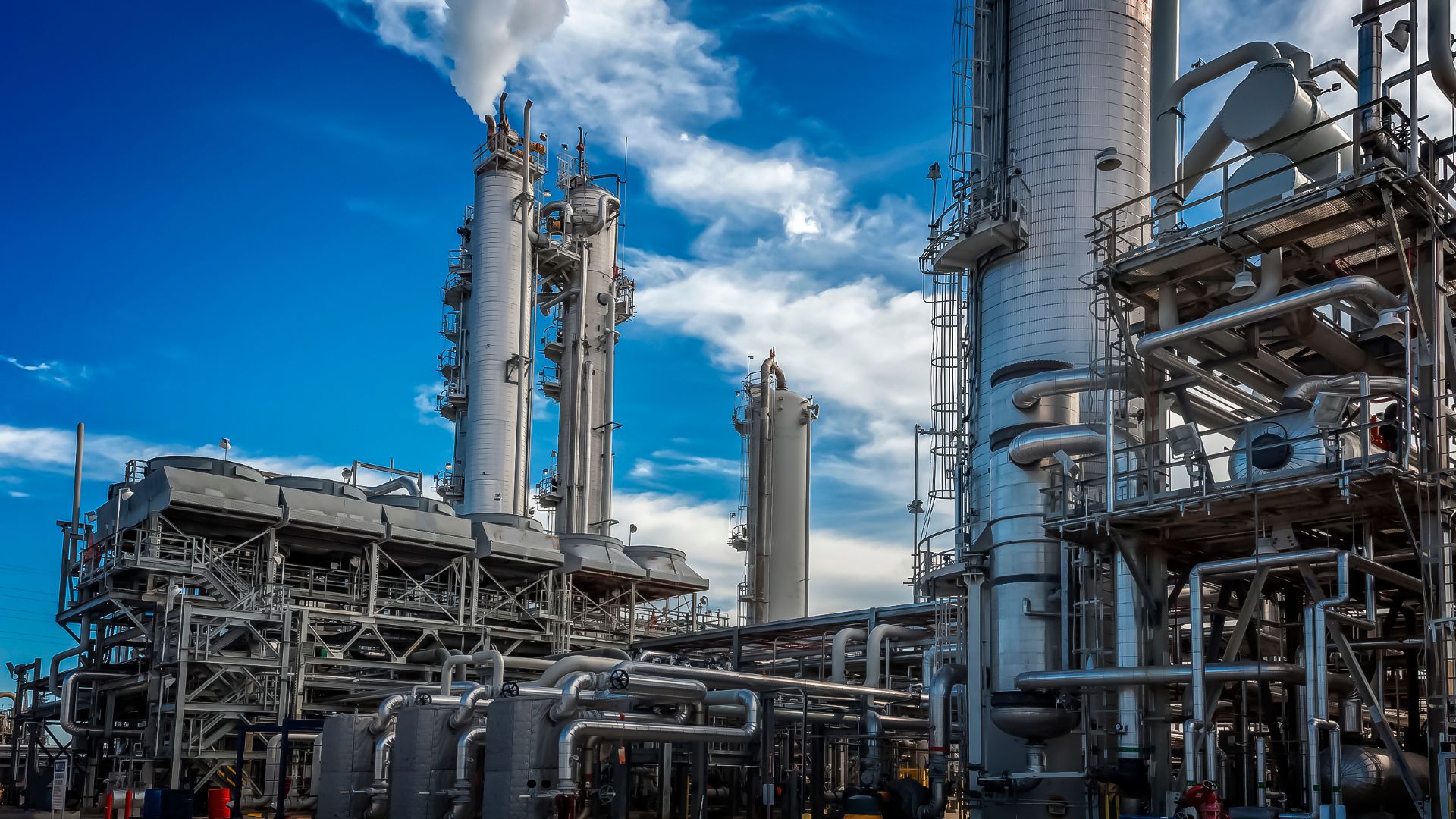
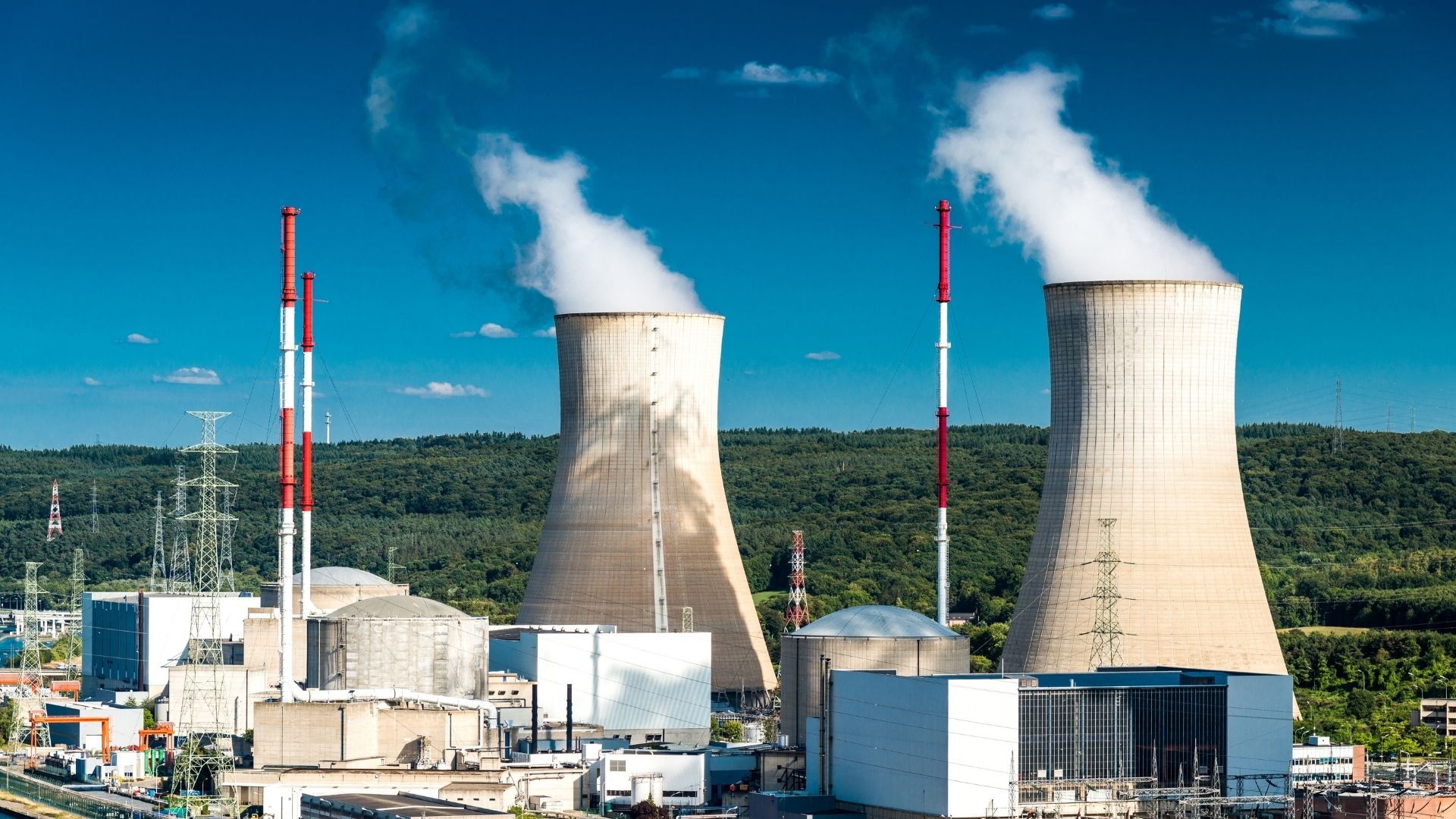
For more than a century, chemical manufacturing has been defined by the physical world: massive reactors, pipelines, control rooms and complex production plants. The competitive advantage belonged to those who could build larger facilities, achieve economies of scale and optimise production costs.
That industrial logic is now being rewritten.
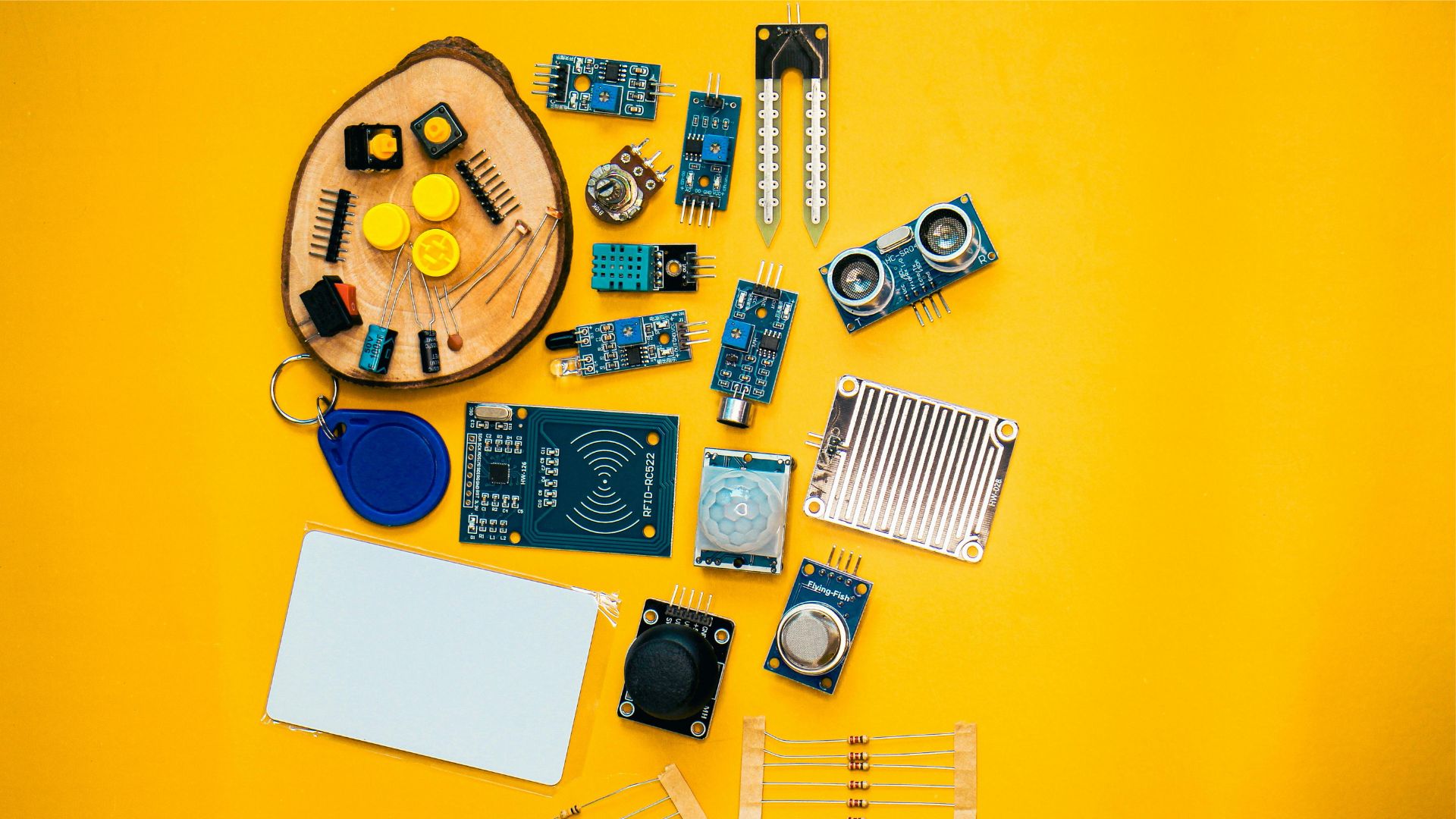
The chemical plant of 2035 may look less like a traditional factory and more like a technology enterprise, one where thousands of sensors continuously generate data, artificial intelligence predicts equipment failures before they happen, digital replicas of entire production systems simulate millions of operational scenarios, and automated systems make real-time adjustments to maximise efficiency.
The next frontier of chemical competitiveness will not be determined solely by molecules. It will be determined by intelligence.
From Industrial Assets to Intelligent Assets
The global manufacturing industry is entering a new phase of digital transformation driven by artificial intelligence, industrial IoT, advanced analytics and digital twins. The World Economic Forum identifies AI-enabled industrial transformation as one of the most significant shifts reshaping manufacturing, moving companies beyond isolated experiments towards enterprise-wide operational intelligence.
In the chemical industry, where production environments are highly complex and even minor variations in temperature, pressure or raw material quality can affect output, the ability to analyse data in real time is becoming a strategic capability.
Traditional factories generated enormous amounts of operational information, but much of that data remained unused. Modern ChemTech facilities convert that data into decisions, optimising production schedules, reducing waste, improving energy efficiency and enhancing process safety. Studies indicate that a large share of manufacturing data remains underutilised, creating significant opportunities for AI-driven optimisation.
The Digital Twin: A Virtual Factory Before the Physical Factory
Perhaps the most transformative technology shaping the future chemical plant is the digital twin, a virtual representation of a physical asset, production line or entire manufacturing facility that continuously receives real-time data from the actual plant.
This enables manufacturers to simulate process changes, evaluate risks and optimise performance without interrupting production.
Leading global chemical companies are already moving in this direction. BASF has deployed digital twin technologies and AI-driven industrial data platforms across its operations to improve utility management, optimise processes and unlock greater operational insights.
The implications are profound. Future chemical plants may be designed, tested and optimised in the digital world before a single piece of physical equipment is installed.
When Machines Predict Their Own Failures
For chemical manufacturers, an unexpected equipment shutdown can mean production losses worth millions of dollars, supply chain disruption and significant safety risks.
AI-driven predictive maintenance is changing this equation. By analysing vibration patterns, temperatures, operating histories and equipment behaviour, machine-learning algorithms can identify signs of failure long before a breakdown occurs.
Research referenced by McKinsey suggests that predictive maintenance can reduce equipment downtime by up to 50% and lower maintenance costs by 10% to 40%.
The future maintenance engineer will therefore not merely repair machines. They will increasingly manage algorithms that predict, diagnose and recommend corrective actions.
The Age of Autonomous Quality
Quality control is also moving beyond human inspection and periodic testing.
Advanced computer vision systems, AI-based analytics and automated monitoring technologies are enabling continuous quality assessment across production processes. Instead of identifying defects after production, smart factories are increasingly capable of detecting anomalies as they emerge and adjusting parameters automatically.
For specialty chemical manufacturers, where customers increasingly demand precision, consistency and regulatory compliance, this shift could become a powerful competitive advantage.
The Opportunity for Indian Chemical SMEs
The ChemTech revolution is not only for multinational giants with billion-dollar investment budgets.
One of the most significant changes enabled by AI, cloud computing and affordable sensors is the democratisation of advanced manufacturing capabilities. Mid-sized manufacturers worldwide are increasingly able to upgrade existing plants with digital technologies rather than completely replacing physical infrastructure. Analysts estimate that widespread digital twin adoption across US manufacturing alone could generate approximately $27 billion in annual economic impact through improved operational decisions and optimisation.
For India’s specialty chemical SMEs, this represents a strategic moment. The global supply chain is seeking reliable alternatives, sustainable manufacturing practices and technologically sophisticated suppliers. The next generation of winners will not merely offer lower costs, they will offer greater intelligence, predictability and innovation.
The chemical champions of tomorrow may not be the companies with the largest factories. They may be the companies whose factories learn, think and continuously improve.
The future of chemistry is no longer only about creating smarter molecules.
It is about building smarter factories.