



How Warangal Is Quietly Emerging as Telangana’s Next SME Growth Corridor
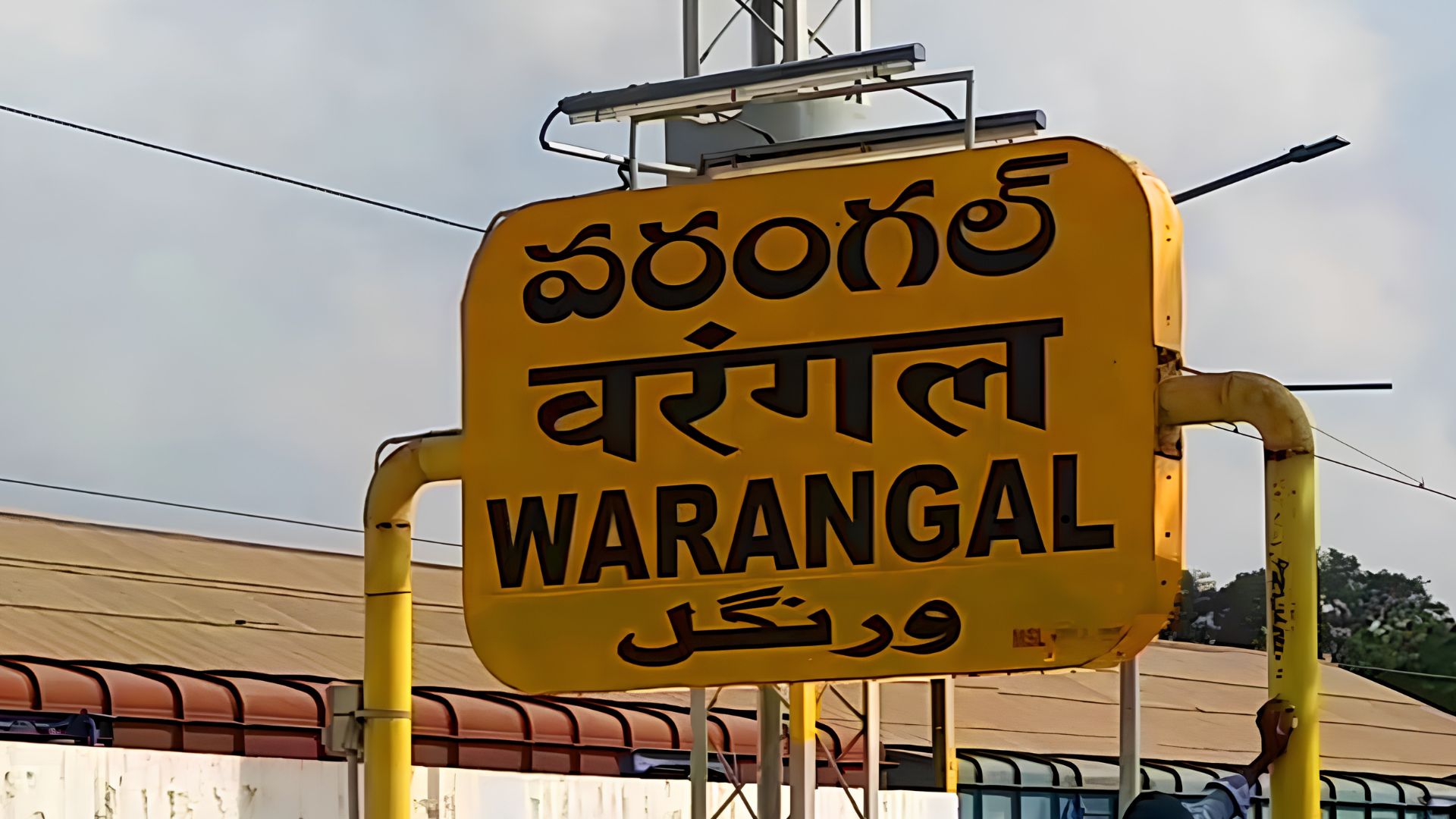
For decades, Warangal was primarily recognised through the lens of agriculture, cotton cultivation and its historical significance within Telangana’s cultural landscape. Unlike Hyderabad, the city rarely dominated conversations around technology, manufacturing or industrial investment. Yet beneath the surface, a gradual economic transformation has been unfolding.
Today, Warangal is increasingly positioning itself as an emerging SME growth corridor where agrarian strengths, textile heritage and industrial ambition are beginning to converge into a broader entrepreneurial ecosystem.
The city’s evolution reflects a larger shift taking place across India’s tier-2 and tier-3 economies. Growth is no longer confined only to major metropolitan centres. Increasingly, regional cities with strong local ecosystems, infrastructure connectivity and policy support are beginning to attract manufacturing and SME activity previously concentrated elsewhere.
Warangal may be one of the more interesting examples of this transition.
Agriculture Is Becoming an Industrial Foundation
One of Warangal’s defining advantages lies in its agricultural base.
The region’s longstanding strengths in cotton cultivation, chilli production and broader agri-linked activity have gradually created opportunities extending beyond primary farming. Food processing, cotton trading, warehousing and agro-linked SMEs are increasingly shaping the city’s commercial landscape.
This transition is important because it reflects a broader economic progression visible across several emerging Indian regions, the movement from raw agricultural output toward value-added processing and SME-led industrial activity.
Instead of functioning purely as a production hinterland, Warangal is slowly evolving into a regional processing and manufacturing ecosystem connected to broader supply chains.
Food processing units, cold-chain infrastructure, packaging businesses and agro-logistics operators are gradually strengthening the local SME environment. As India’s processed food market expands and agricultural supply chains modernise, regional hubs such as Warangal could gain increasing strategic relevance.
Textile Heritage Is Finding New Relevance
Warangal’s textile identity also continues to play an important role in its economic evolution.
The region’s association with cotton and textile activity historically created entrepreneurial familiarity with manufacturing, trading and market linkages. While much of the national textile spotlight often remains focused on larger clusters such as Tirupur, Surat or Ludhiana, smaller regional ecosystems are quietly adapting to newer opportunities emerging across apparel, technical textiles and decentralised manufacturing.
This becomes particularly significant in a world where supply chains are diversifying and buyers increasingly seek flexibility alongside scale.
For SMEs, regional manufacturing ecosystems can offer lower operational costs, workforce availability and proximity to raw material networks. Telangana’s broader industrial push has also helped create greater visibility for manufacturing activity beyond Hyderabad alone.
Warangal’s opportunity may therefore lie not in replicating larger industrial clusters, but in building specialised regional strengths aligned with textiles, agro-processing and emerging manufacturing activity.
Infrastructure and Connectivity Are Changing Perceptions
One of the biggest shifts influencing Warangal’s growth trajectory is infrastructure connectivity.
Improved road networks, industrial corridor development and stronger regional integration with Telangana’s broader economic strategy are gradually changing how businesses evaluate non-metro locations. For SMEs facing rising costs and operational congestion in larger cities, tier-2 locations are becoming increasingly attractive.
This is particularly relevant for manufacturing and processing industries where logistics efficiency, land availability and operational scalability matter significantly.
Importantly, the rise of regional industrial ecosystems also reflects changing entrepreneurial behaviour. Younger founders and SMEs are becoming more willing to build businesses outside traditional metropolitan centres provided connectivity, digital infrastructure and policy support remain favourable.
Warangal’s evolution therefore mirrors a wider decentralisation trend within India’s SME economy.
Industrial Ambition Requires Ecosystem Depth
However, transitioning from an agrarian economy to a durable industrial ecosystem requires more than infrastructure alone.
The long-term success of emerging SME corridors depends heavily on ecosystem depth, including workforce skills, financing access, logistics integration, industrial services and entrepreneurial collaboration. Without these supporting layers, industrial ambition often struggles to translate into sustained competitiveness.
Warangal still faces some of these structural challenges.
Manufacturing ecosystems require not only factories, but also ancillary suppliers, technical talent, quality systems and stronger market connectivity. SMEs increasingly need digital visibility, compliance readiness and operational sophistication to integrate effectively into larger supply chains.
The next phase of Warangal’s growth may therefore depend on how successfully its ecosystem can strengthen these enabling capabilities alongside physical industrial expansion.
The Future of SME Growth May Be Regional
Warangal’s story ultimately reflects a larger transformation underway across India.
The country’s next generation of SME growth may not emerge solely from established metros or traditional industrial giants. Increasingly, regional ecosystems combining agricultural strengths, manufacturing potential and improving infrastructure may become important contributors to India’s broader economic transition.
What makes these emerging hubs particularly interesting is their hybrid character. They are not abandoning their agrarian roots entirely. Instead, they are gradually converting those foundations into broader entrepreneurial and industrial ecosystems.