



Know Your Export Ecosystem: Why the Spices Board Matters More Than Most Indian Food SMEs Realise
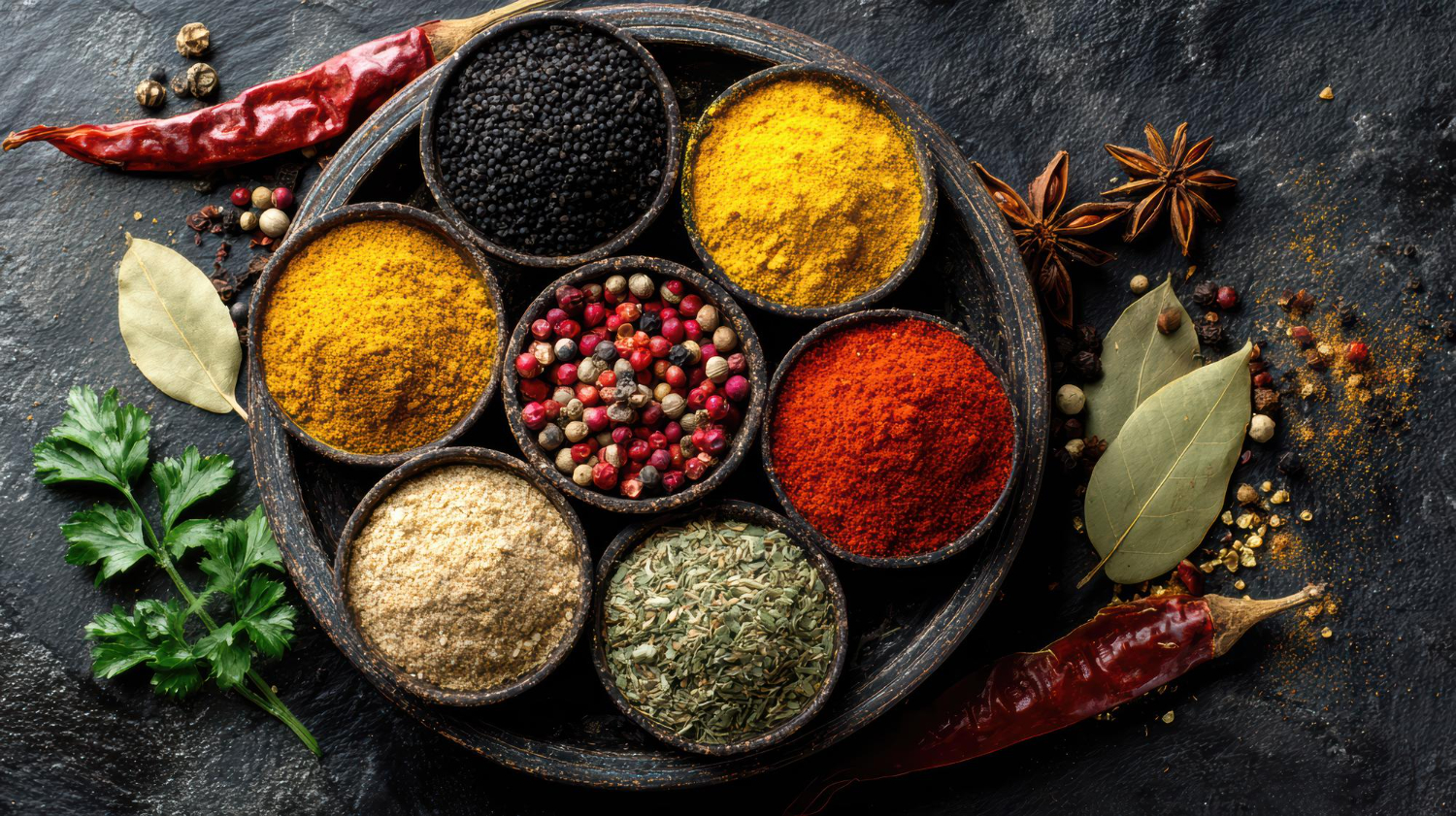
Few industries represent India’s global identity as powerfully as spices. From pepper and cardamom to turmeric, cumin and chilli, Indian spices have historically travelled across continents long before modern trade agreements or global supply chains existed. Yet today, India’s spices sector is entering a far more sophisticated phase, one driven not merely by agricultural heritage, but by branding, traceability, food safety and export competitiveness.
The scale of the opportunity is substantial.
India remains the world’s largest producer and exporter of spices, exporting more than 225 spice products to over 180 countries. According to recent industry estimates, India’s spices exports crossed the US$4 billion mark in FY24, with strong global demand across chilli, cumin, turmeric, spice oils and value-added spice products. Volumes have also remained robust, supported by rising international interest in wellness-oriented ingredients, ethnic cuisines and natural food products.
Yet despite India’s dominant position globally, a large number of SMEs operating within the spices ecosystem continue functioning largely as commodity suppliers rather than strategic exporters.
Many remain disconnected from the broader institutional ecosystem shaping international food trade. This is precisely where Spices Board becomes increasingly relevant, not merely as a regulatory authority, but as a strategic bridge between Indian SMEs and evolving global food markets.
Global Food Trade Has Become Far More Demanding
Exporting spices today is fundamentally different from what it was even a decade ago.
International buyers are no longer evaluating suppliers only on pricing and product availability. Increasingly, global food markets are being shaped by food safety standards, residue compliance, sustainability expectations and traceability requirements. Buyers across Europe, the US and parts of Asia are placing greater emphasis on quality certifications, contamination controls and supply-chain transparency.
This matters enormously for Indian SMEs.
A turmeric processor in Erode or a chilli exporter in Guntur may possess strong sourcing networks and production capability, but global competitiveness increasingly depends on understanding international compliance frameworks before market access challenges emerge.
This is where institutional awareness starts becoming commercially valuable.
The Spices Board’s growing emphasis on quality development, testing infrastructure, GI promotion, export facilitation and value-added product support reflects how rapidly the global spices business itself is evolving. The industry is moving beyond bulk commodity exports towards branded, processed and wellness-oriented products with higher value potential.
For SMEs willing to adapt, the opportunity is significant.
Why Many SMEs Remain Trapped in Commodity Cycles
One of the biggest structural challenges within India’s spices ecosystem is that many smaller businesses continue competing primarily on price despite operating in globally recognised origin clusters.
Several SMEs still rely heavily on traders or export intermediaries without building direct international positioning. Others focus narrowly on raw commodity exports while underinvesting in packaging, branding, certifications or value-added processing.
This often limits margin expansion.
Consider two spice-processing businesses operating within the same region. One continues exporting largely unbranded bulk products through intermediaries. Another invests gradually in food safety certifications, export packaging and participation in international buyer platforms. Over time, the second company is more likely to access premium retail or specialty food segments abroad.
The difference frequently lies not in product quality alone, but in export ecosystem participation and market awareness.
This becomes increasingly important as global consumers shift towards organic, traceable and wellness-oriented food products. Turmeric, for example, is no longer viewed merely as a spice in many international markets. It is increasingly positioned within health, nutraceutical and immunity-focused product categories.
That evolution creates entirely new possibilities for Indian SMEs capable of moving up the value chain.
The Branding Opportunity Is Becoming Strategic
Another major transition underway within the spices sector is the growing importance of origin branding and value addition.
Global buyers today increasingly seek authenticity, geographical identity and product traceability. Indian spices already possess strong international recognition, but much of the value capture still occurs outside India through overseas processing, branding and retail distribution.
This is where SMEs have a larger opportunity than many realise.
A pepper producer from Kerala or a cumin exporter from Gujarat capable of integrating branding, packaging and quality assurance into operations may gradually move beyond commodity dependence into premium export positioning. The growth of ethnic retail, gourmet foods and wellness consumption globally is creating stronger demand for differentiated products rather than purely bulk supply.
The Spices Board’s efforts around GI recognition, export promotion and quality enhancement therefore become commercially important not only for large exporters, but also for ambitious SMEs seeking higher-value international positioning.
Why This Matters for India’s Food Export Ambitions
India’s ambition to become a stronger global food-processing and agri-export powerhouse cannot rely solely on raw agricultural output. Increasingly, it will depend on whether SMEs can integrate quality, branding and export readiness into their business models.
That transition requires more than farming strength or production capacity.
It requires ecosystem literacy. Because in the next phase of global food trade, competitiveness will not be defined only by what India produces.
Increasingly, it will be defined by how intelligently Indian SMEs position those products before the world.