



India and Spain: Why a 70-Year Partnership Is Emerging as One of Europe’s Most Promising Trade Corridors
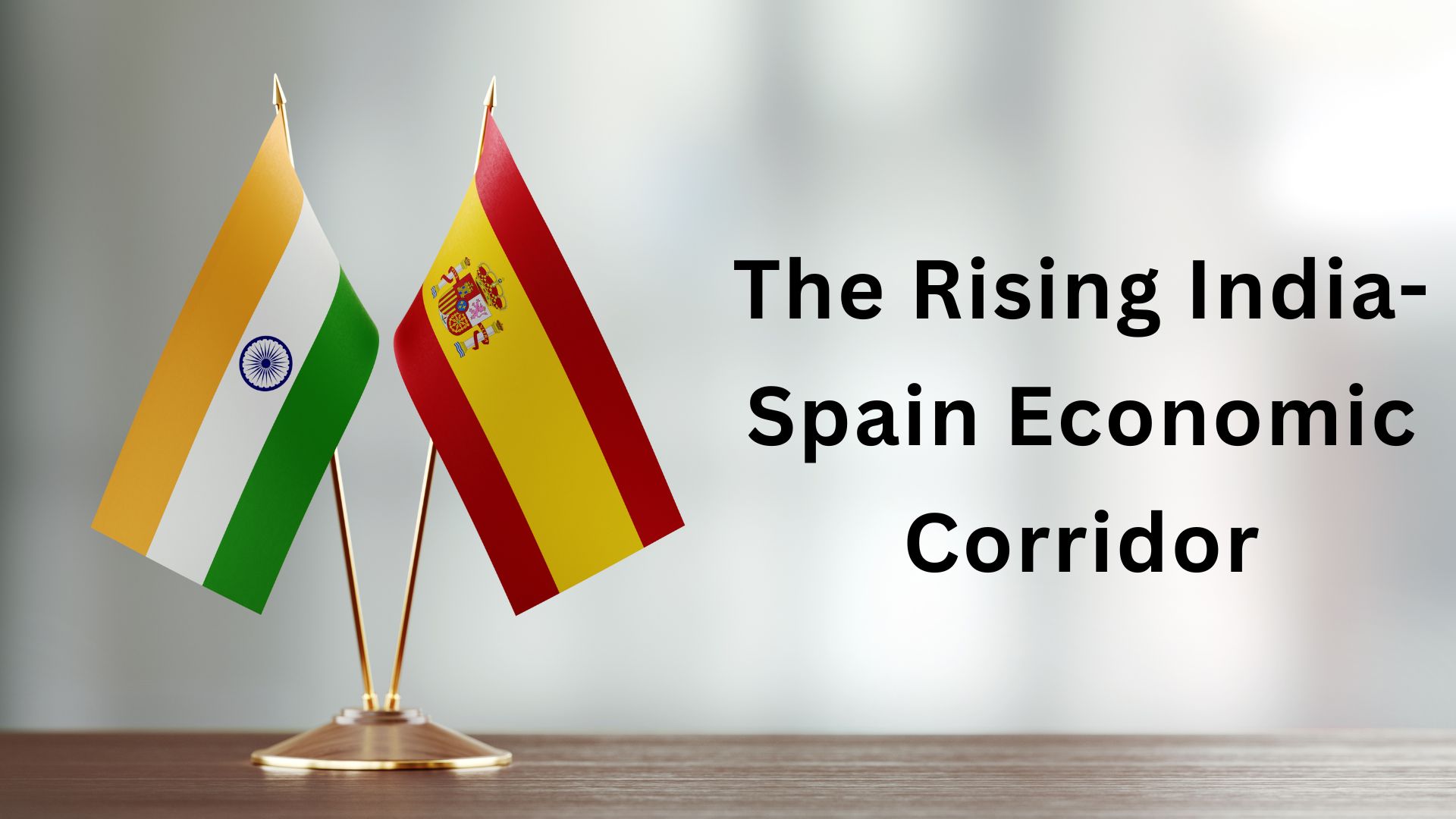
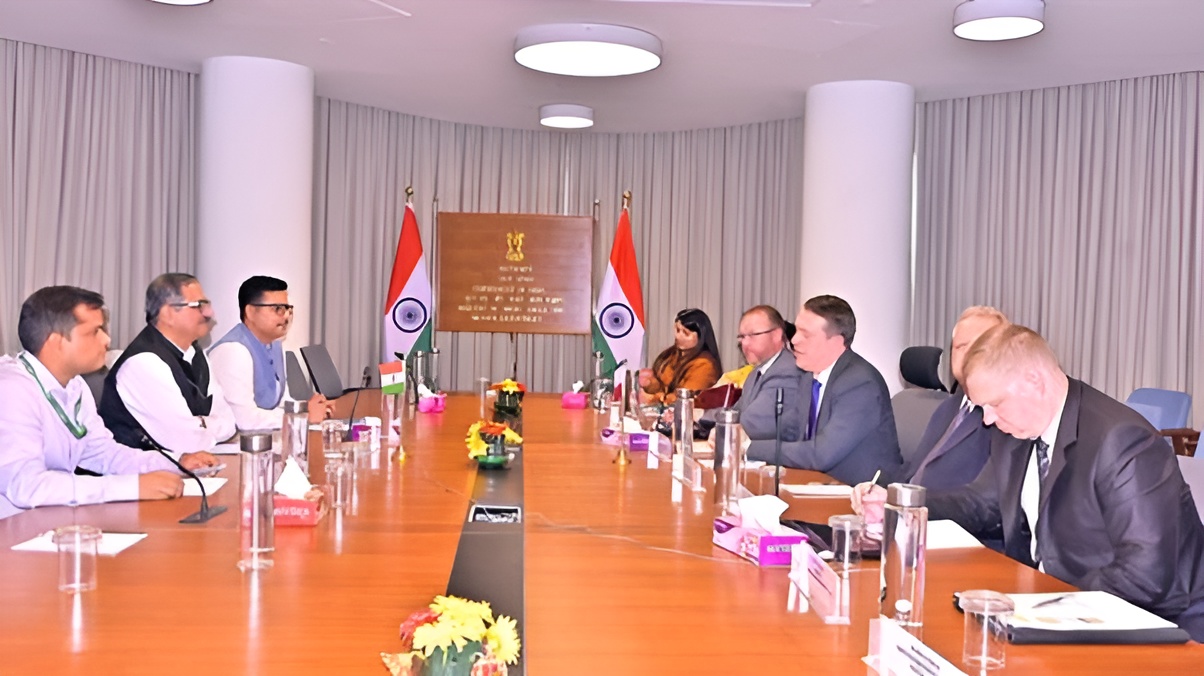
Union Minister of Commerce and Industry, Piyush Goyal, commenced the Spain leg of his official visit on 13 July 2026 with a series of high-level engagements aimed at deepening the India-Spain economic partnership and expanding cooperation in trade, investment, innovation and industry. The visit comes at a defining moment in bilateral relations as both countries celebrate 70 years of diplomatic ties alongside the India-Spain Dual Year of Culture, Tourism and Artificial Intelligence 2026, an initiative announced during Spanish Prime Minister Pedro Sánchez’s visit to India in 2024.
While ministerial visits are often viewed as diplomatic engagements, this one signal something more substantial a strategic shift in how India and Spain perceive each other within an evolving global economic landscape. With supply chains being redrawn, Europe diversifying its manufacturing partnerships and India positioning itself as a global production and innovation hub, the India-Spain corridor is steadily transforming from a traditional trading relationship into a multidimensional economic partnership.
Seven Decades of Growing Economic Engagement
India and Spain established diplomatic relations in 1956, but for much of the relationship, economic engagement remained modest compared to India’s partnerships with larger European economies.
The momentum accelerated over the past decade as both nations identified complementary strengths. Spain emerged as a global leader in renewable energy, transport infrastructure, urban mobility, tourism and advanced manufacturing, while India established itself as one of the world’s fastest-growing major economies with expanding domestic demand, a vibrant manufacturing ecosystem and a thriving digital economy.
Today, Spain ranks among India’s important European trading partners and is the sixth-largest trading partner within Europe. Bilateral merchandise trade crossed US$11 billion in 2024, before moderating to around US$9.4 billion in 2025, largely reflecting broader global trade normalization. India exported goods worth approximately US$7.02 billion, while imports from Spain stood at about US$2.39 billion, leaving India with a significant trade surplus.
Although these figures remain modest compared to India’s trade with Germany or France, they reveal significant untapped potential considering the size of both economies.
What Drives Bilateral Trade?
The India-Spain trade basket has become increasingly diversified.
India’s principal exports include petroleum products, chemicals, pharmaceuticals, engineering goods, textiles and garments, seafood, leather products, machinery and iron and steel products. Spain, meanwhile, exports industrial machinery, capital equipment, chemicals, plastics, automotive components and specialized engineering products to India.
The relationship has steadily evolved beyond traditional merchandise trade into investment, technology collaboration and industrial partnerships.
Spain’s globally competitive companies in renewable energy, smart cities, railways and water management are increasingly aligning with India’s infrastructure ambitions, while Indian enterprises are finding opportunities in pharmaceuticals, information technology, engineering services and automotive components.
Investment: The Next Chapter
Trade is only one part of the story. Foreign direct investment has become an increasingly important pillar of bilateral engagement.
Spain has emerged among the top European investors in India, with investments spanning renewable energy, automotive systems, infrastructure, financial services, hospitality and logistics. Indian companies, in turn, have expanded their footprint across Spain in information technology, pharmaceuticals, automotive engineering and consulting services.
The latest discussions between the two governments focused on making greater use of India’s Fast Track Mechanism to facilitate investments, reduce procedural bottlenecks and improve investor confidence. Both countries also agreed to convene the next session of the India-Spain Joint Commission on Economic Cooperation, reflecting a shift from transactional engagement towards institutional collaboration.
Defence Manufacturing Becomes an Industrial Partnership
Perhaps no project better symbolizes the evolving relationship than the Airbus-Tata C-295 aircraft programme.
Rather than simply importing defence equipment, India and Spain have built a collaborative manufacturing ecosystem under the Make in India initiative. The programme involves local production, technology transfer, supply-chain development and participation of Indian MSMEs in aerospace manufacturing.
For India’s manufacturing sector, this project demonstrates how defence cooperation can evolve into industrial capability building rather than conventional procurement. It also opens opportunities for hundreds of component suppliers, precision engineering firms and advanced manufacturing SMEs.
Why the India-EU FTA Matters
One of the most significant themes during Piyush Goyal’s discussions in Madrid was the proposed India-European Union Free Trade Agreement.
Negotiations have entered the legal review stage, with both sides expressing confidence that the agreement is nearing completion. Once implemented, the FTA is expected to provide Indian exporters improved access to one of the world’s largest consumer markets while facilitating greater European investment into India.
For Spain, India represents a rapidly expanding market of over 1.4 billion consumers.
For India, Spain offers not only market access but also a strategic gateway into Southern Europe, Latin America and the broader European Union.
This combination significantly enhances the corridor’s long-term strategic value.
New Opportunities for Indian SMEs
The emerging India-Spain partnership presents considerable opportunities for Indian small and medium enterprises.
Engineering manufacturers can integrate into Spanish industrial supply chains. Renewable energy companies can collaborate in green hydrogen, solar equipment and energy storage technologies. Food processors can benefit from rising demand for premium agricultural products and processed foods.
Similarly, India’s thriving digital ecosystem creates opportunities for collaboration in artificial intelligence, cybersecurity, fintech, Industry 4.0 solutions and digital public infrastructure.
Spain’s expertise in sustainable tourism, urban mobility, railway engineering and smart infrastructure also aligns closely with India’s infrastructure expansion programmes.
The participation of leading business organisations including FICCI, CII, the Chamber of Commerce of Spain, CEOE and ICEX Spain Trade and Investment during the India-Spain Business Forum reflects growing confidence from industry on both sides that commercial partnerships are entering a new phase.
Beyond Trade: Building a Strategic Economic Corridor
Perhaps the most significant outcome of this relationship is that it is no longer being defined solely by trade statistics. It is increasingly being shaped by shared priorities in clean energy, advanced manufacturing, resilient supply chains, artificial intelligence, digital transformation, defence production, mobility and innovation.
As global companies diversify supply chains beyond traditional manufacturing centres, India offers scale, talent and market access, while Spain provides technological capability, European connectivity and industrial expertise.
This creates a natural complementarity rather than competition.
Looking Ahead
Trade corridors are not built overnight. They evolve through sustained political engagement, business confidence, institutional cooperation and private-sector participation.
The timing of Piyush Goyal’s visit is therefore significant. It comes when Europe is actively seeking resilient partners, India is strengthening its manufacturing ambitions, and businesses worldwide are rethinking supply chains in response to geopolitical uncertainty.
Seventy years after establishing diplomatic relations, India and Spain are laying the foundations for a partnership that extends well beyond exports and imports.
The next chapter will likely be written not merely in trade volumes but in co-manufactured aircraft, renewable energy projects, AI collaborations, smart infrastructure, investment flows and innovation-led enterprises.
For Indian SMEs, Spain should no longer be viewed simply as another European market. It is steadily emerging as a strategic gateway to Europe and one of India’s most promising trade corridors for the decade ahead.