




India-New Zealand FTA: Zero Duty Is Only the Beginning for Indian SMEs
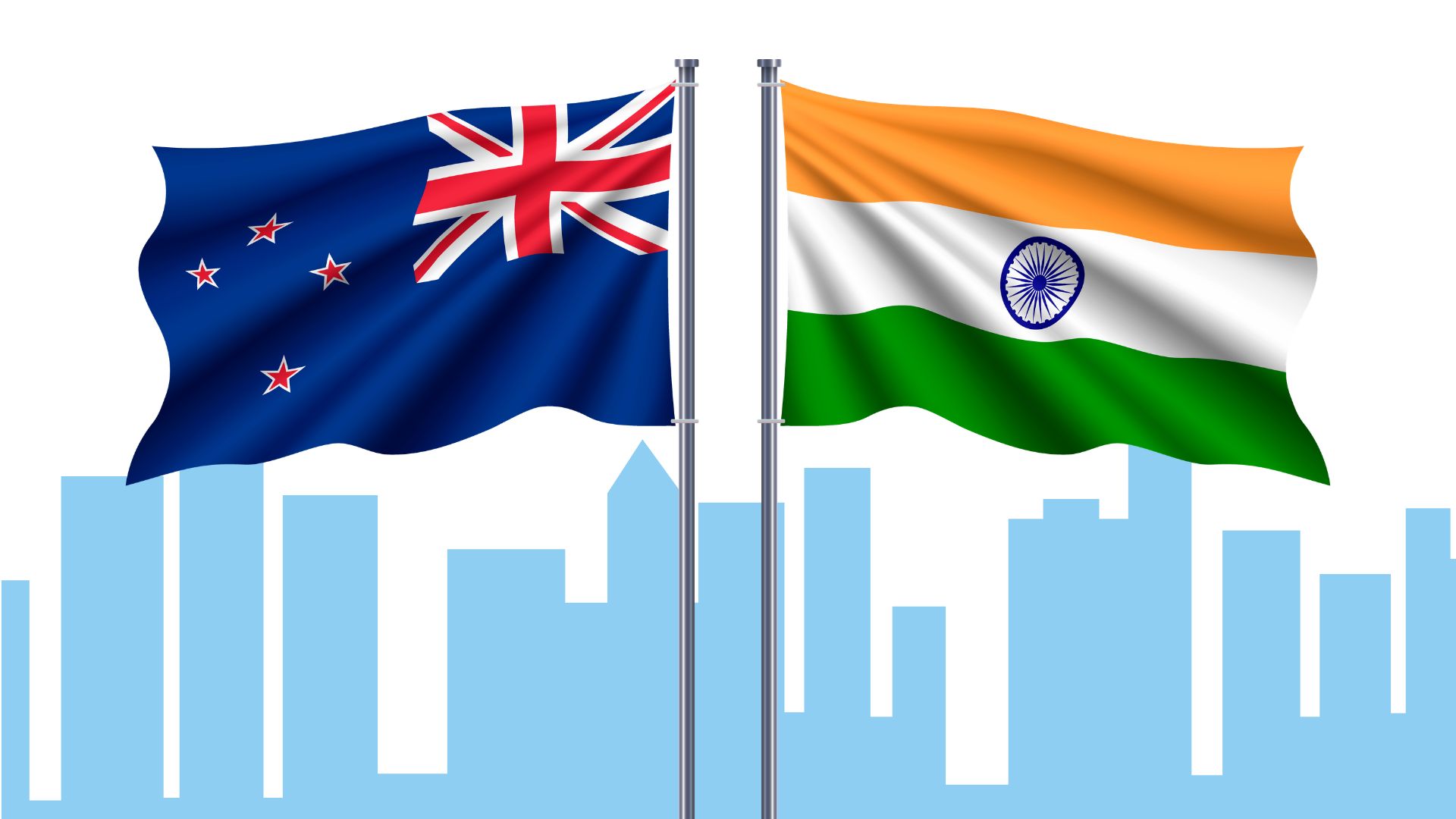
India’s trade relationship with New Zealand is set for a significant change in market-access terms. The India-New Zealand Free Trade Agreement, signed on April 27, will come into force on October 20, giving Indian exporters zero-duty access across all tariff lines in the New Zealand market.
The headline number is straightforward. New Zealand will eliminate duties on 100% of its 8,284 tariff lines, covering products where tariffs currently range from zero to 10%, with an average tariff of 2.2%. For Indian businesses, that changes the landed-cost equation across a wide range of products. But the more important question is whether lower tariffs can translate into a larger and more diversified export presence in a market where India’s current footprint remains relatively modest.
Bilateral merchandise trade stood at about $1.3 billion in 2024-25, after growing 49% during the year. Indian merchandise exports to New Zealand have increased 130% over the past decade, but the absolute base remains small. That is an important part of the FTA story. It is not simply about protecting an established export relationship. It is also about testing whether lower trade barriers can help Indian companies enter product categories where they have so far had limited presence.
Engineering illustrates the gap. India exported $153.4 billion of engineering goods globally in FY25, while engineering exports to New Zealand were only $136.34 million. New Zealand imports around $23.3 billion of engineering products, and tariffs on several categories currently reach 10%. Those duties will be eliminated. Auto components, machinery, tools, electrical equipment, metal products and other industrial goods are among the areas identified in the agreement.
For an SME, however, the tariff is only one component of the export equation. A lower landed price may improve a quotation, but buyers will also consider product specifications, quality consistency, delivery schedules, after-sales support, certifications and the supplier’s ability to maintain volumes. The FTA removes a tariff barrier. It does not remove these commercial requirements.
Textiles present a similar case. India’s global textile exports were about $36.9 billion, while exports to New Zealand were around $103 million. New Zealand’s textile imports are estimated at approximately $2.2 billion, with tariffs of up to 10% being eliminated under the agreement. The size of that import market provides room for Indian suppliers, but converting that room into orders will depend on product positioning, buyer relationships and competitiveness against existing suppliers.
Pharmaceuticals bring a different dimension. India’s pharma exports to New Zealand were $57.51 million in FY25, compared with New Zealand’s pharmaceutical imports of about $1.4 billion. Tariffs of up to 5% will be removed, while the agreement provides for acceptance of GMP and GCP inspection reports from comparable regulators, including the US FDA, EMA and UK MHRA. For exporters, the regulatory component could therefore be commercially significant because reducing duplicated inspections and compliance requirements can affect both the cost and timing of market entry.
The agreement is not limited to goods. New Zealand has offered market access commitments across 118 services sectors, with Most-Favoured-Nation treatment in 139 sub-sectors. India already has a services surplus in areas including telecommunications and IT, other business services, insurance and financial services. The agreement also establishes mobility pathways for Indian professionals, including a quota of 5,000 skilled workers at any given time, with stays of up to three years in specified categories.
For SMEs, this matters because the distinction between goods and services is becoming less clear in many businesses. An engineering company may export equipment along with installation or technical services. A technology company may serve a New Zealand client remotely and then deploy professionals for a project. Greater predictability around services and professional mobility can therefore complement merchandise trade rather than operate separately from it.
Investment is another part of the agreement that warrants attention, although its eventual economic impact will depend on implementation. New Zealand has committed to facilitating $20 billion of investment into India over 15 years, with areas including manufacturing and infrastructure, renewable energy, agri-tech, skill development, emerging technologies and innovation. For Indian SMEs, the relevance may extend beyond direct investment to supplier arrangements, technology partnerships and participation in larger value chains.
Trade facilitation could have a more immediate operational relevance. The agreement provides for Authorised Economic Operator mechanisms, Single Window systems and greater customs automation, with commitments for cargo clearance within 48 hours and 24 hours for perishables and express shipments. For smaller exporters, where working capital can be tied up in inventory and shipments, the time taken to move goods through the border is a commercial variable in its own right.
There are also provisions around MSME cooperation, including export-readiness programmes, trade information and linkages with New Zealand’s SME ecosystem. The agreement therefore creates several channels through which smaller businesses could participate, rather than relying only on traditional merchandise exports.
The immediate task for Indian SMEs is consequently less about celebrating the tariff change and more about assessing its commercial relevance product by product. Exporters will need to determine the applicable tariff treatment, eligibility requirements, certification needs, logistics costs and potential buyer base before assuming that zero duty will materially change their economics.
The India-New Zealand FTA changes the market-access framework from October 20. Its longer-term significance will be visible only through what happens to actual trade flows, new suppliers, investment relationships and services activity after implementation. For SMEs, that makes the agreement an opportunity to reassess the New Zealand market, but not a substitute for competitiveness, market knowledge or execution.